Jewelry and macro product photographers
Light tent and jewelry macro
Even diffusion for metal and stone — sparkle cards when you need specular punch.
14 min read
What is light tent product photography?
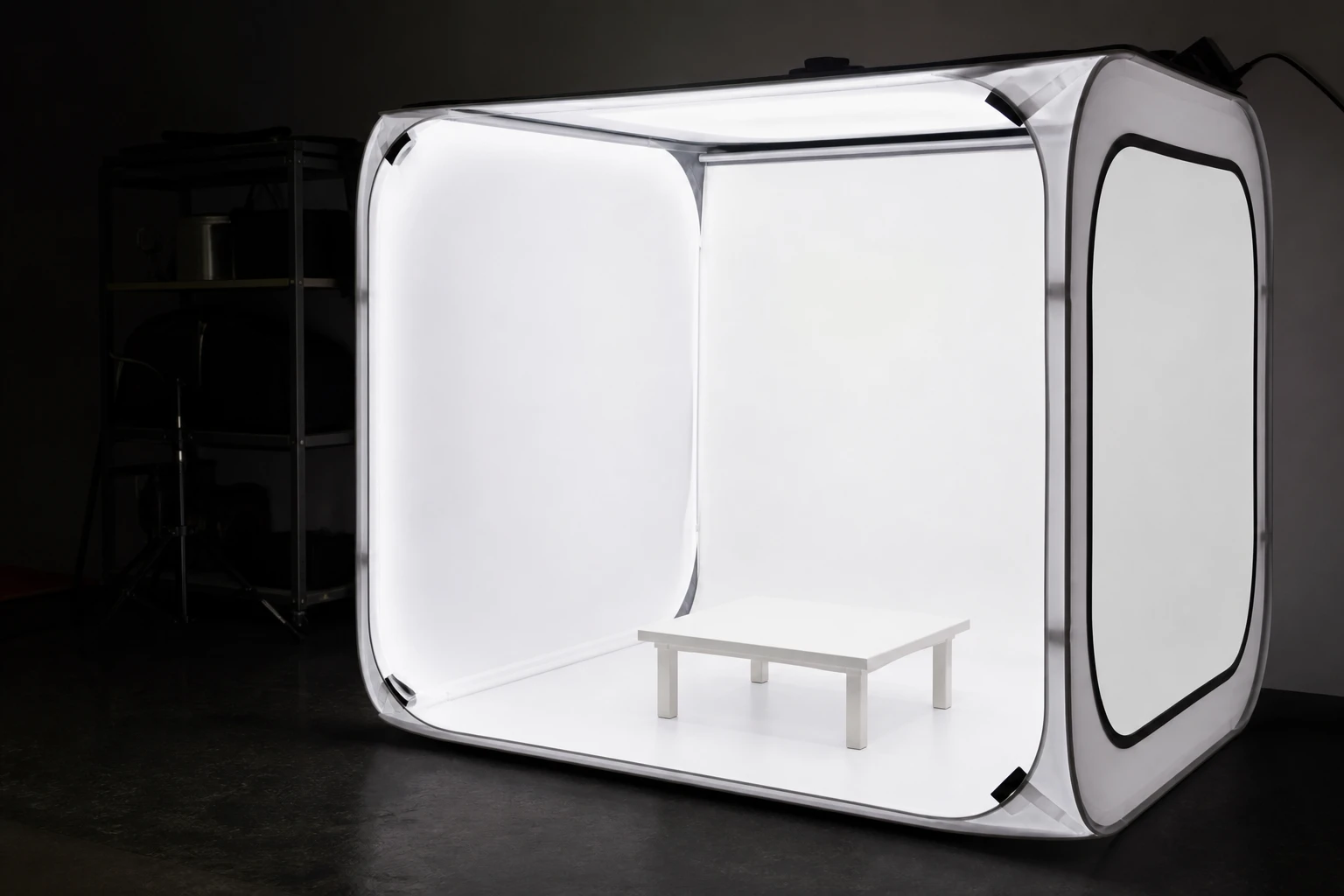
A light tent is a diffusion enclosure — fabric or plastic cube or cylinder — that surrounds small products with even soft illumination from lights placed outside the tent walls. Jewelry, watches, and glossy cosmetics photograph inside tents because scattered diffusion kills harsh specular hotspots while preserving metal sparkle when paired with mirror cards. Macro product work uses tents at tabletop scale; camera shoots through front slit or open panel.
Photographers choose light tent when product reflects environment chaotically — silver ring reflecting studio clutter becomes soft gray gradient in tent. Tent simplifies beginner product path before open set black card sculpting. Limitation: tent flattens contrast — jewelry sometimes needs tent plus directed mirror card sparkle outside pure wrap.
Light tent differs from light box product — colloquial overlap — tent surrounds product; open softbox only front keys. Differs from acrylic sweep tabletop — tent controls all azimuth reflections; sweep only floor and backdrop. Mirror cards inside tent aim specular on stone facets — tent provides base diffusion, cards add directed punch.
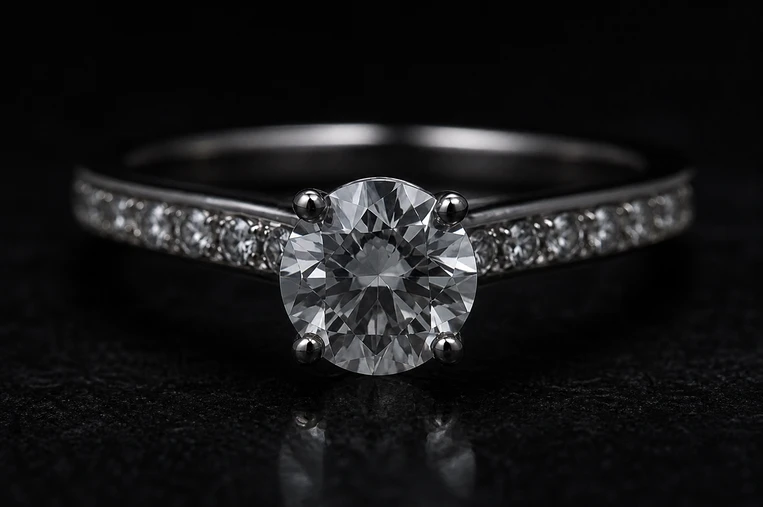
Jewelry clients want sparkle on stone without mirror images of the camera in the band — tent solves environment clutter; mirror cards restore controlled fire on facets the tent alone dulls. Watches with curved crystal benefit from tent base plus single mirror card at six o'clock on dial edge — card adds highlight tick without rectangular softbox reflection in crystal. Macro magnification reveals dust on matte metal — tent does not fix cleanliness; it fixes lighting geometry.
Scale tent size to product — ring boxes fit small cube tents; multiple pieces need larger tent or separate frames per SKU. White tent interior versus silver-lined tent interior changes metal gradient character — test both if brand look is established.
The tent kills bad reflections — mirror cards bring back the sparkle you still want on stone and metal.
Placement in practice
Product centered tent floor — camera through front flap perpendicular to label or ring top for flat lay overhead. Two lights equal power left and right outside tent walls — symmetry reduces left-right gradient on metal band. Third light top optional for ring top-down sparkle — lower power.
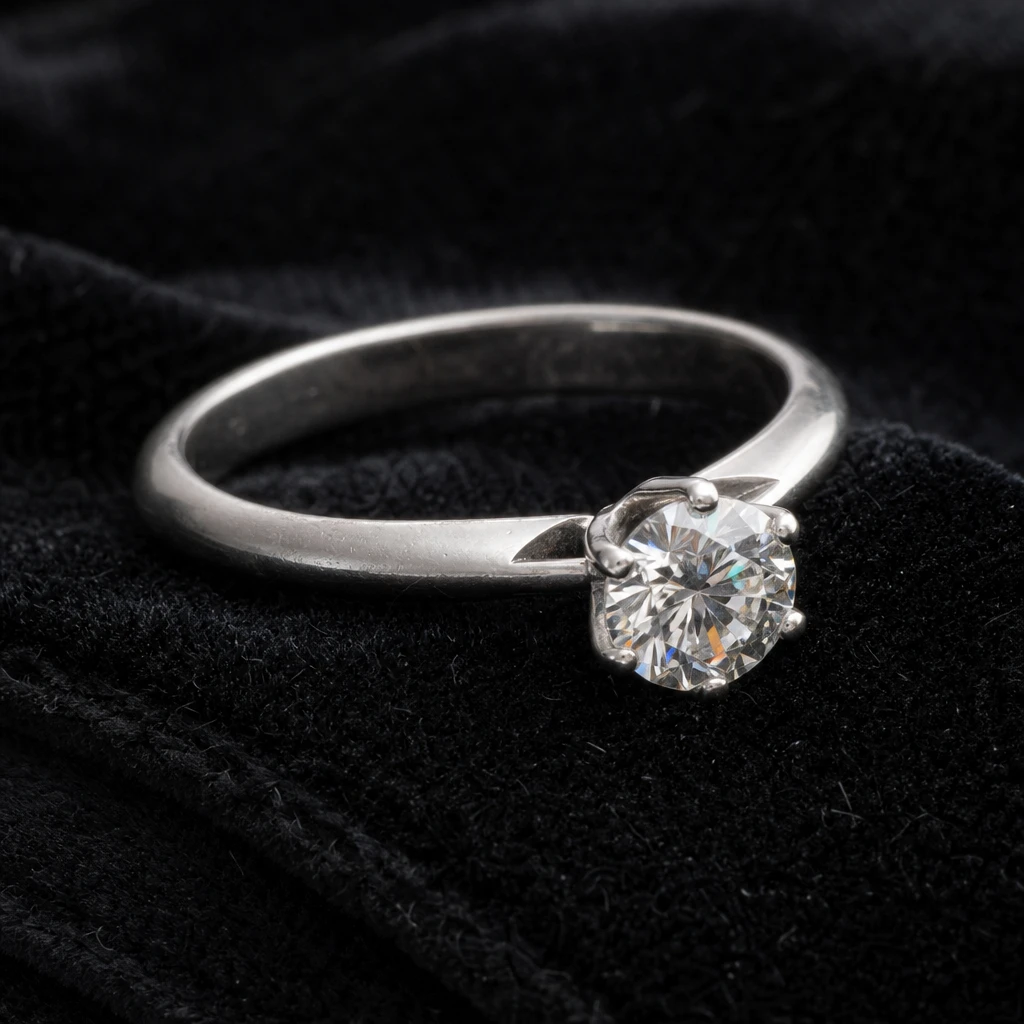
Jewelry ring standing — prop wax or putty hidden — mirror card inch from stone angled to camera reflection path — tent lights soft base, card bright facet. Macro lens close — tripod mandatory — focus rail micro adjust stone plane.
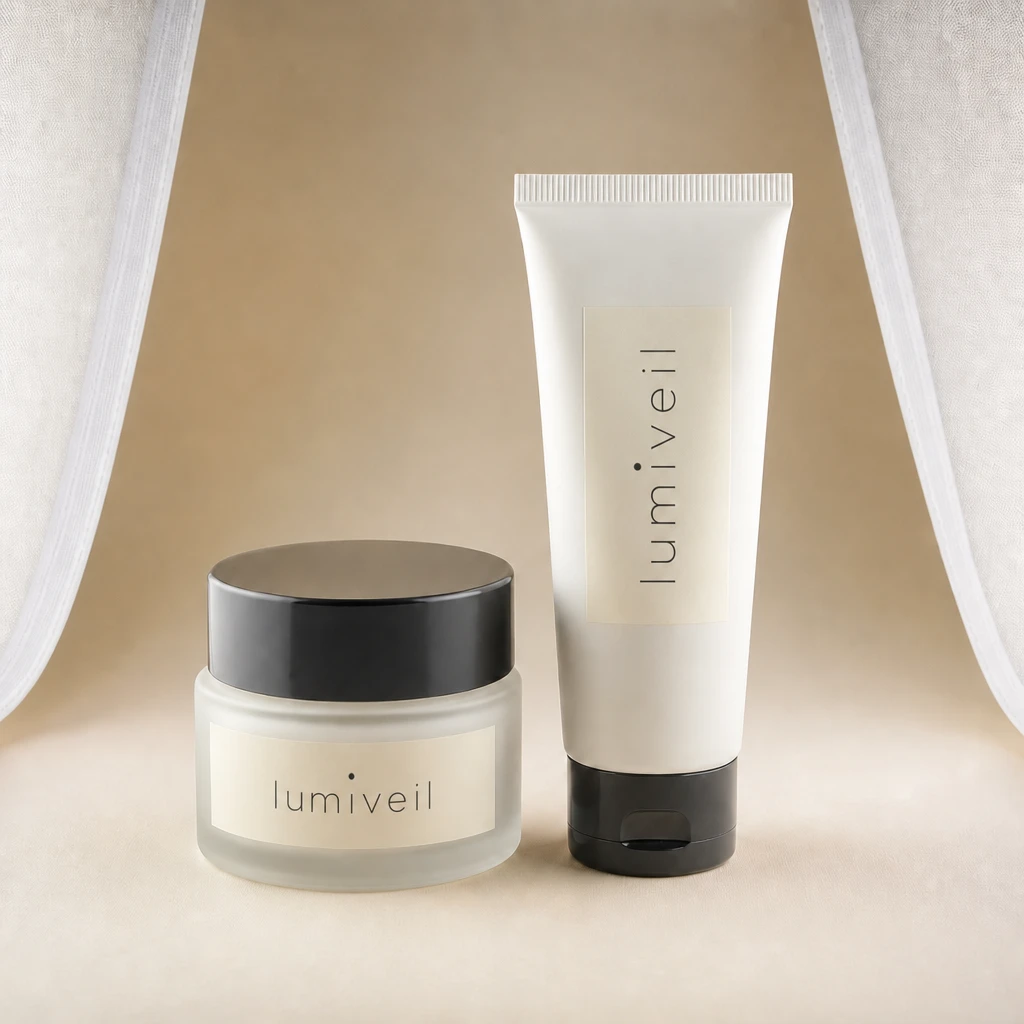
Cosmetic jar in tent — label facing camera slight angle — tent eliminates room reflection on curve — label readable without black card sometimes — glossy cap may still need card.
Flat lay jewelry overhead: camera through top slit if tent design allows, or open-roof tent with diffusion overhead — two side lights plus top LED panel common. Chain necklaces need props to hold curve — wax dots on tent floor — lighting unchanged but geometry prevents tangled reflection chaos. Earrings pair shot: match left-right light balance or one earring reads warmer — meter each side of tent exterior with same power settings.
Focus rail movement between focus-stack frames must not bump tent — tent fabric touch shifts product one millimeter, enough to ruin stack alignment on macro gems.
Distance and power
Lights outside tent two to six inches from wall fabric — too close hot spot on tent wall visible on product; too far weak — even glow on tent interior. Strobe power low — tent accumulates light — meter product not wall — highlight metal clip watch.
Camera distance macro — depth of field millimeters — f/11 to f/16 common — light power or ISO rises — LED continuous easier focus preview than strobe macro for some.
Mirror card distance to stone — closer brighter smaller sparkle — farther dimmer wider — millimeter tweak tethered loop.
LED continuous lights outside tent allow live focus peaking on macro rails — strobe still works with modeling light if bright enough. Strobe power start low — tent multiplies — clip watch dial numerals easily. Bracket exposure one-third stop if metal dynamic range tight — merge only if client allows HDR metal look.
Long macro lenses need shutter remote — tent flap vibration from hand entering frame shakes product. Cable release or interval timer for focus stacks. ISO tradeoff: f/16 for full ring sharpness may need ISO 400 on LED — noise preferable to soft facets from f/8 single plane.
If one side of the ring is gray and the other white, the outside lights are not matched — balance power before you tweak the product.
Fill, spill, and control
Tent is self-contained spill control — minimal room interaction — black cloth over tent exterior holes reduces leak if fabric thin. Outside room lights off — tent interior only — stray desk lamp tints diffusion.
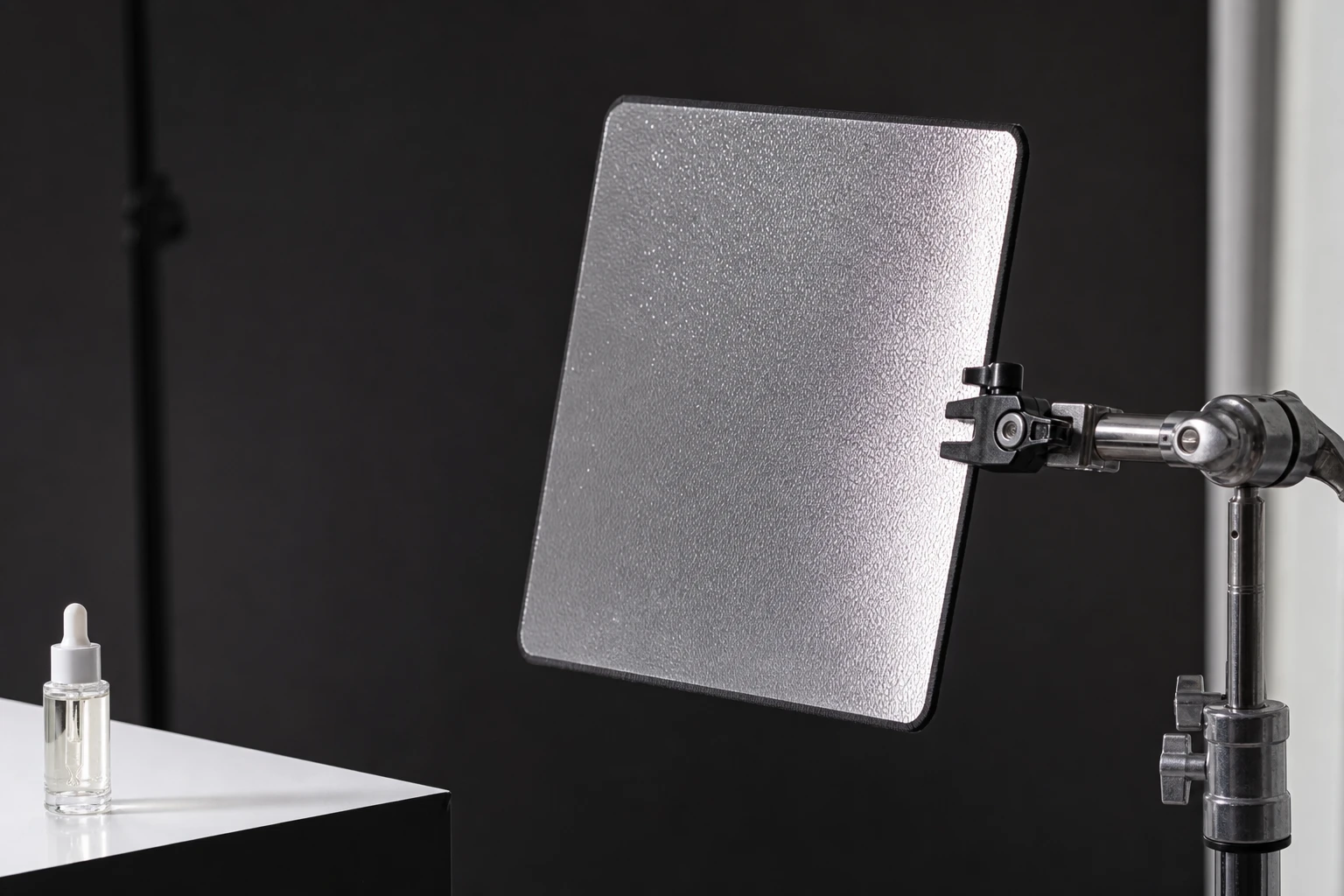
Mirror cards and black cards inside tent — card black kills reflection patch white mirror adds — same geometry as open set smaller scale. Opening tent flap too wide sees room in metal reflection — narrow flap or shoot through hole.
Polarizer on lens does little on polished metal — it helps most on gemstone facets (dielectric) and dielectric glare; to kill metal reflections change reflection geometry (black cards, tent angle) or use cross-polarization (polarizing film on the lights plus the CPL) — rotate watch band test — some gems change appearance polarized — client caution.
Black cards inside tent beside stone kill unwanted double sparkle when mirror card overpowers — same absorption logic as open set at miniature scale. Seal tent flaps with clips — light leak from window behind you adds gradient band on silver — shoot in dim room. Tent fabric yellows over years — replace when white balance shift visible on gray card frame inside tent.
For catalog rows of SKUs, duplicate exact light positions using marked stands — tent sessions throughput depends on setup repeatability not hero creativity per piece.
What to look for
Metal even without mirror clutter — studio equipment not reflected in band — success tent baseline. Stone facets sparkle at least one card direction — dead flat gem reject unless brief minimal.
Label on jar inside tent readable all text — rotation verify — color neutral gray card reference frame.
Dust on black metal magnified — clean tent interior lint free — gloves handling.
Focus stack jewelry — each facet sharp if depth needed — light unchanged between stacks.
Common mistakes
Single light one side tent — gradient band on silver bracelet obvious — dual symmetric lights baseline.
Strobe bare close tent wall burns fabric smell — diffuse strobe or move back power down — tent fire risk real.
Macro f/2.8 on ring — one facet sharp rest blur — stop down or focus stack — tent not fix DOF.
Mirror card visible in reflection — card too large or wrong angle — shrink card, adjust angle, crop.
Expectation management: tent alone produces soft commercial metal — high-end jewelry campaigns often combine tent base with single hard mirror kick for hero stone — not cheating, layered control. Video of rotating ring in tent needs continuous LED not strobe — plan modality before build. Cleaning tent interior monthly — oil from hands on diffusion fabric creates uneven glow visible on mirror polish.
Underpowered single LED outside tent produces muddy gray metal — client rejects as "dirty" — add second symmetric source before retouching gray cast out of thousands of frames.
Try it yourself
Walk the setup one light at a time, or dial passes live in the relight studio.