Light sources
Strobes, speedlights, daylight, Fresnels, and practicals — the energy you start with before shaping.
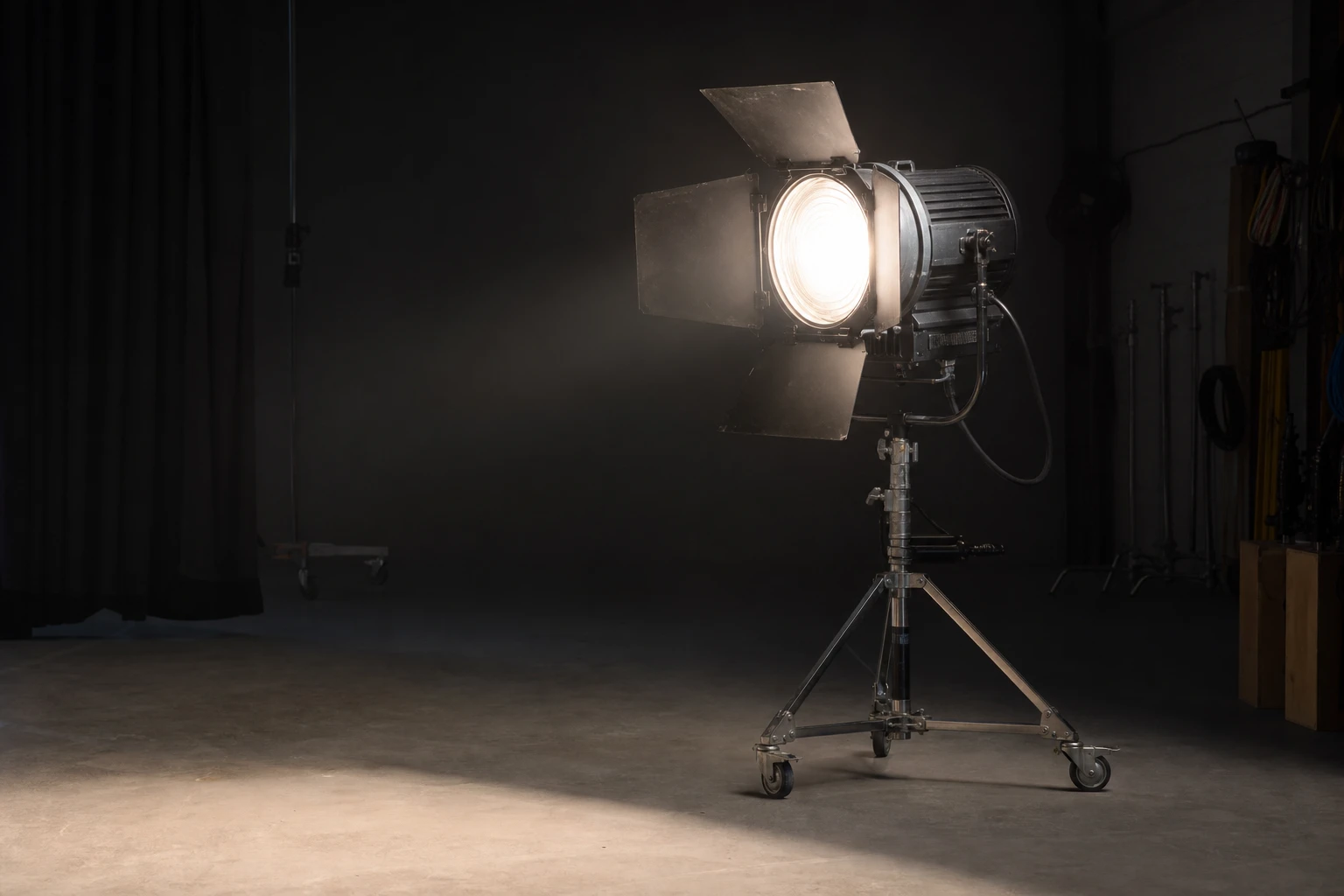
Fresnel
10 setups
A Fresnel lens concentrates flash or continuous light into a focusable beam — the backbone of cinematic “pool of light” portraits and visible shafts in haze.
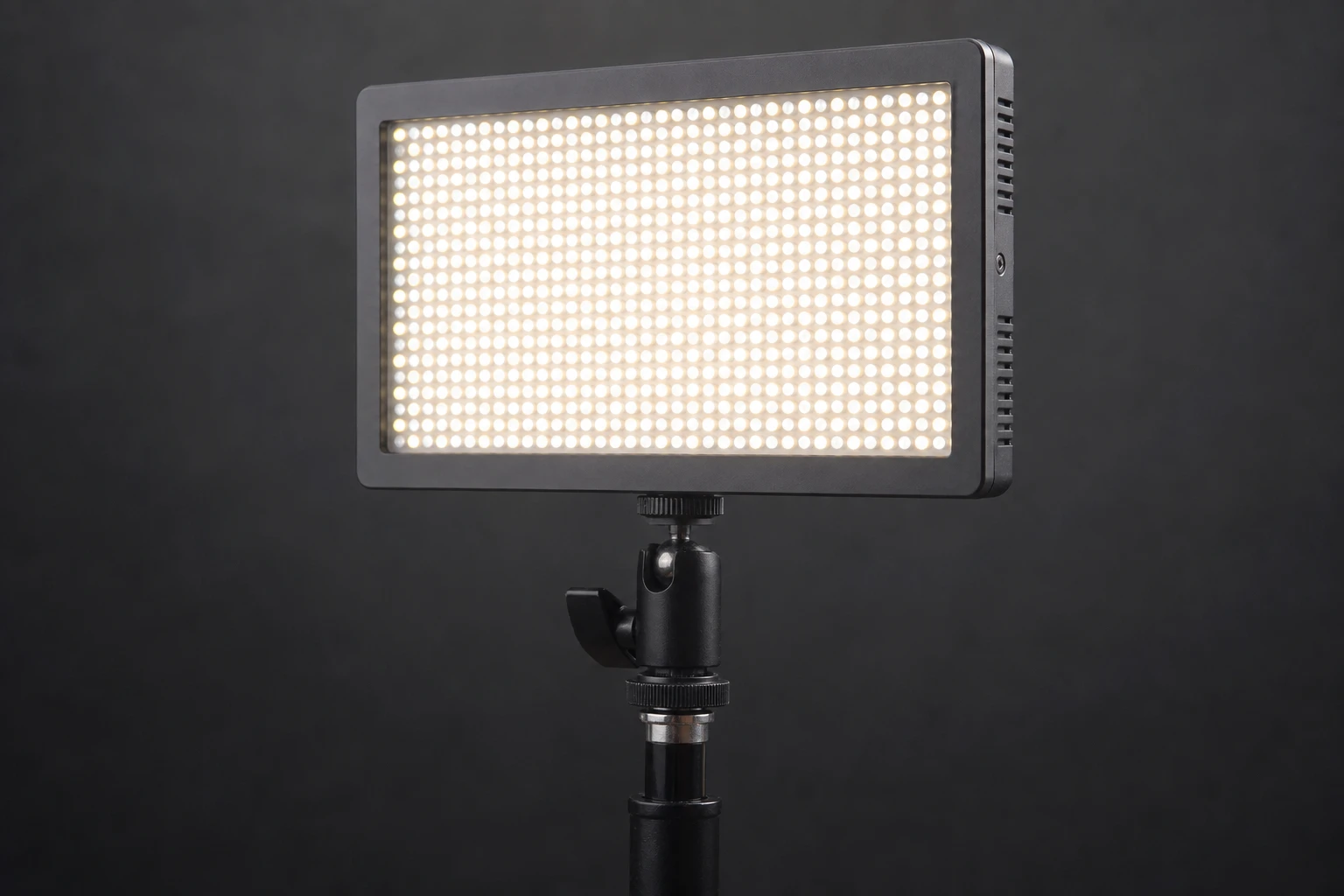
LED panel
9 setups
LED panels give continuous, dimmable light — ideal when you need to see exposure live on video or product tables.
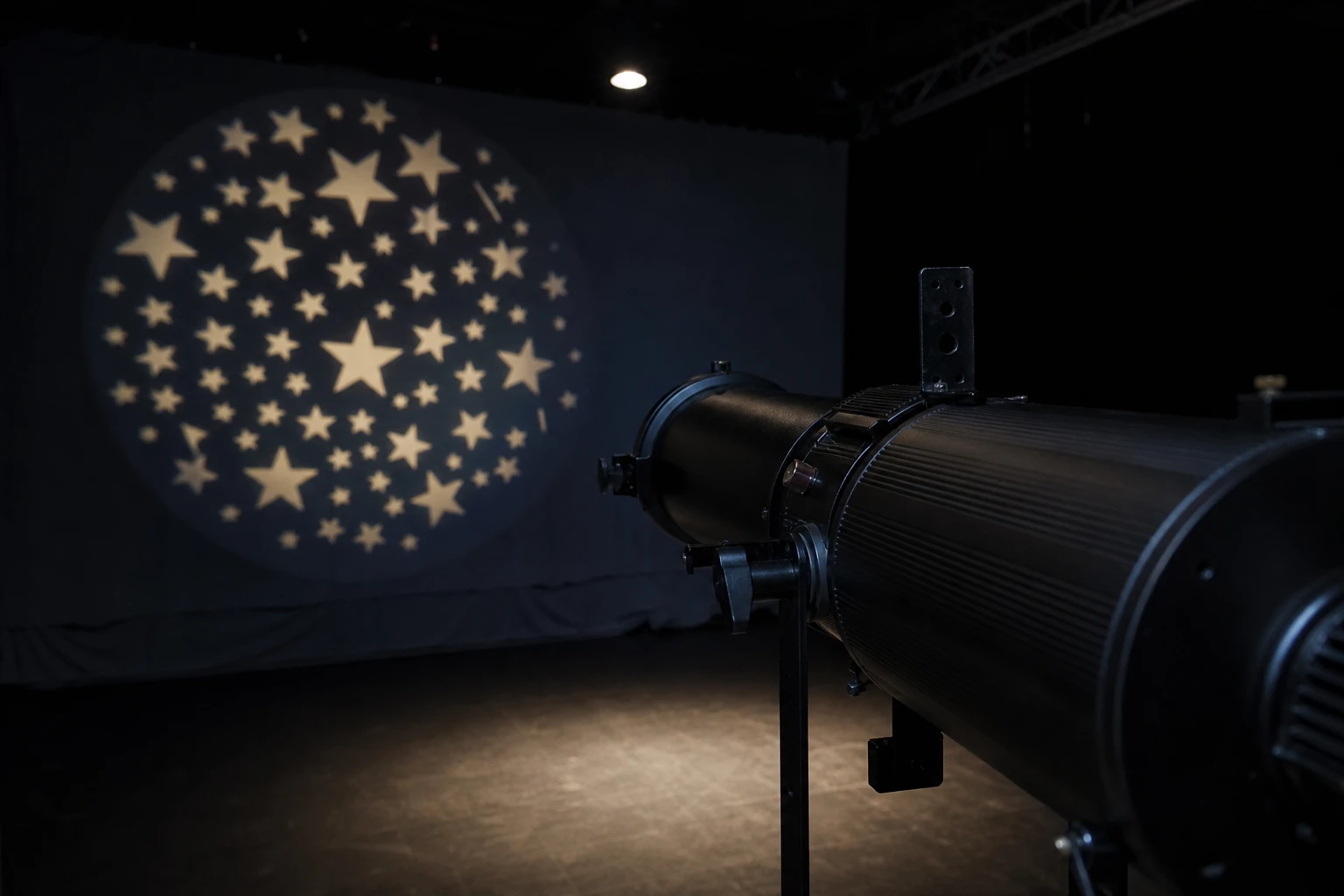
Optical spot / gobo
4 setups
A focusing optical spot with a metal or glass gobo — a cut stencil, not a cinema projector. The template decides where light is missing; it cannot throw a photograph, gradient, or ornament from a laptop.
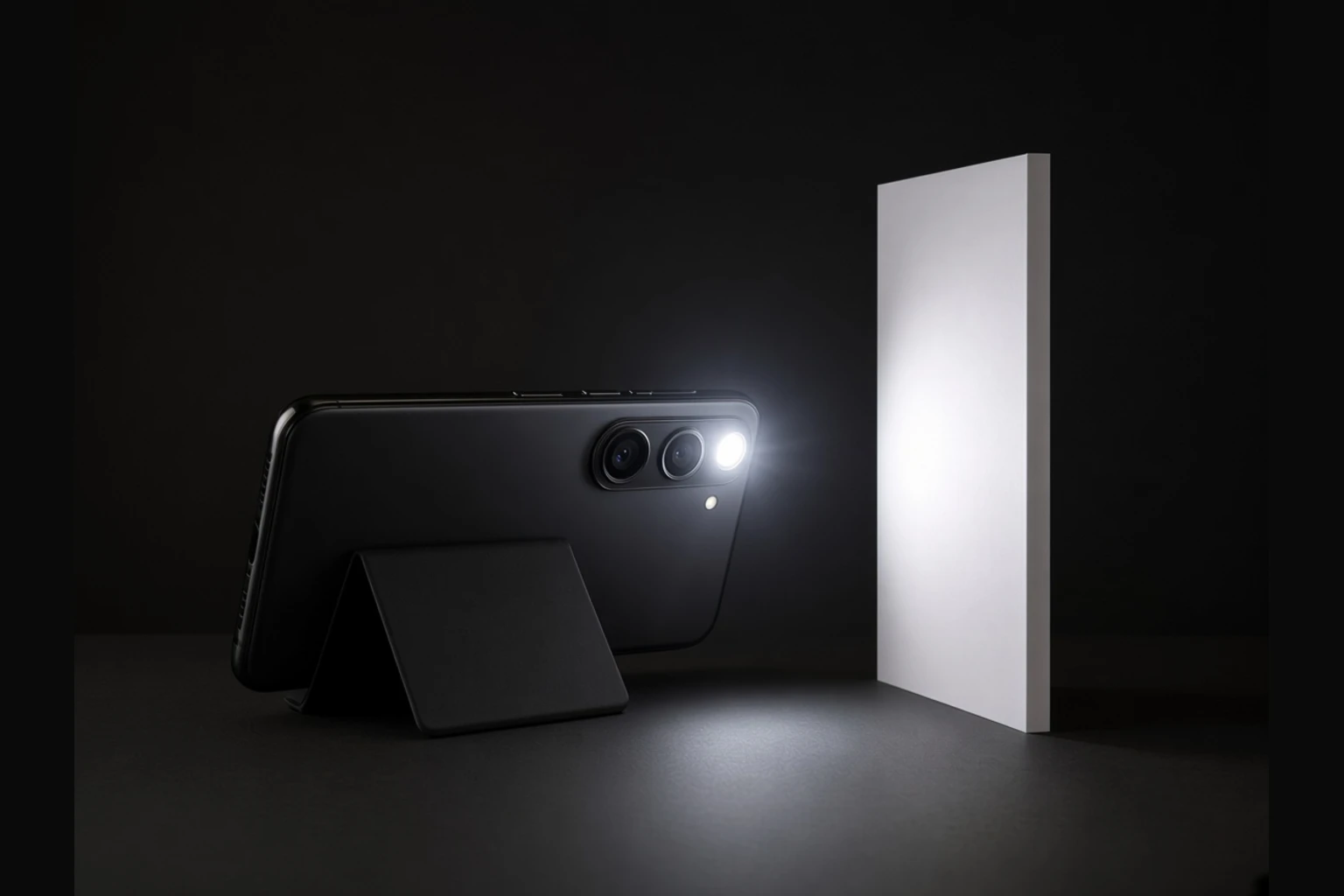
Phone flashlight
1 setup
The rear LED next to the camera lenses is a tiny pocket point source — phone torch mode up close.
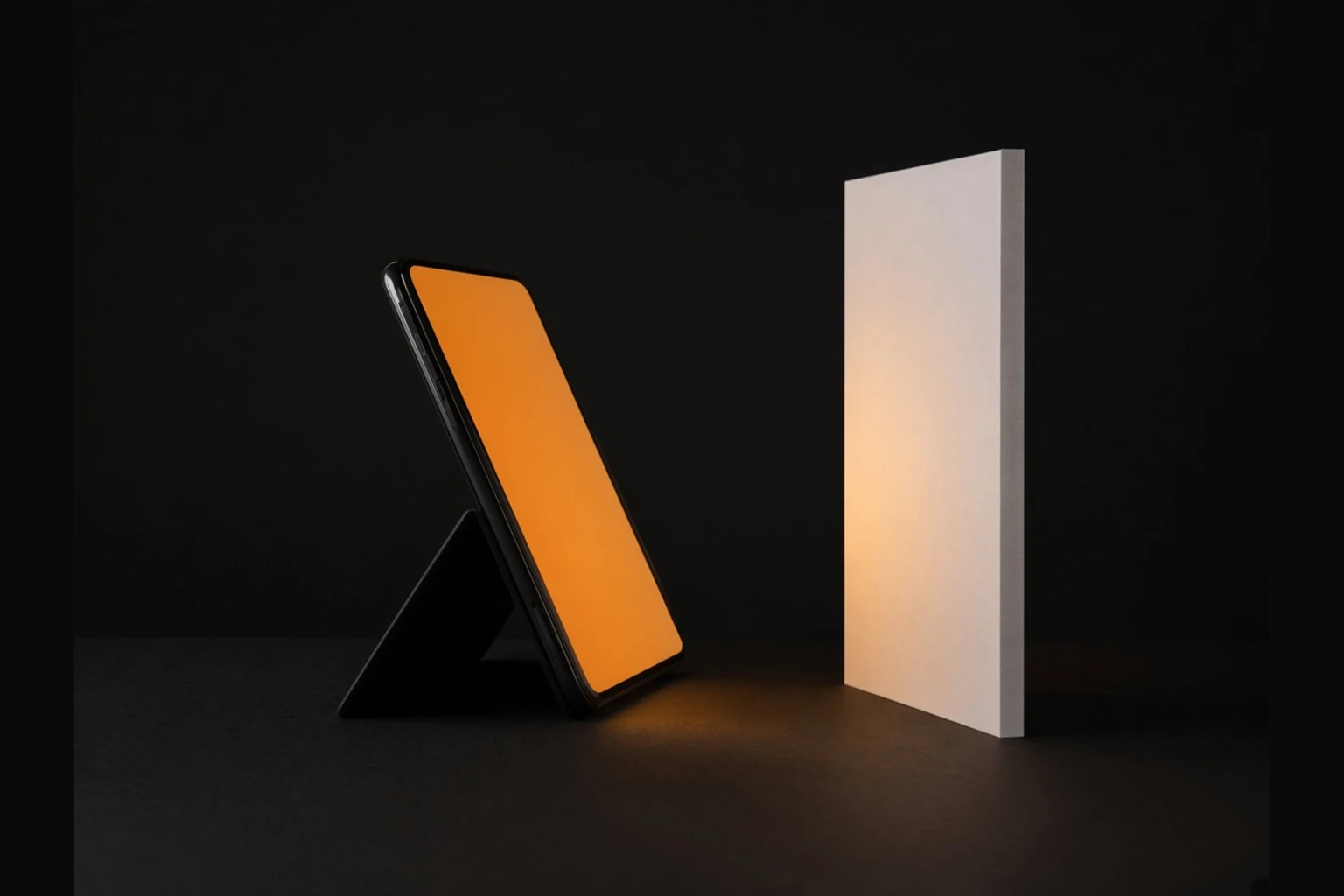
Phone screen
1 setup
A phone screen set to a full-screen solid colour is a pocket soft panel — weak, close, and fully recolourable.
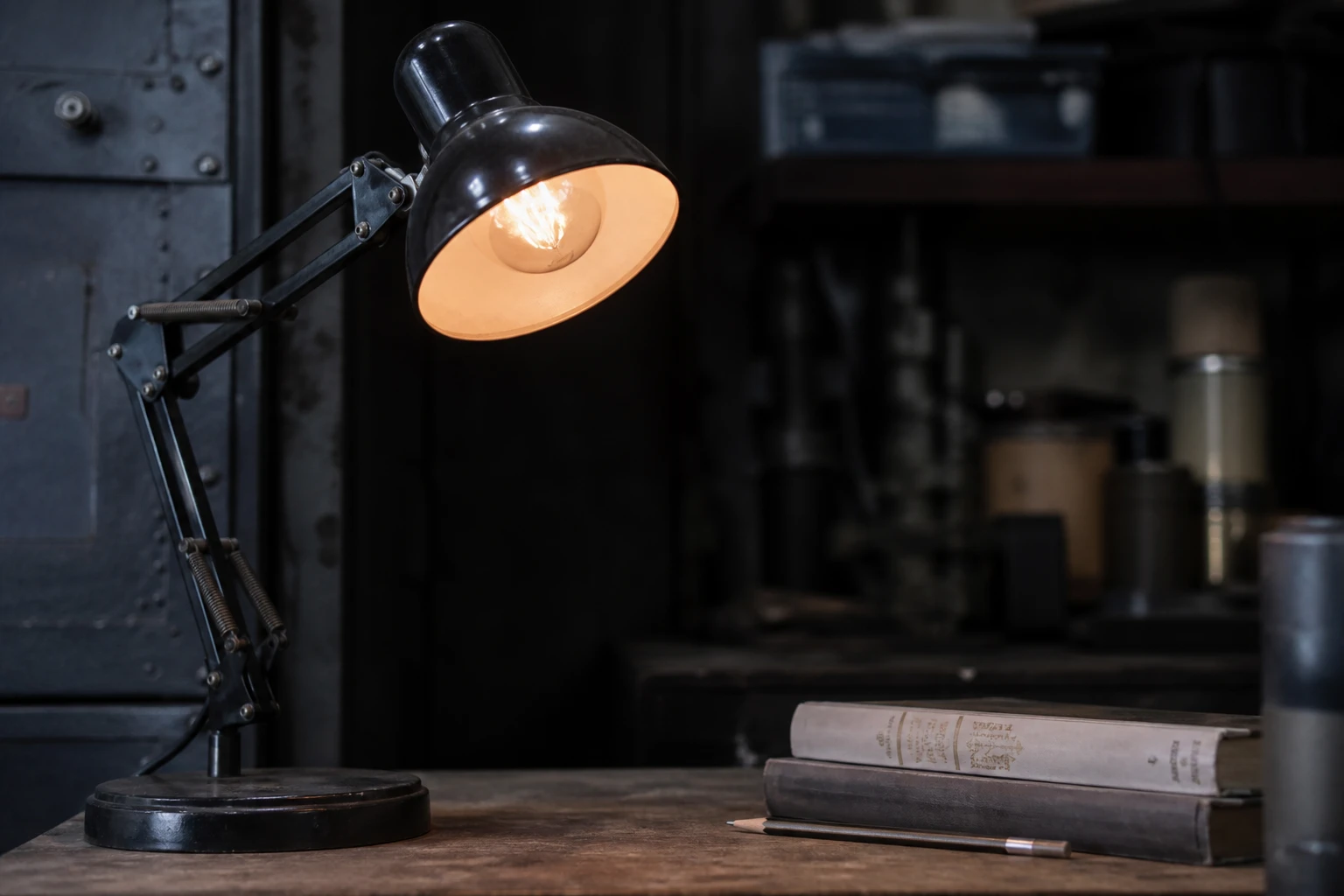
Practical lamp
18 setups
Practical lamps are lights visible in frame — desk lamps, sconces, candles, screens — that motivate why the subject is lit the way they are.
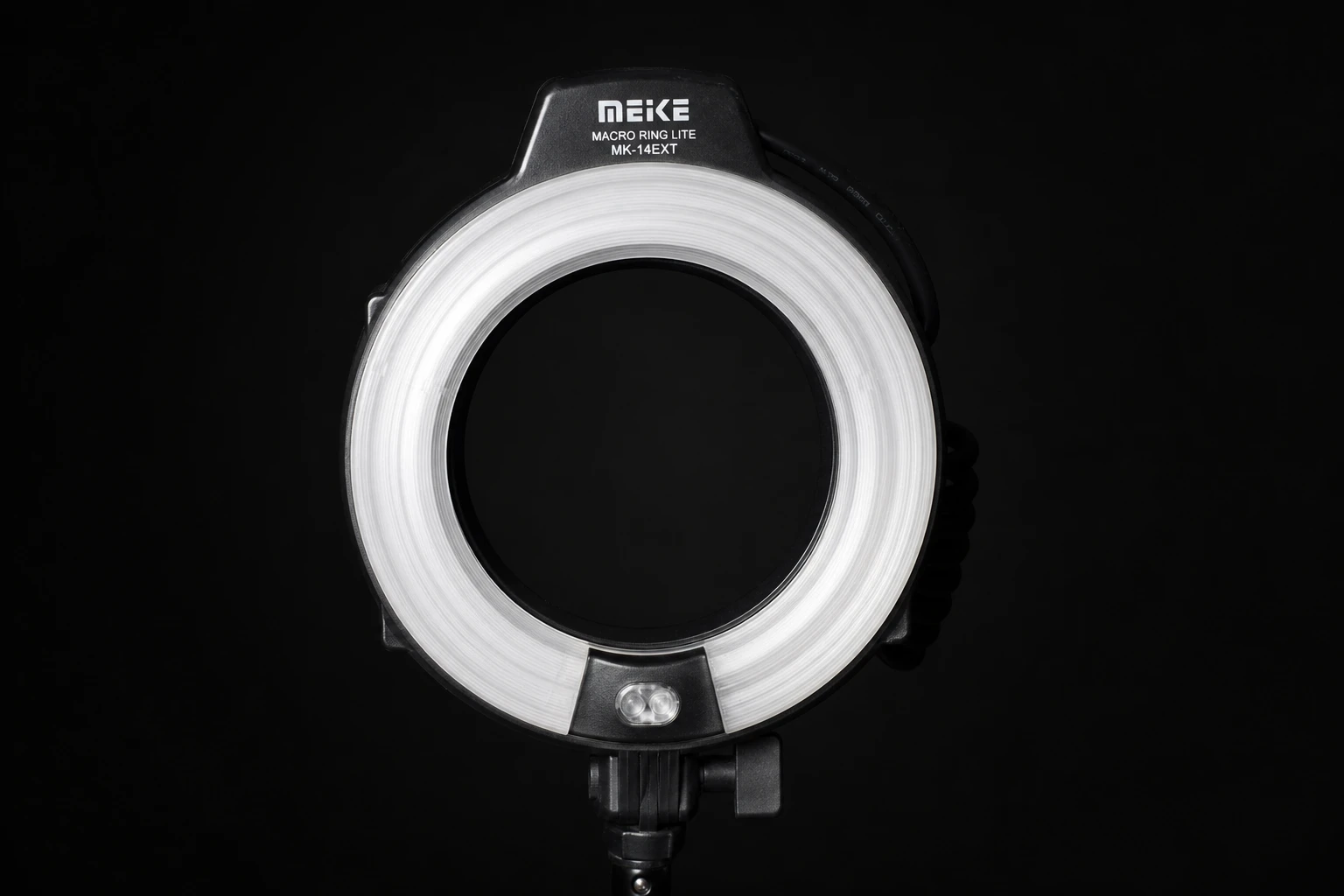
Ring flash
3 setups
Ring flash sits around the lens axis, producing flat, glossy beauty light with a signature ring catchlight in both eyes.
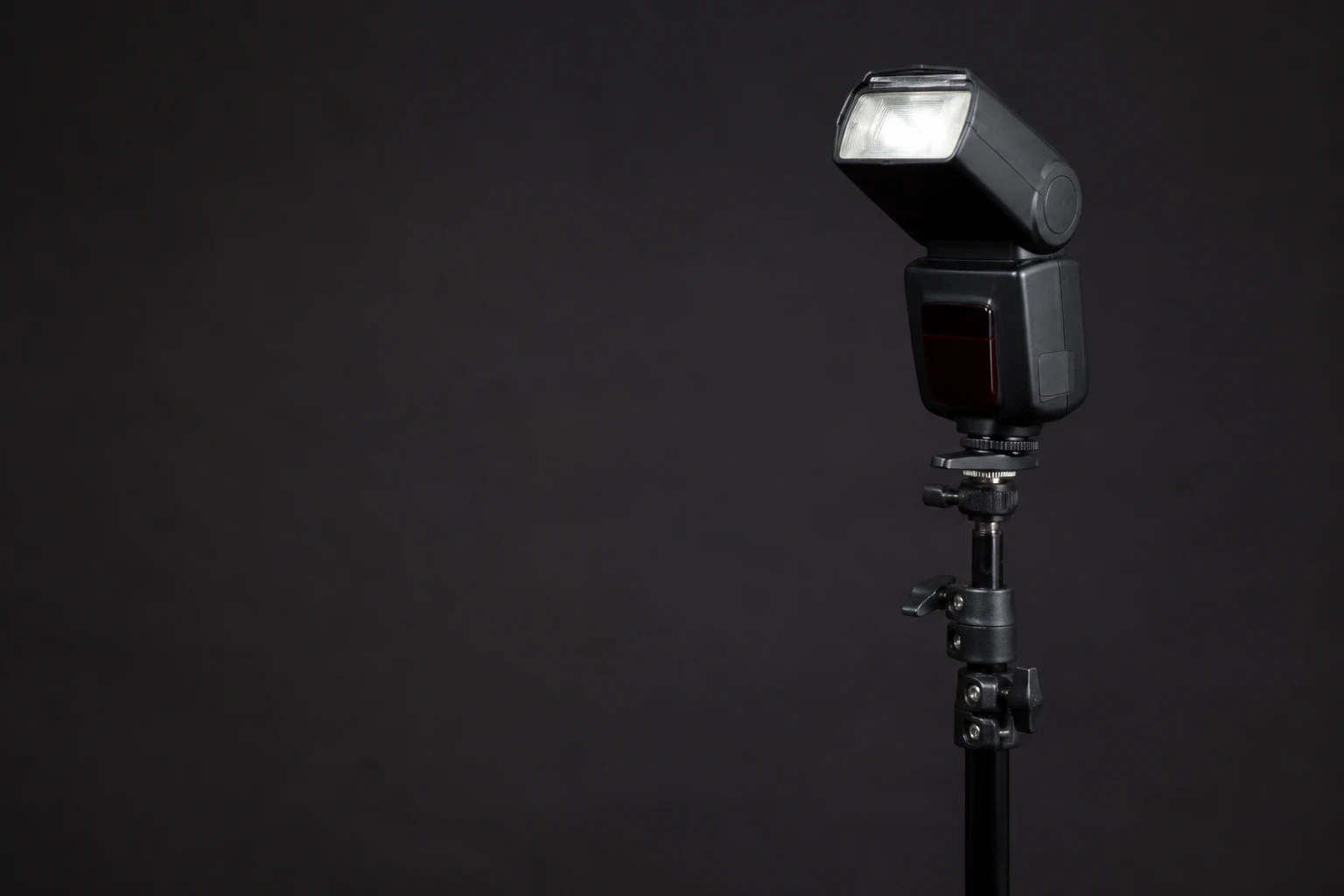
Speedlight
13 setups
Speedlights are small battery flashes you can mount on-camera, bounce off architecture, or hide in small modifiers — the default tool for events, travel, and compact off-camera editorial.
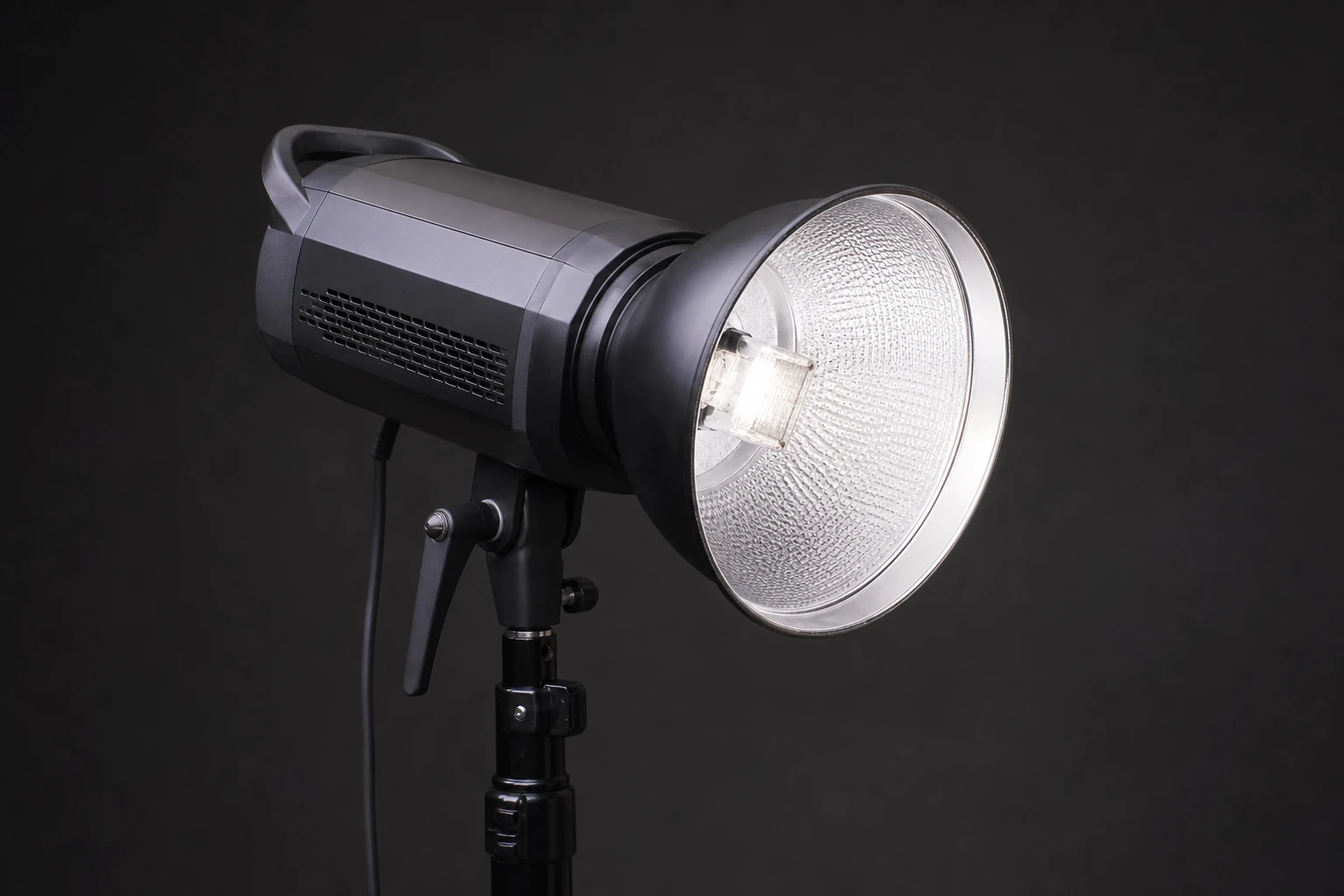
Strobe
15 setups
Mains-powered flash is the workhorse of controlled studio photography: consistent color, fast recycle, and enough power to drive large modifiers without crushing batteries.
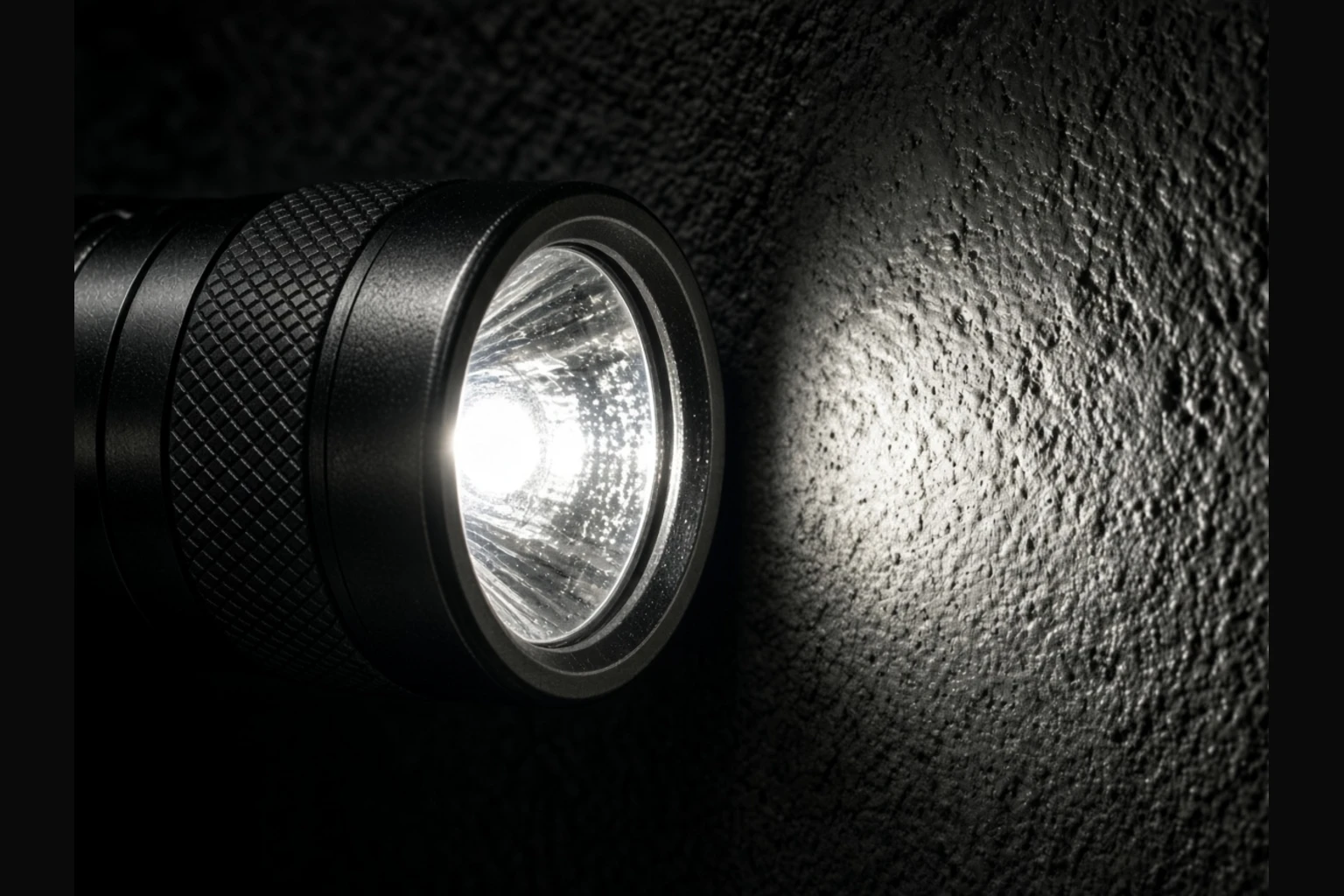
Torch / flashlight
1 setup
A hand-held LED torch with a hot centre and softer spill — the light-painting and movable hard-beam tool.
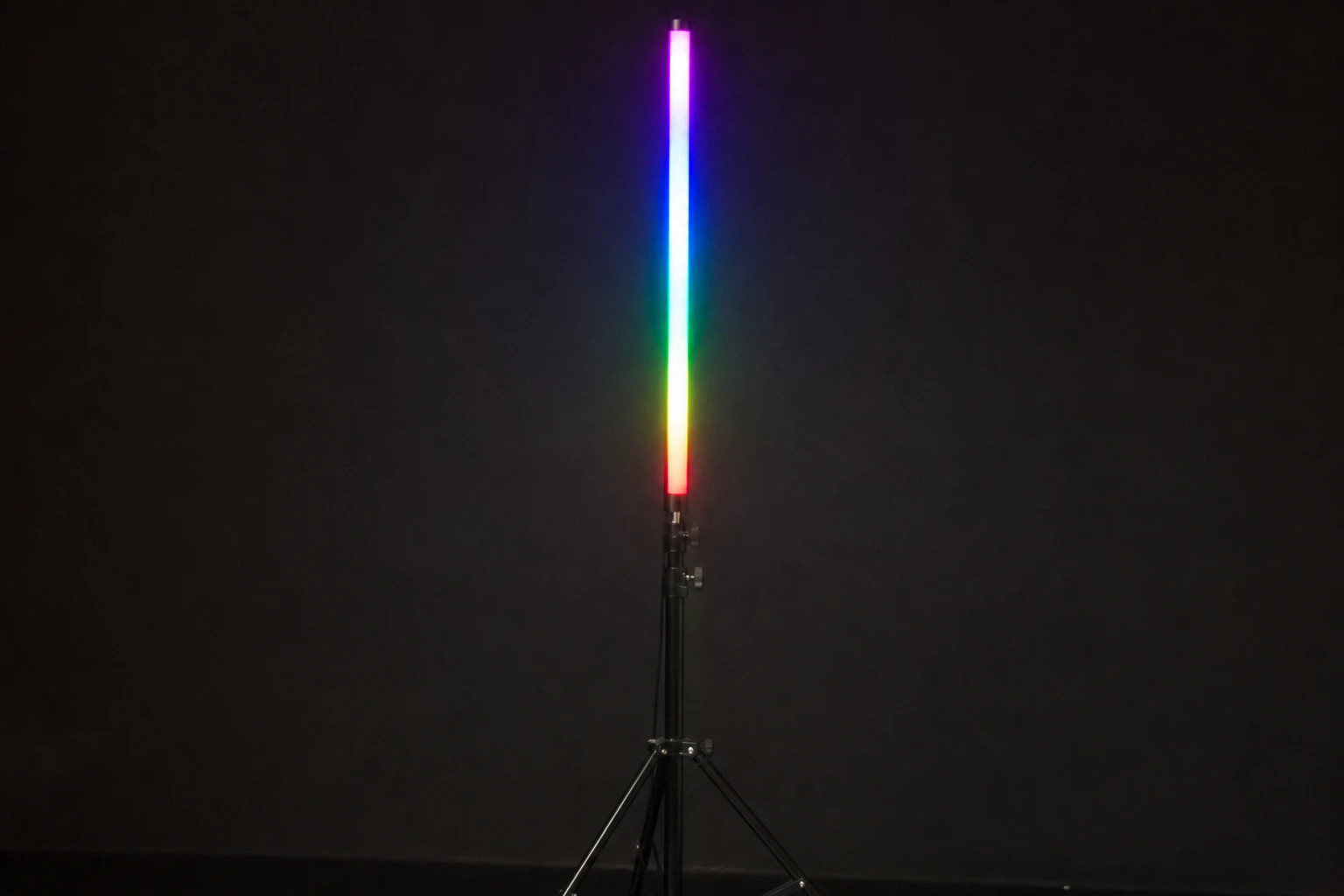
Tube light
6 setups
LED tubes (often RGB) paint edges and environments with line-shaped color — staple of neon-room portraits and music/editorial sets.
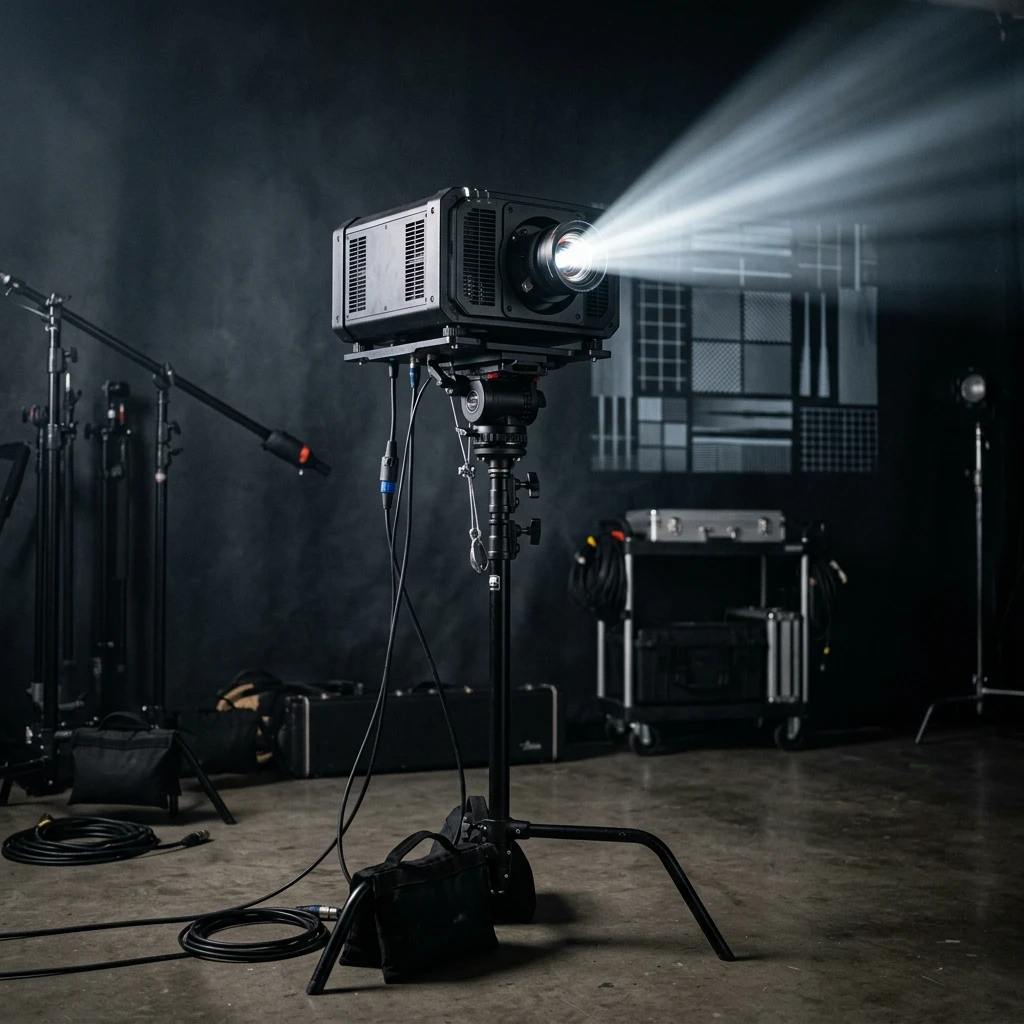
Video projector
1 setup
A digital projector throws a rectangular field of continuous light — plain white for hard key, or a photograph that lands on skin and set at once.
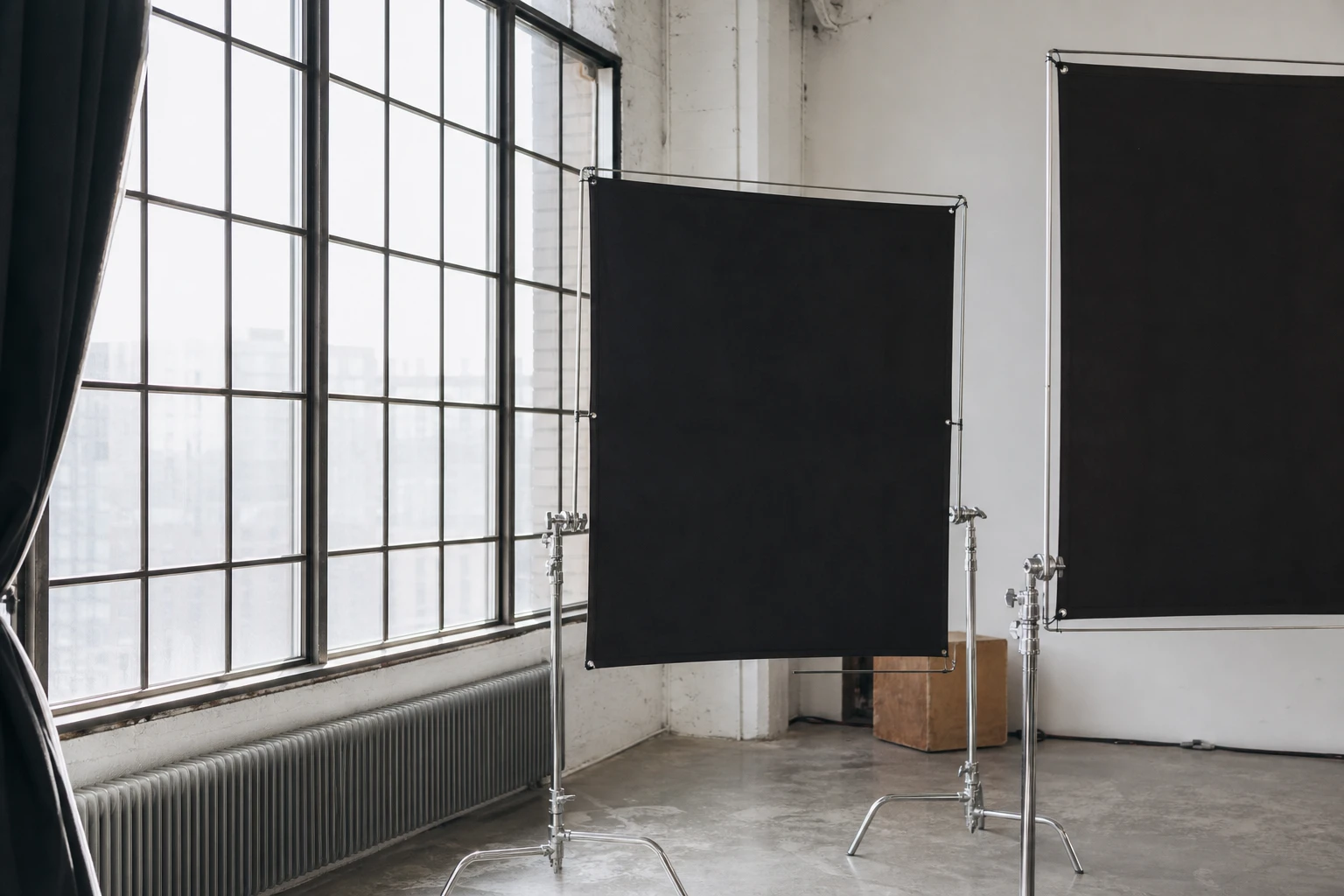
Window / sun
25 setups
Window light and sun are the original large soft sources — free, directional, and highly dependent on time of day, sky, and what you place opposite the shadow side.
Modifiers
Softboxes, snoots, grids, and reflectors — how you turn a small source into the quality and direction you want.
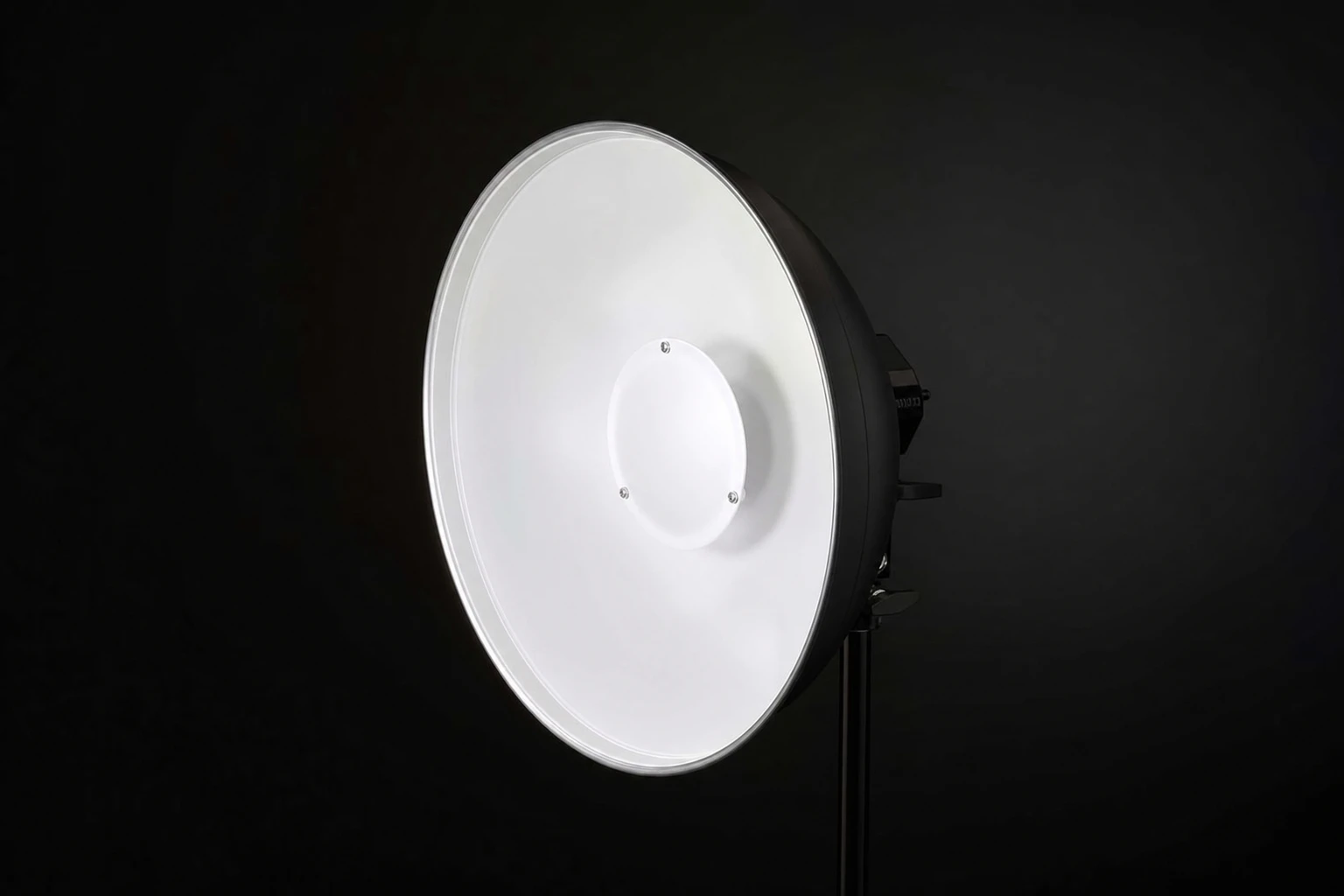
Beauty dish
3 setups
Beauty dishes sit between softbox and bare reflector — semi-hard, punchy, with butterfly shadow under nose when on axis.
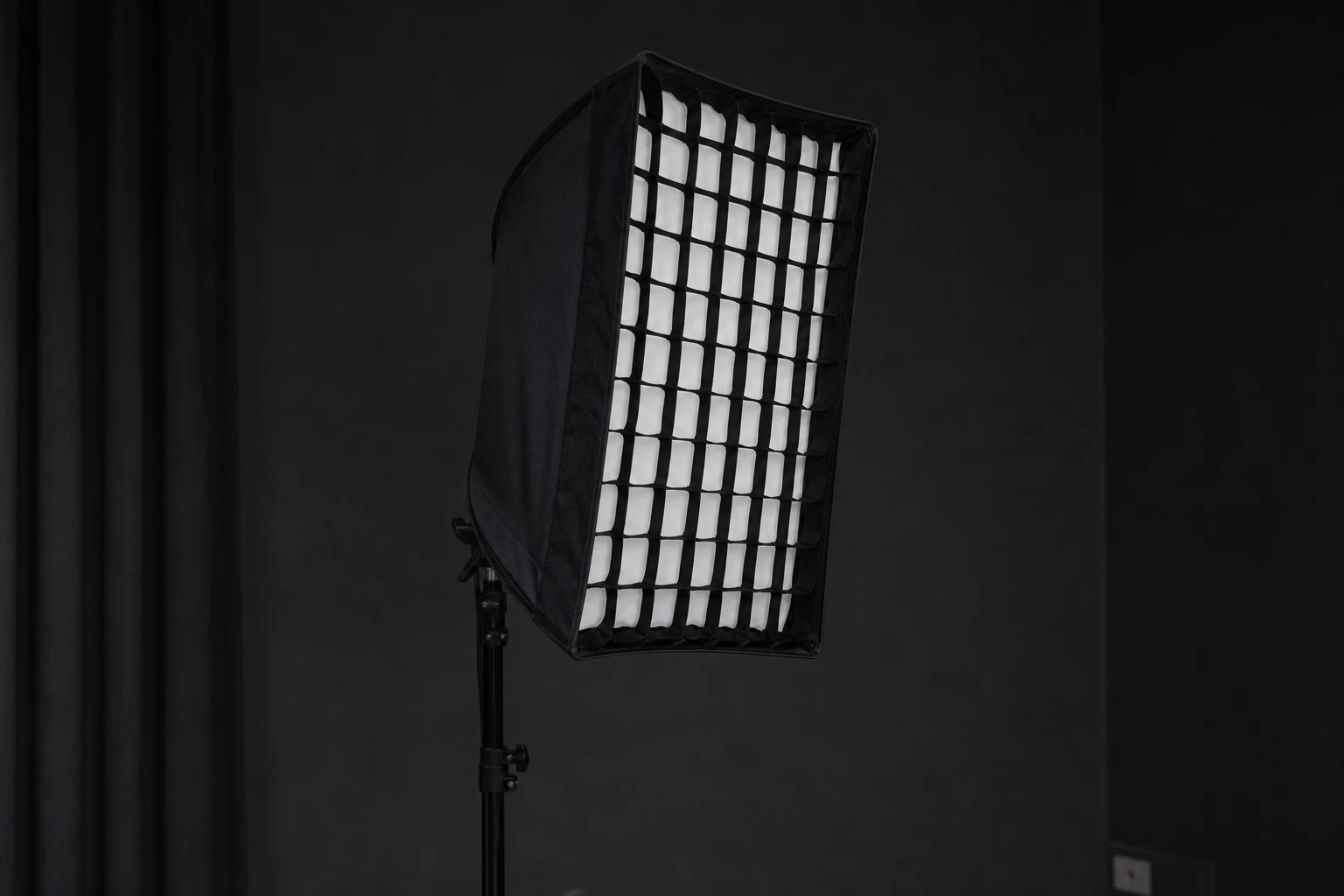
Grid
10 setups
Honeycomb grids snap onto softboxes and strips to kill spill while keeping the modifier’s soft character on-axis.
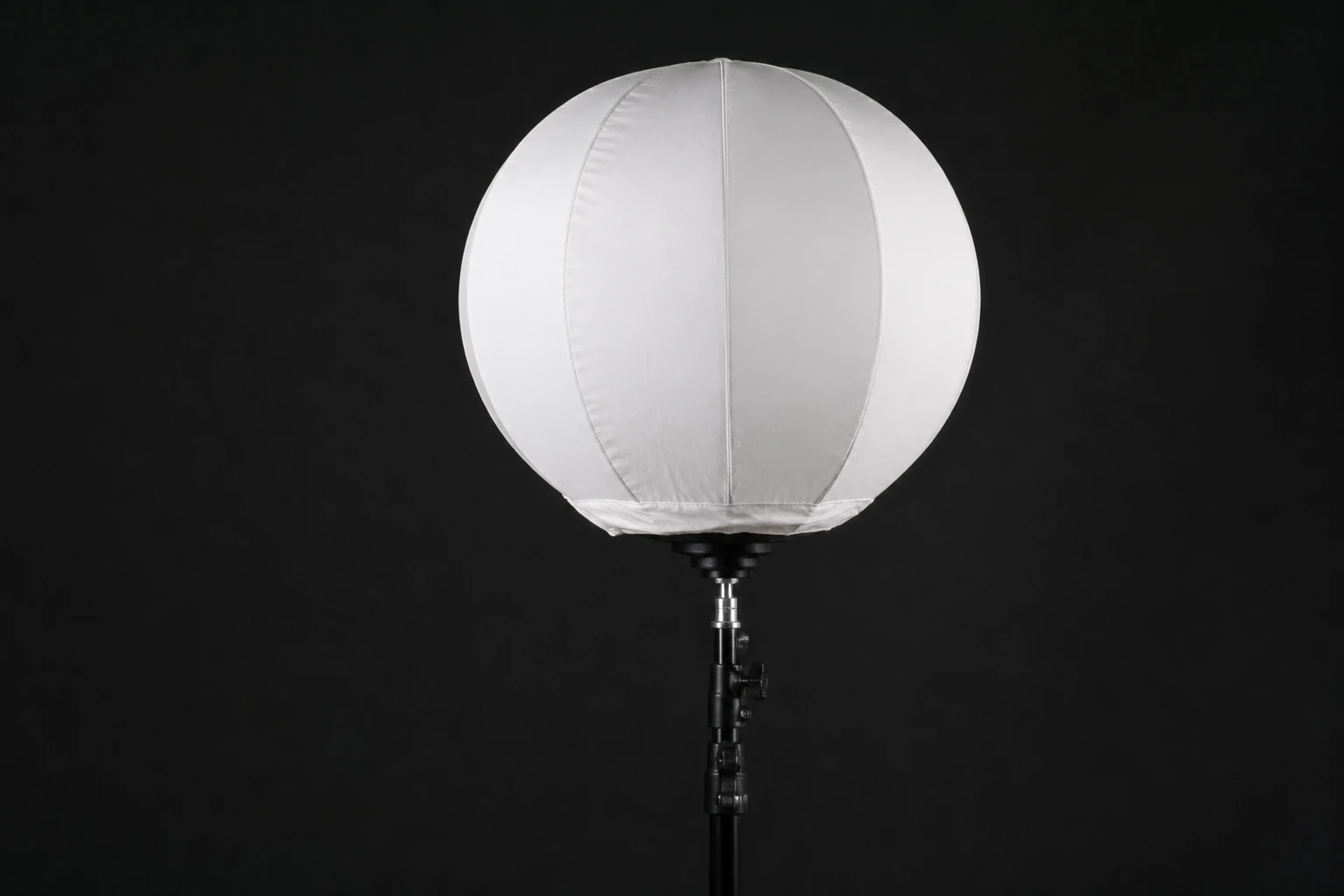
Lantern
5 setups
Lanterns (soft chimneys) radiate light in nearly all directions — overhead room wrap without multiple sources.
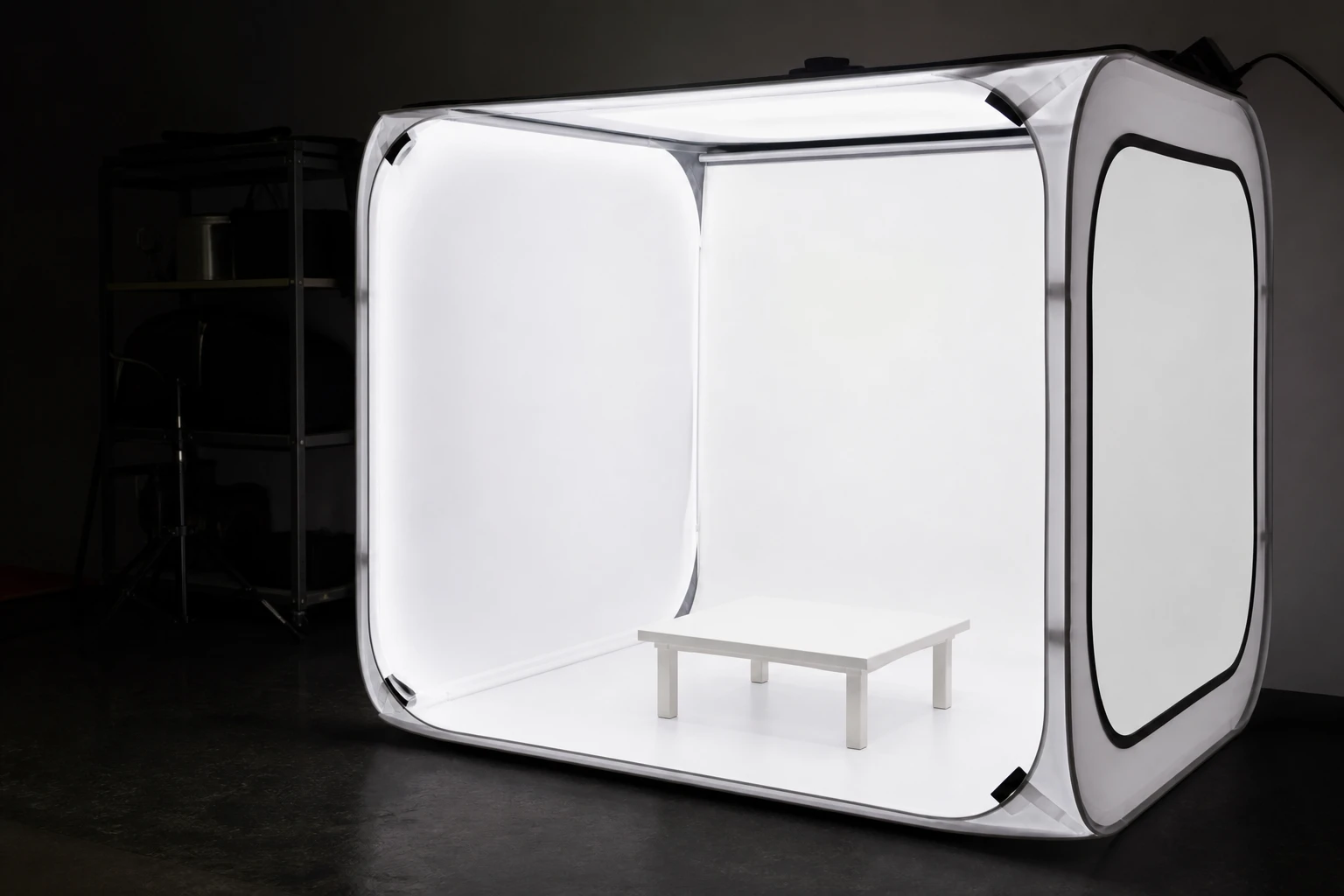
Light tent
3 setups
Light tents surround small products with diffusion — fast even wrap for cosmetics and shiny packaging.
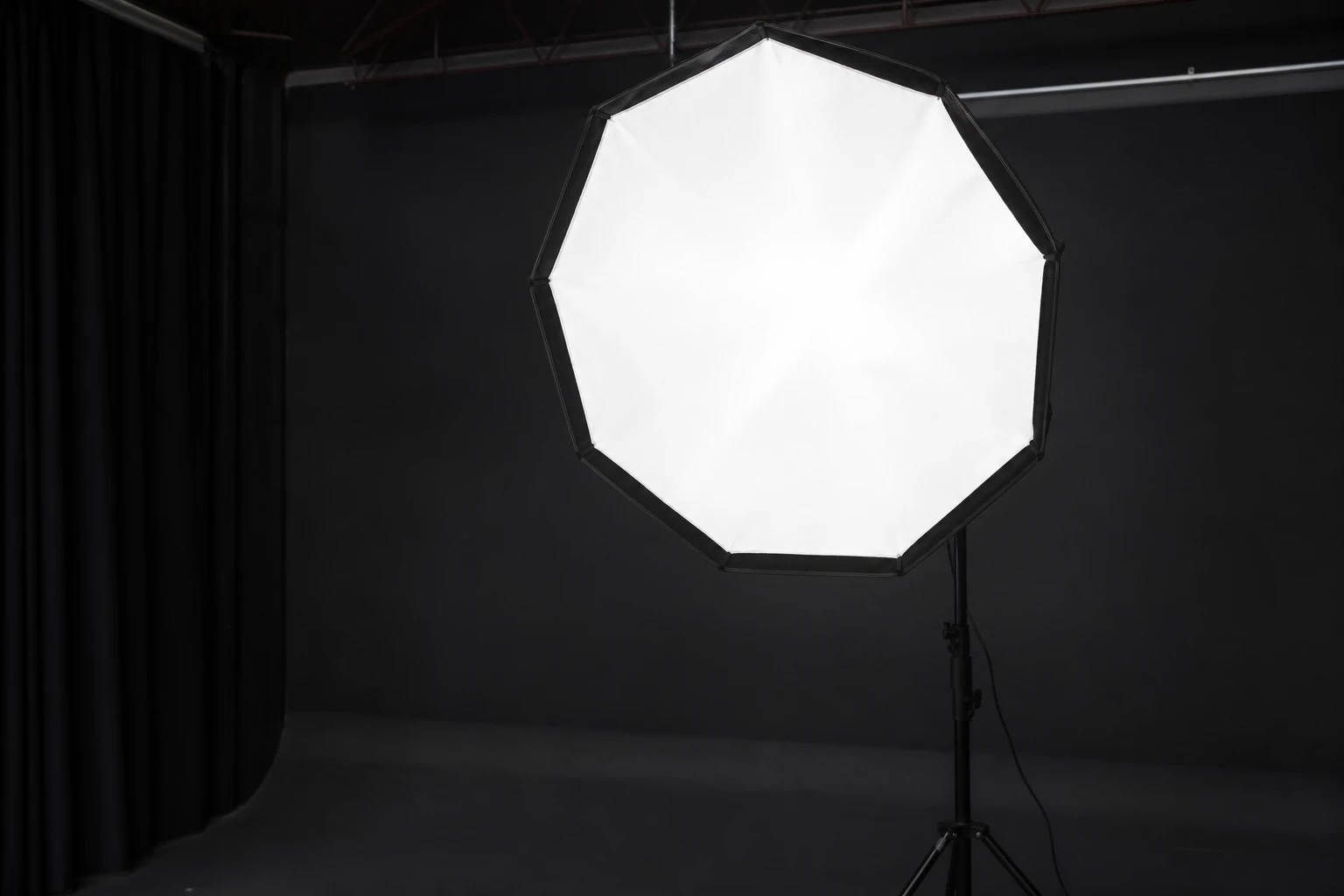
Octabox
5 setups
Octaboxes give rounder, more even wrap than rectangular boxes — friendly skin and octagonal catchlights.
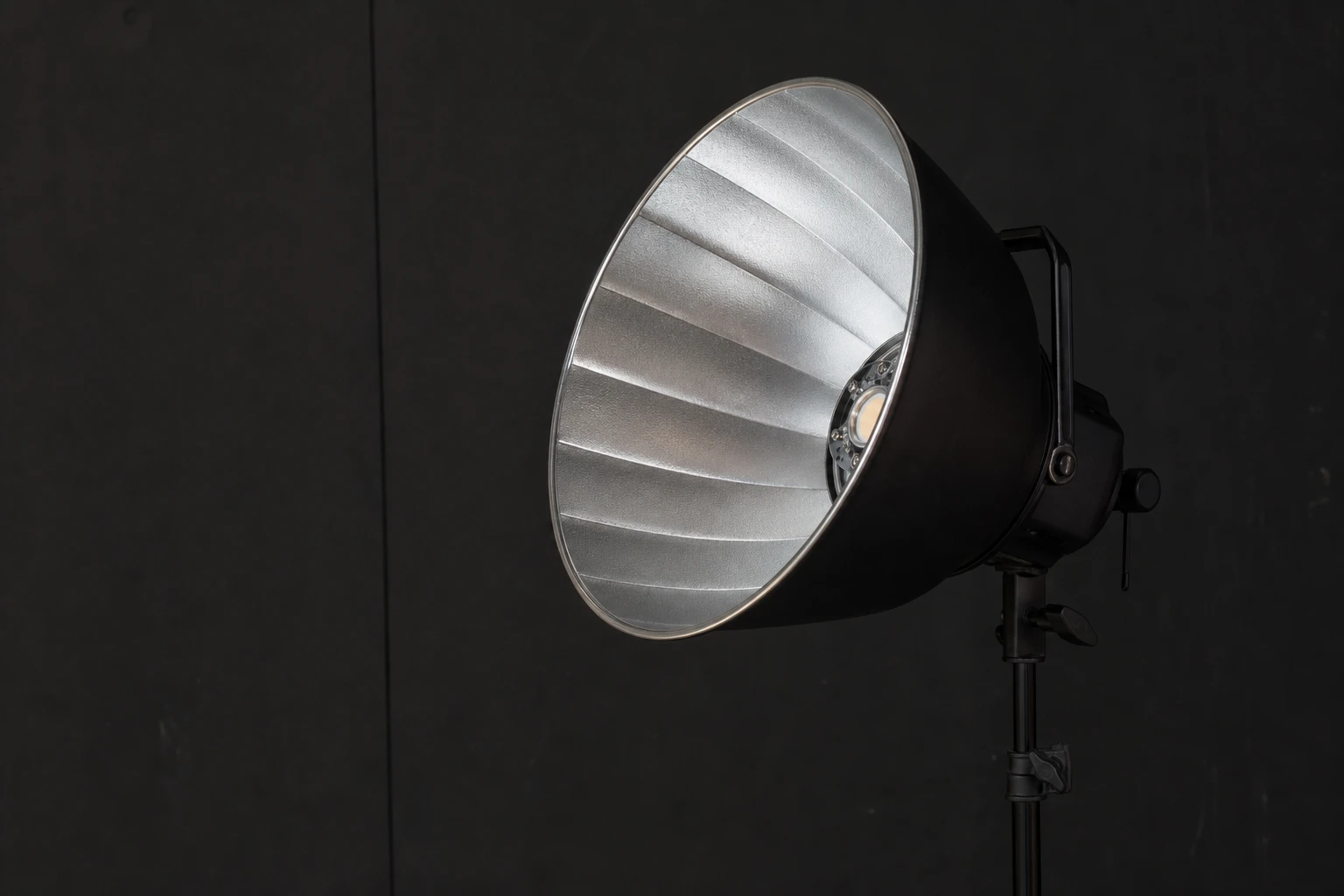
Parabolic softbox
2 setups
Parabolic softboxes (or true parabolic reflectors with diffusion) push more light toward the center axis — brighter cheek highlight with quicker falloff to shadow.
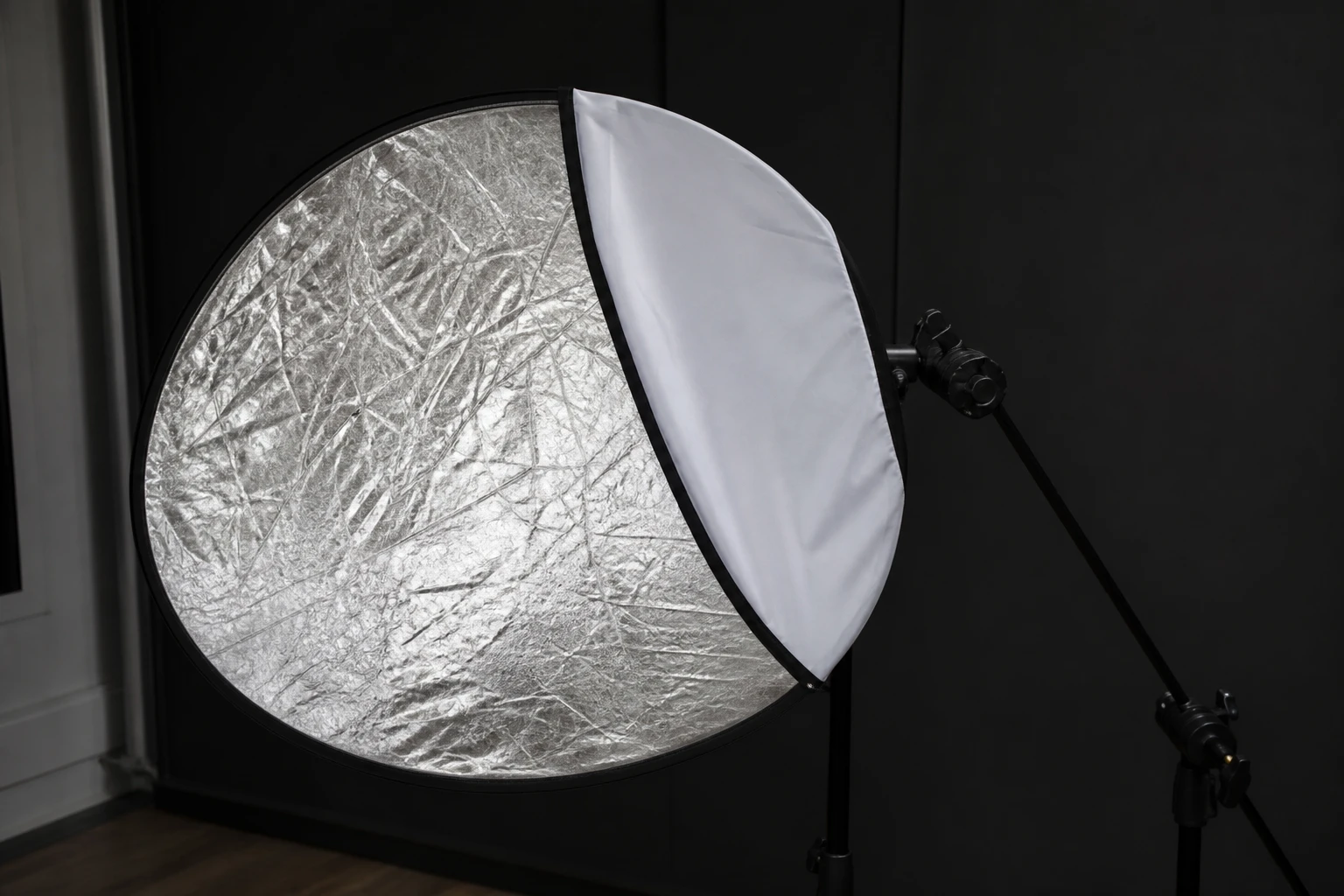
Reflector
29 setups
Reflectors bounce existing light (sun, window, flash spill) back into shadows — no extra power draw.
Scrim / diffusion
11 setups
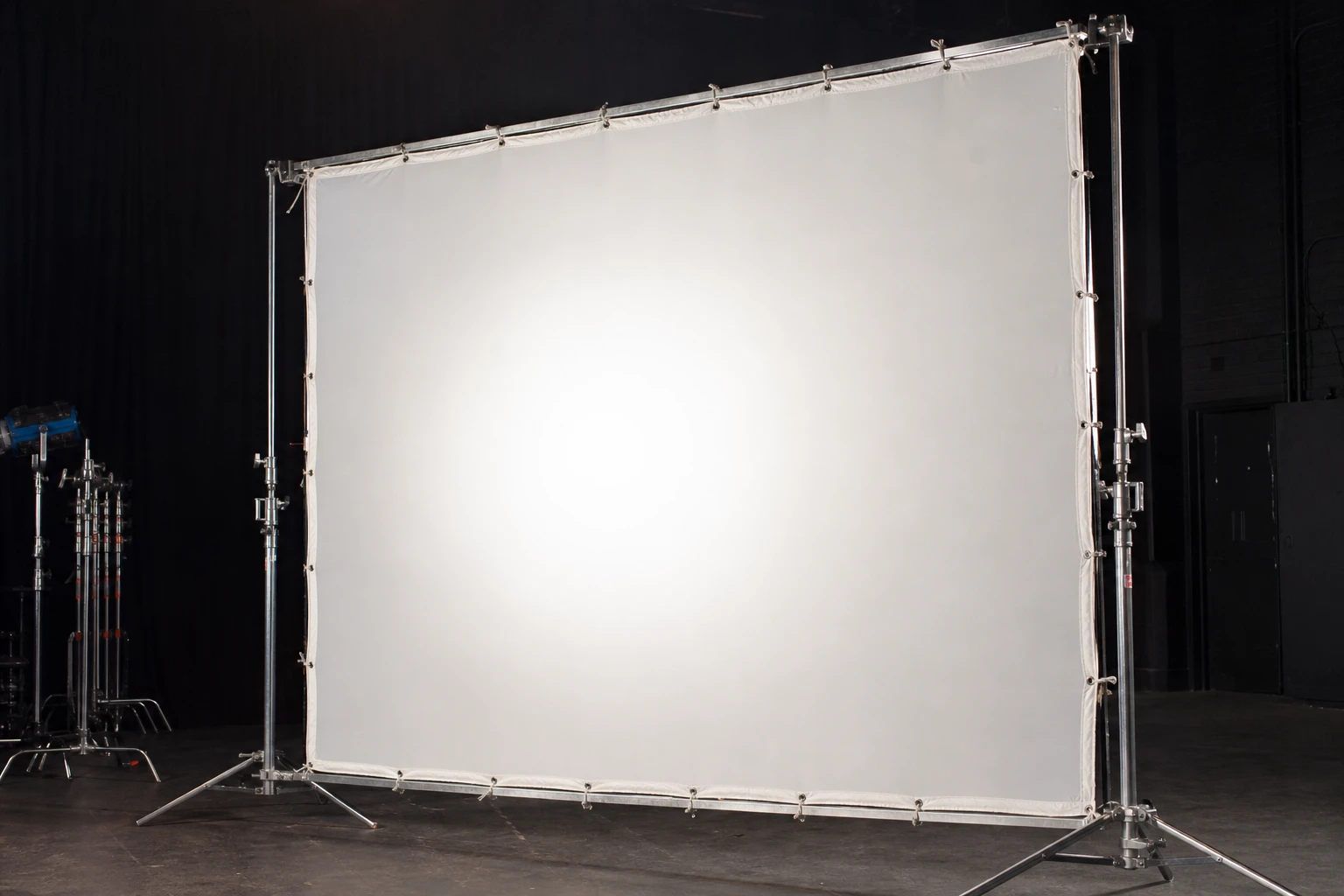
Scrims are diffusion frames — silk, 1/2 stop, 1/4 — placed between sun and subject to enlarge the source.
Snoot
2 setups
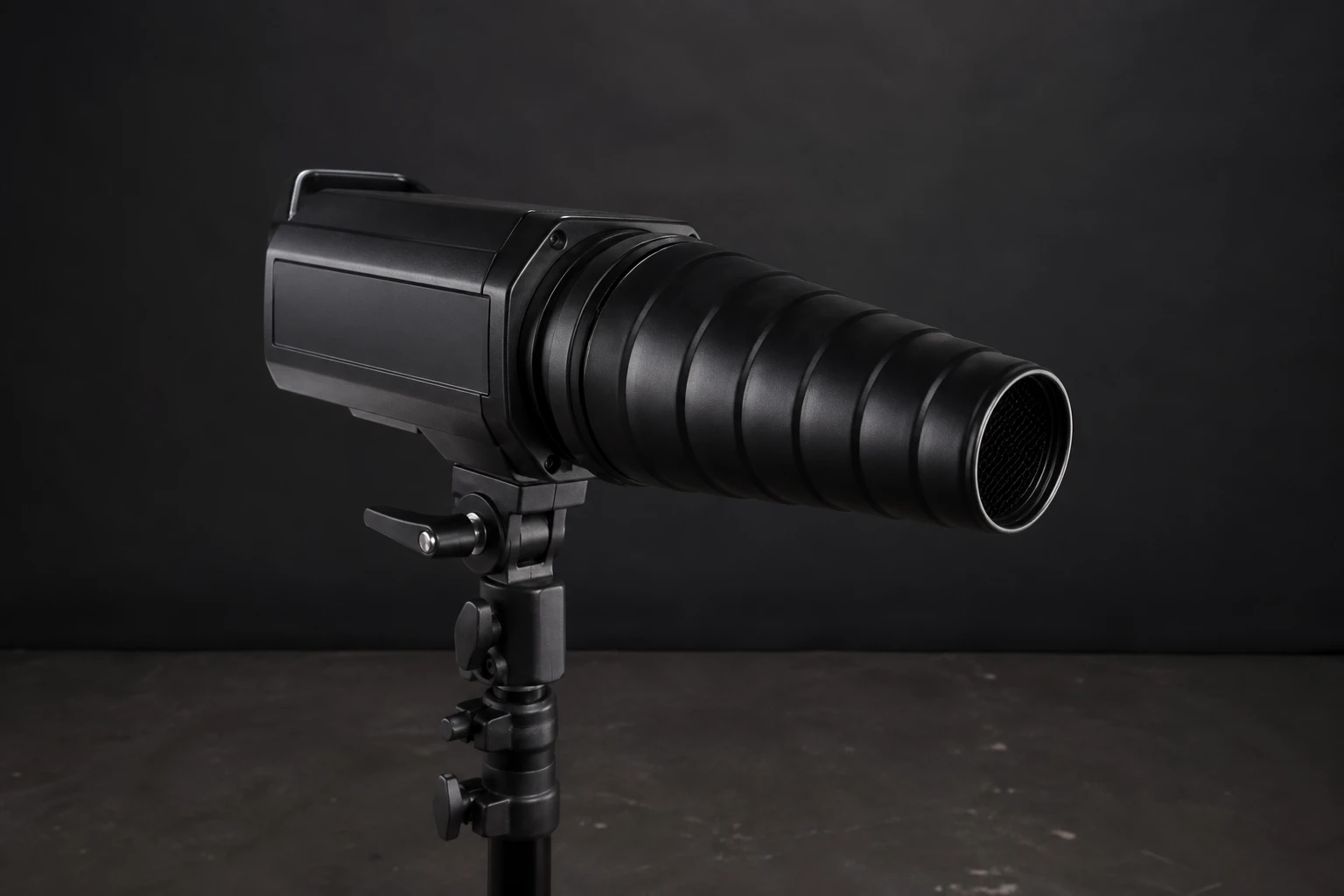
Snoots choke light into a small circle — surgical pools for drama, hair lights, and cross-light kickers.
Softbox
32 setups
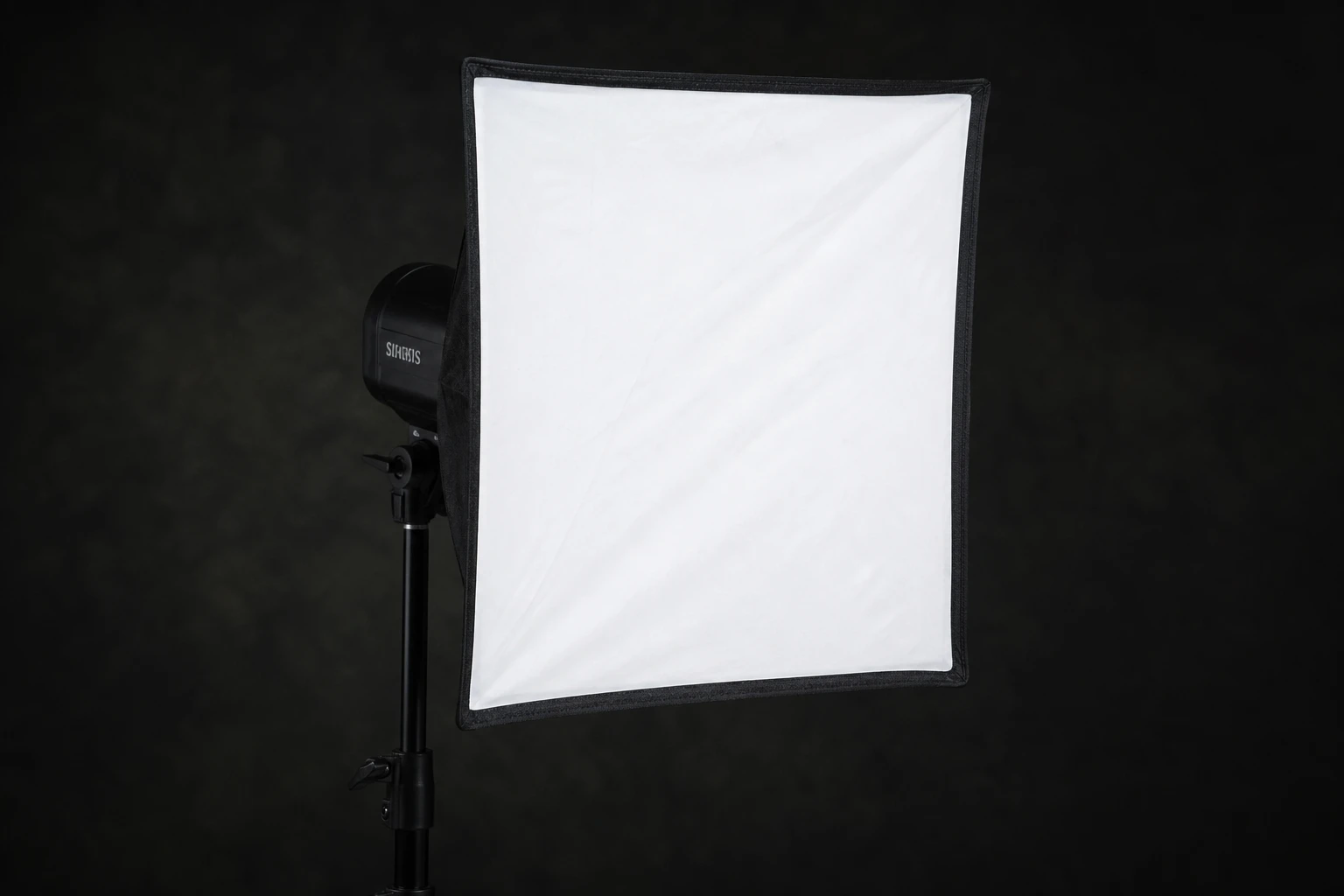
A softbox is the default directional soft modifier — rectangular or square diffusion in front of flash with controlled spill compared to umbrellas.
Stripbox
18 setups
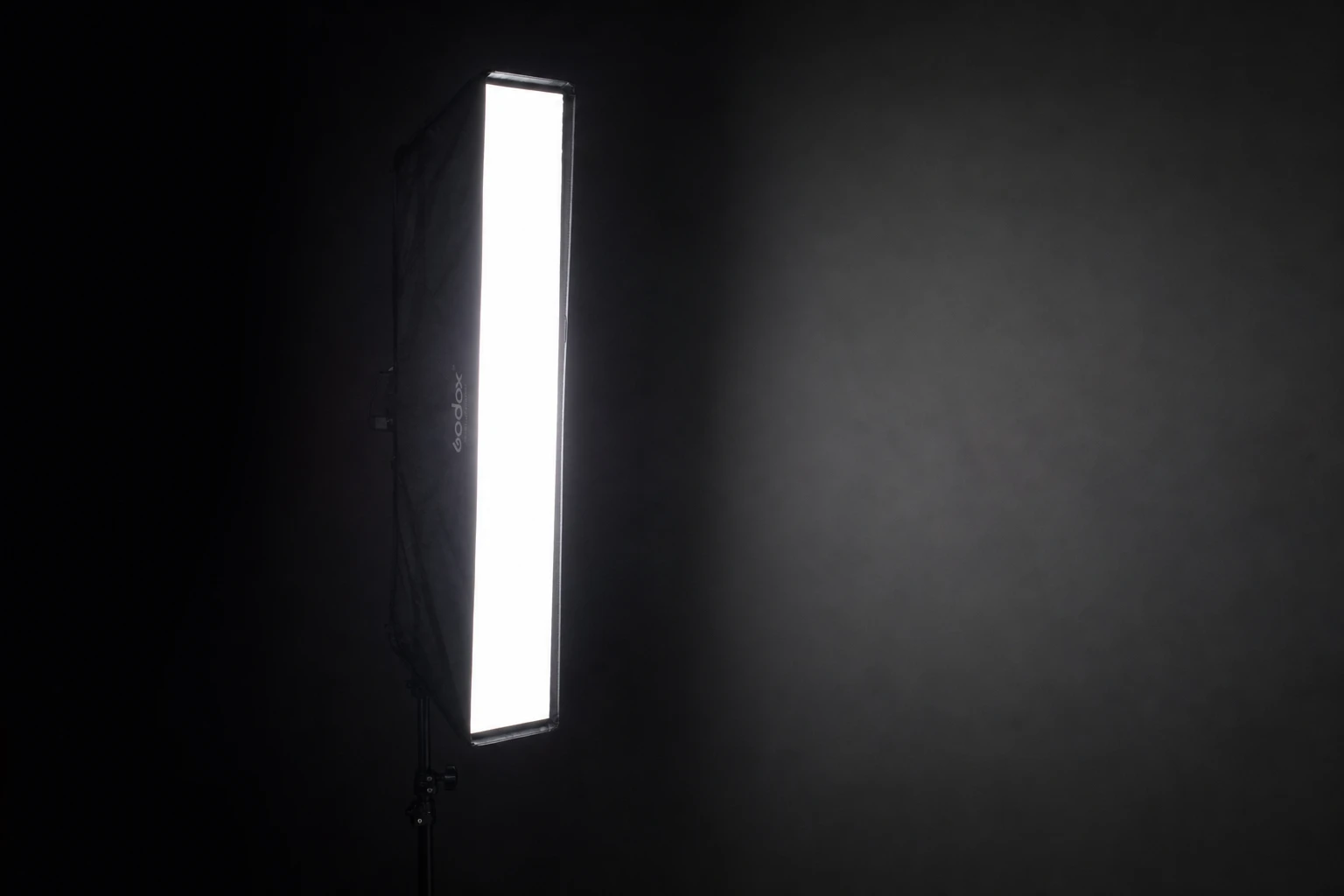
Stripboxes are tall, narrow soft sources — perfect for edge lines on faces, bottles, and packaging.
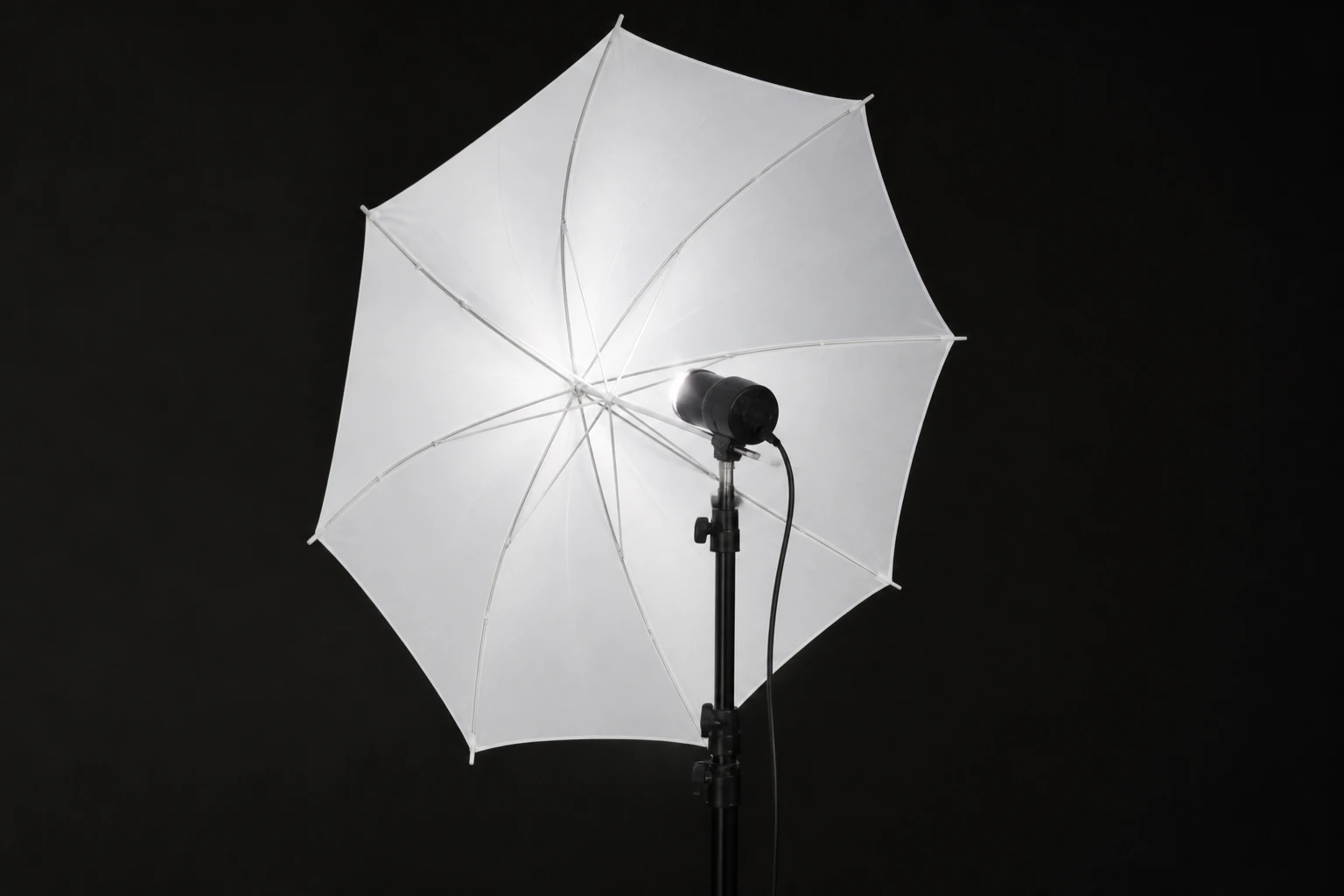
Umbrella
4 setups
Umbrellas are the fastest way to make flash big and soft — shoot-through or reflective white/silver interior.
Control tools
Flags, cutters, scrims, and V-flats — subtract spill, sculpt contrast, and keep light off where it should not land.
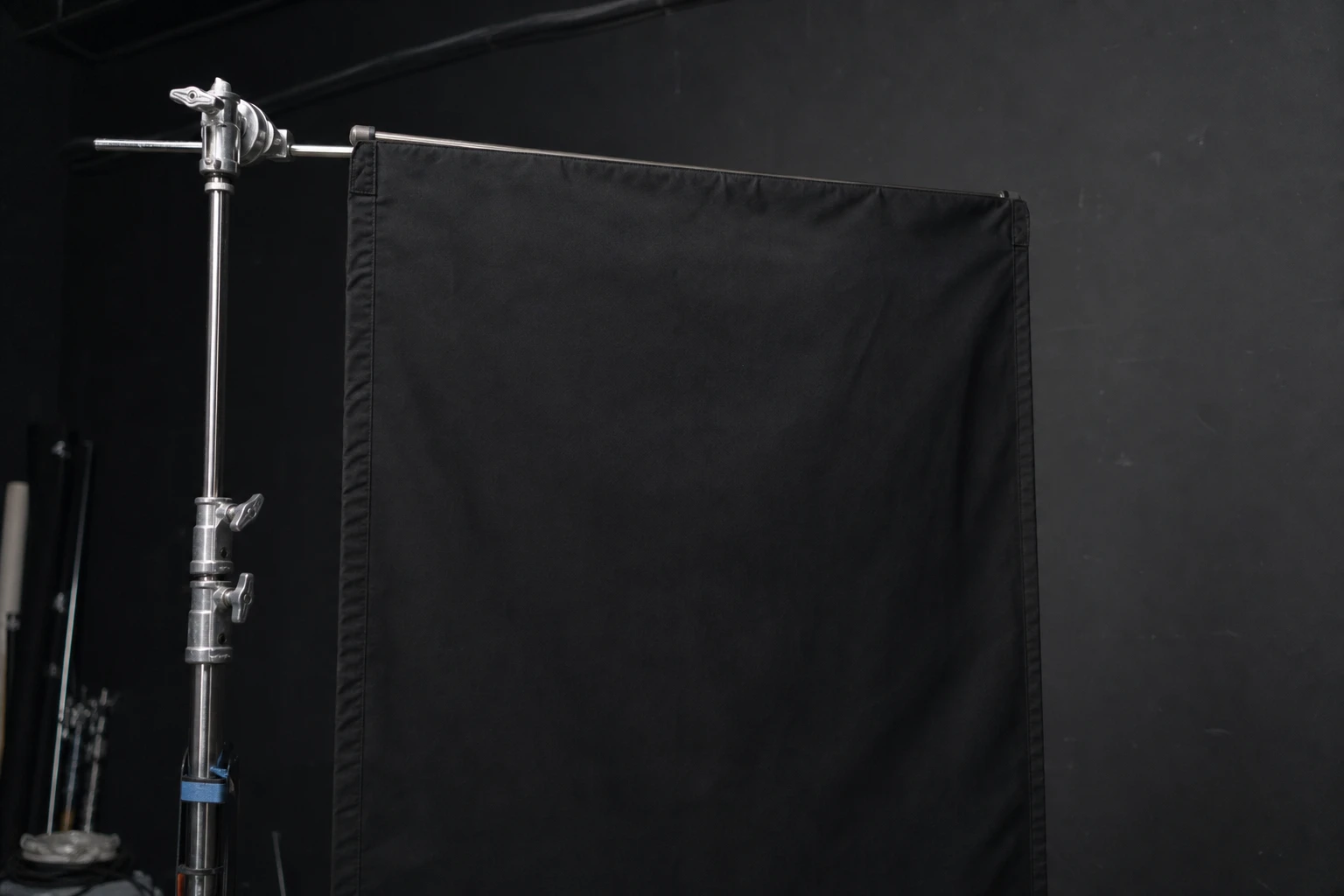
Flag / cutter
40 setups
Flags (cutters, barn doors, black flats) block light — they subtract instead of add.
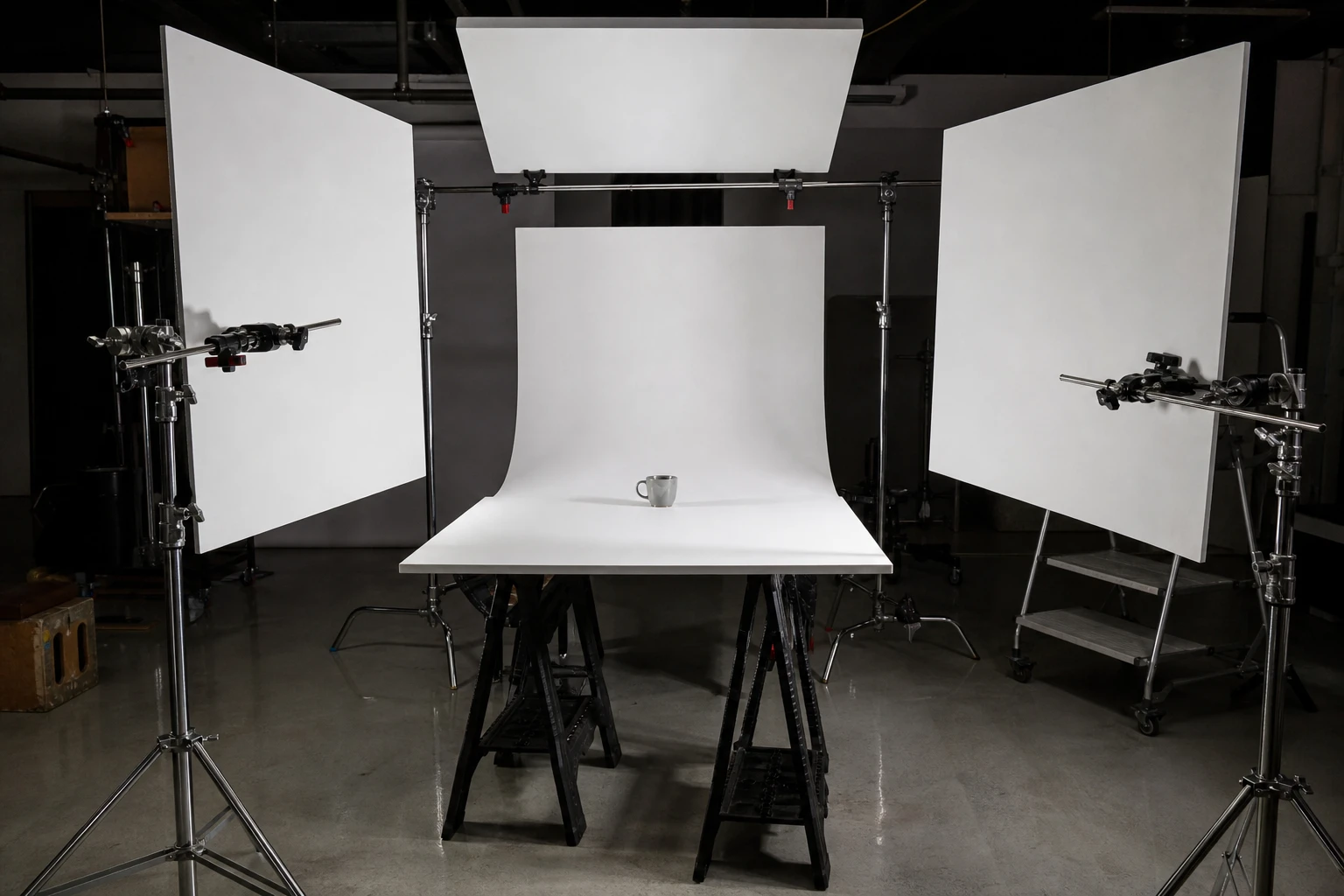
Foam board
19 setups
Foam board is the budget flag/bounce — white for fill, black for reflection control on products and faces.
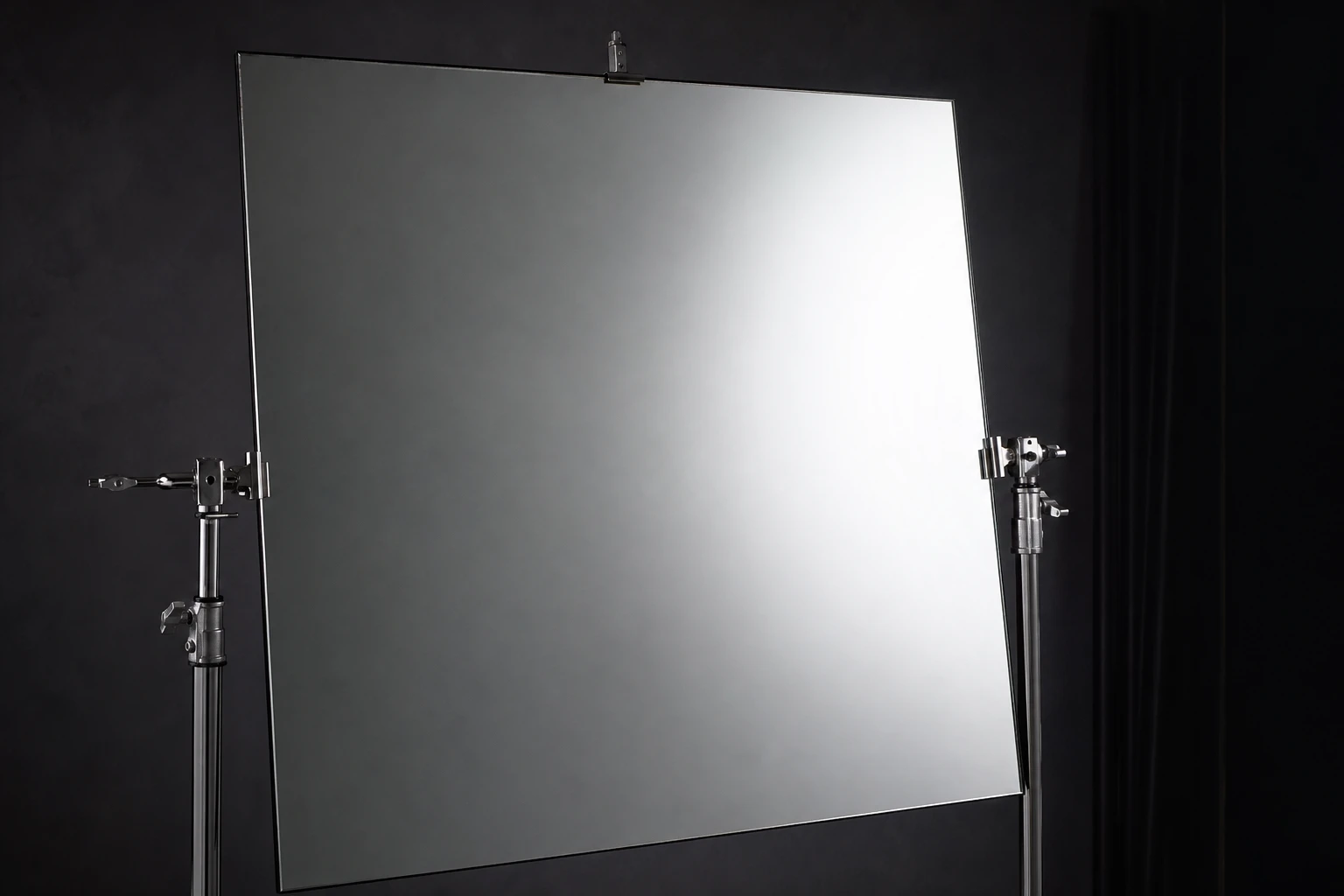
Mirror (bounce / redirect)
5 setups
Mirrors redirect light specularly — a sun slice, urban fashion kick, or macro sparkle unlike soft bounce.
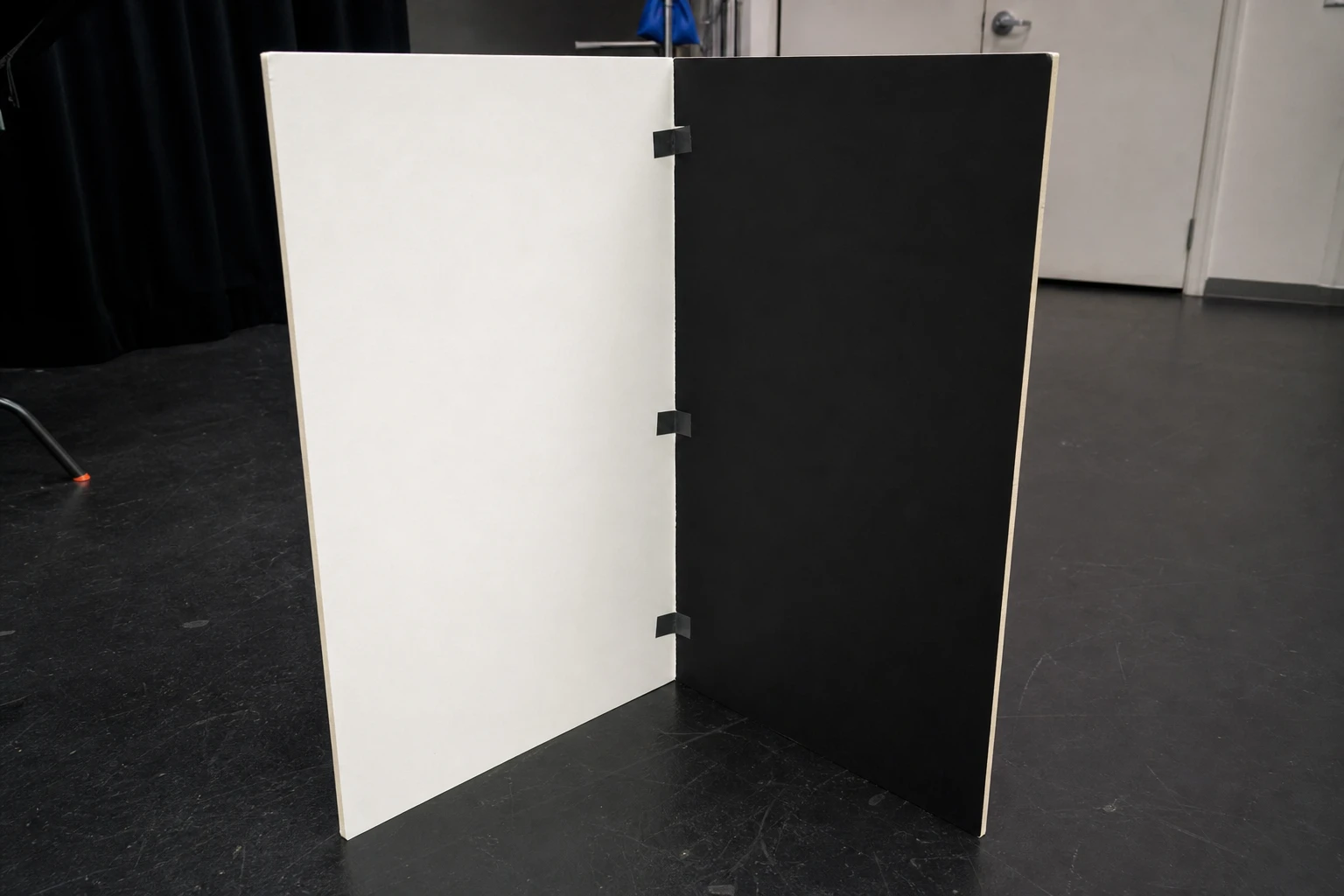
V-flat
8 setups
V-flats are large folding panels — white bounce one side, black negative fill the other.
Color & mixed light
Gels, mixed Kelvin, and HSS — when the lesson is about hue, contrast with ambient, or freezing sun.
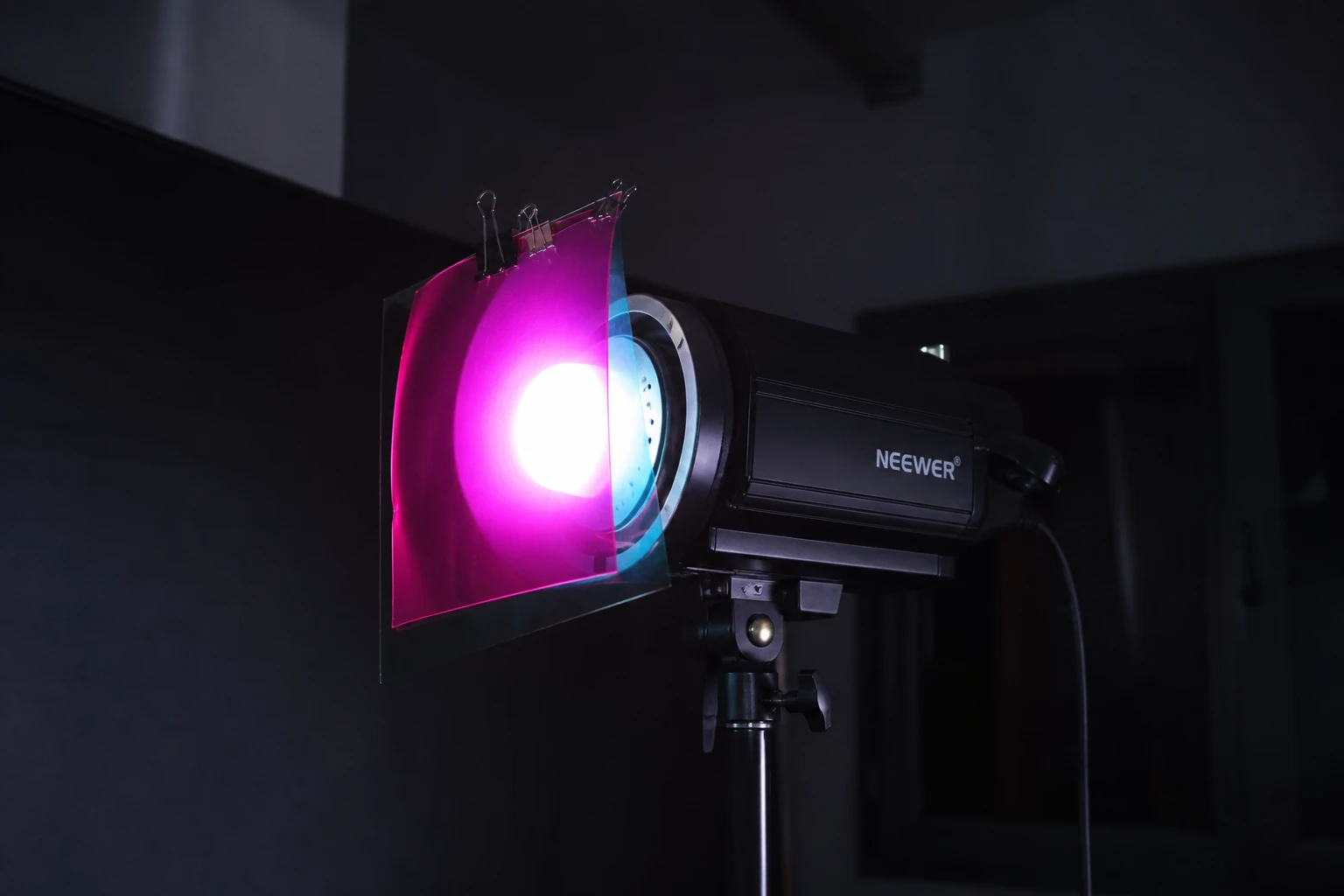
Color gel
4 setups
Gels shift the hue of a light source — rims, backgrounds, and mood without repainting the room.
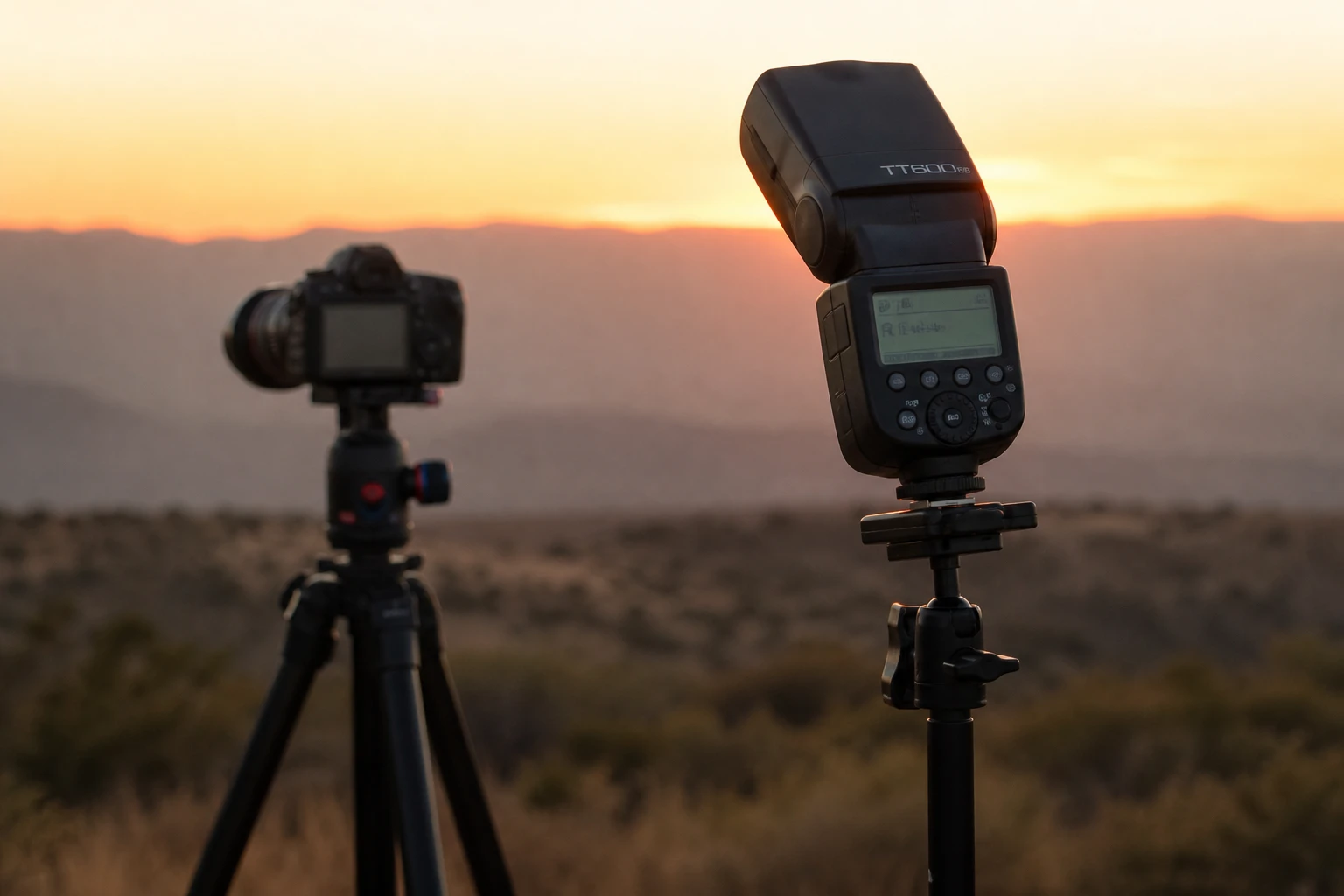
High-speed sync
3 setups
High-speed sync (HSS) lets flash fire at shutter speeds above normal sync — hold sky color while lighting faces.
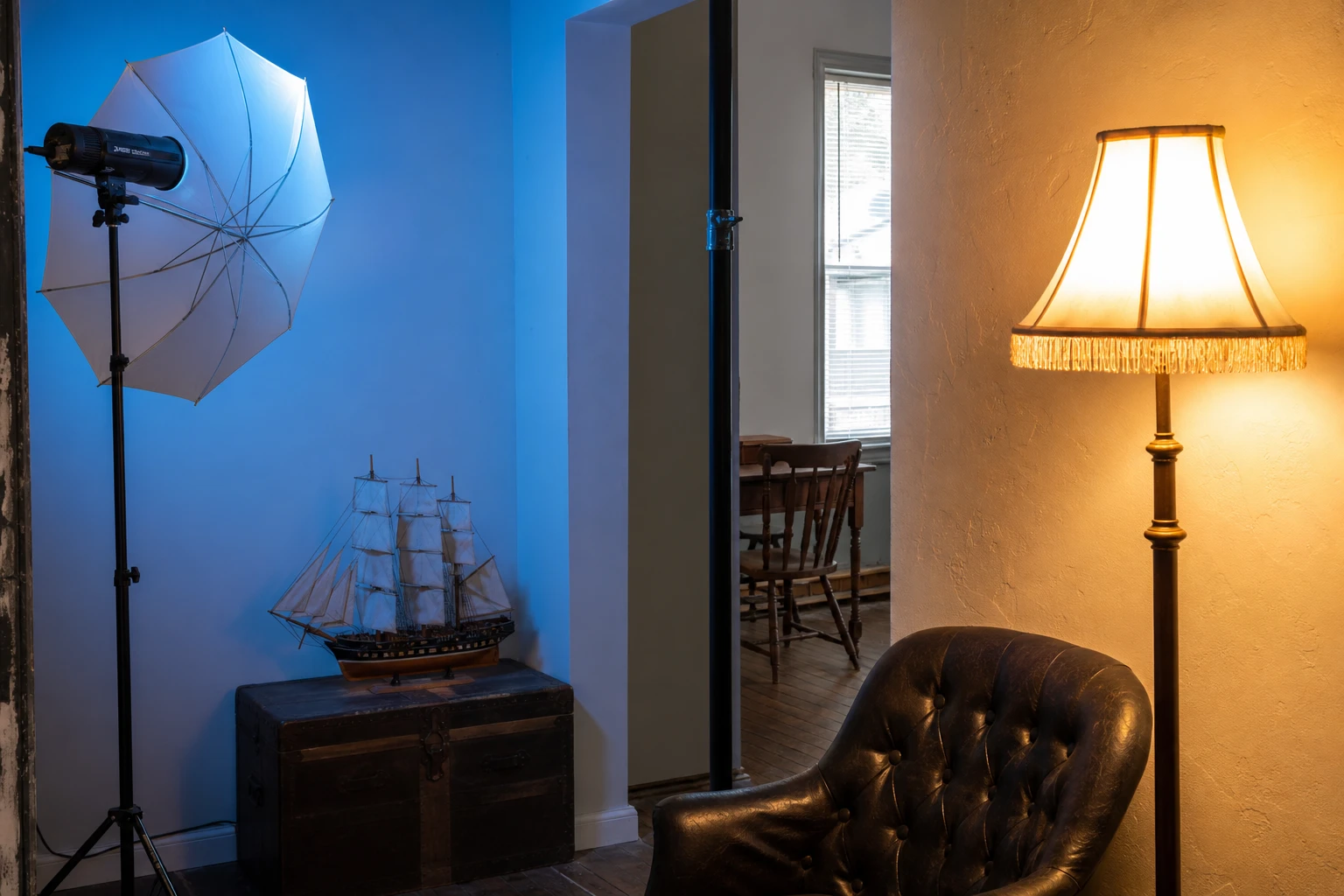
Mixed Kelvin
17 setups
Mixed Kelvin means warm and cool sources coexist — tungsten lamps vs daylight windows, sunset vs flash — by design.
Surfaces & effects
Foam board, acrylic bases, haze, and mirror cards — surfaces and atmosphere that finish the photograph.
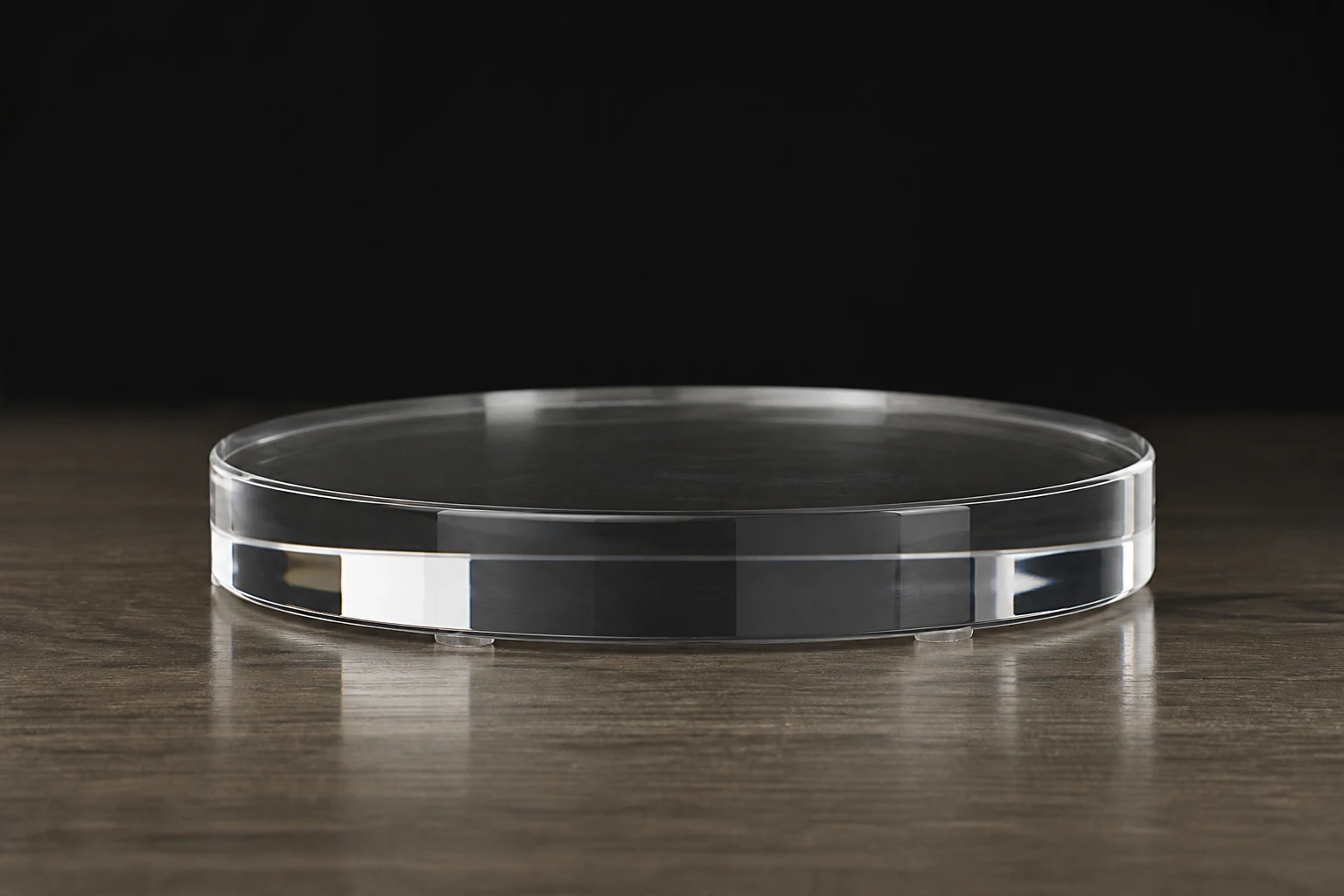
Acrylic / glass base
2 setups
Clear acrylic under product creates a mirror reflection — doubles visual mass and luxury cues.
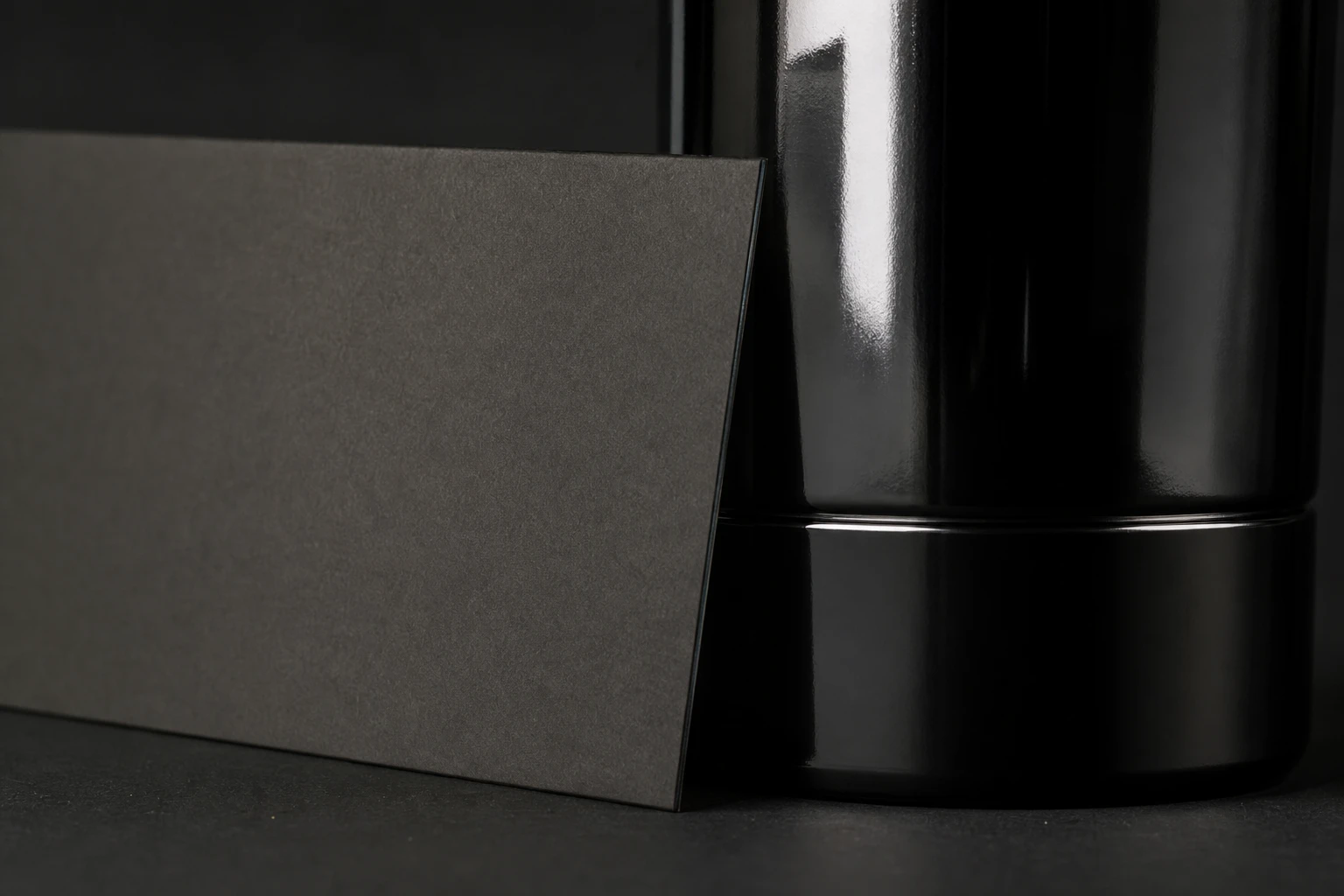
Black card (product)
17 setups
Black cards beside glossy packaging carve dark reflection bands — shape without changing lights.
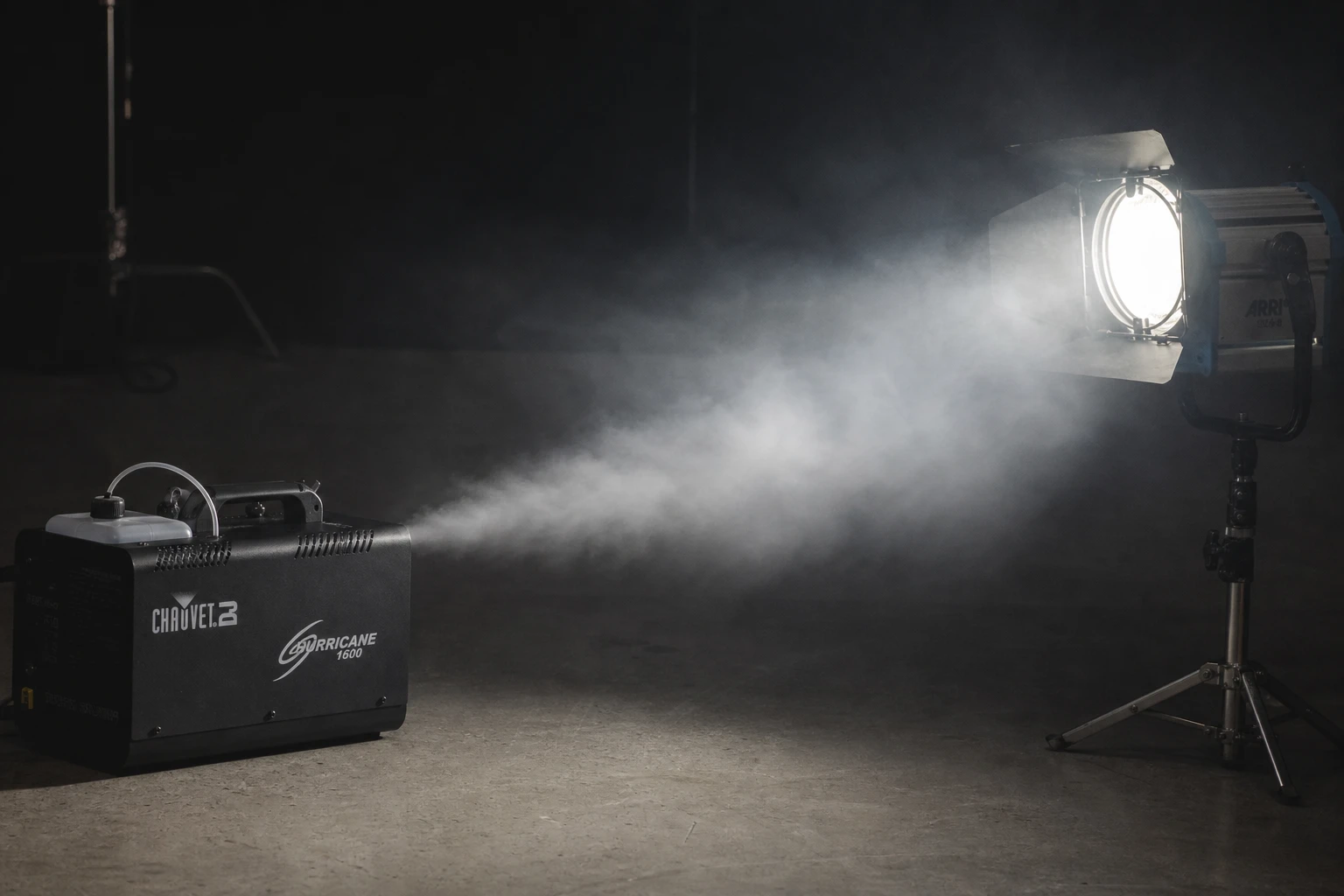
Haze / atmosphere
3 setups
Haze (fog oil, hazer, light smoke) scatters light so beams become visible volumes — advanced atmosphere.
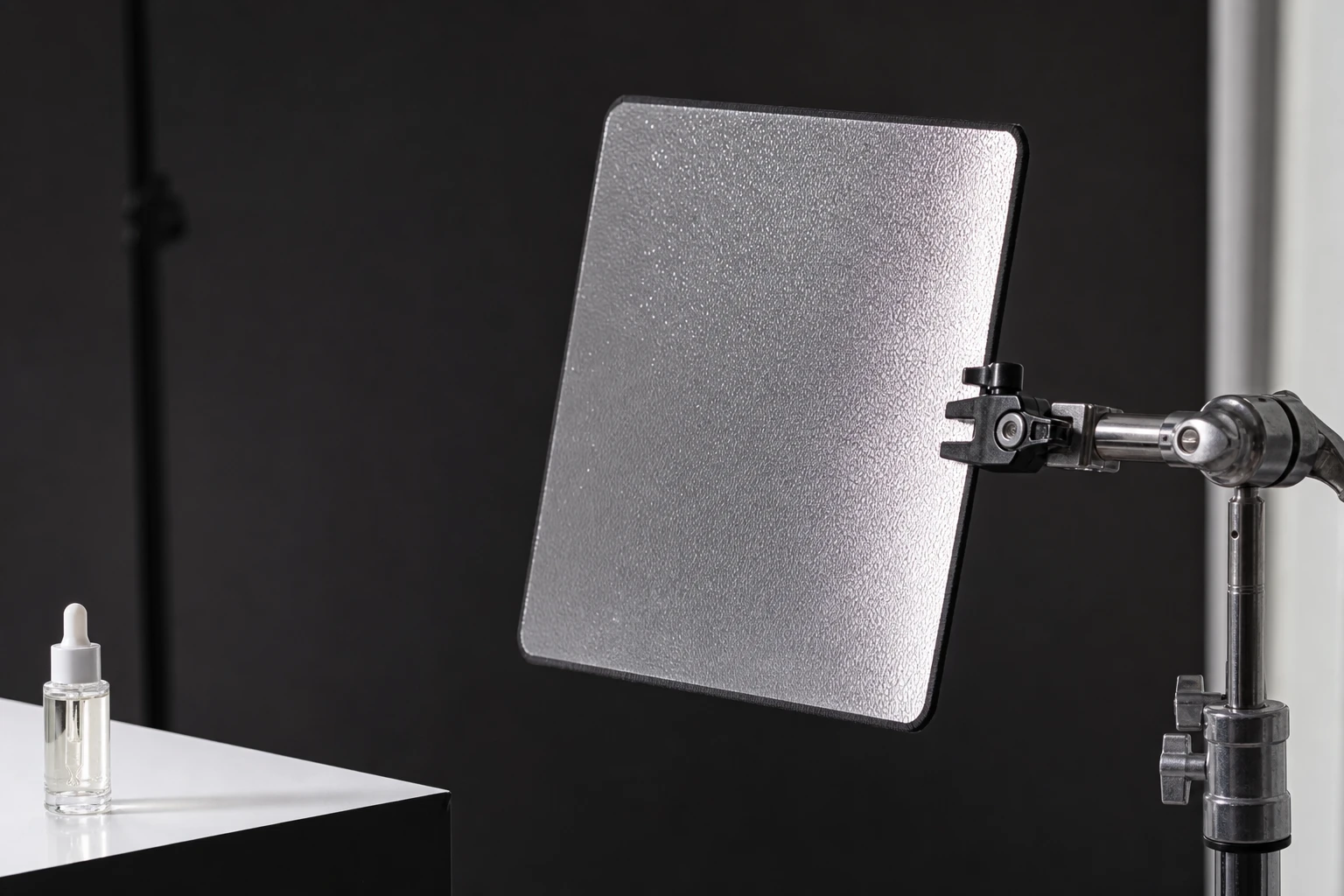
Mirror card
5 setups
A mirror card is a small angled reflector for one specular point on jewelry or metal — precision highlight sculpture.
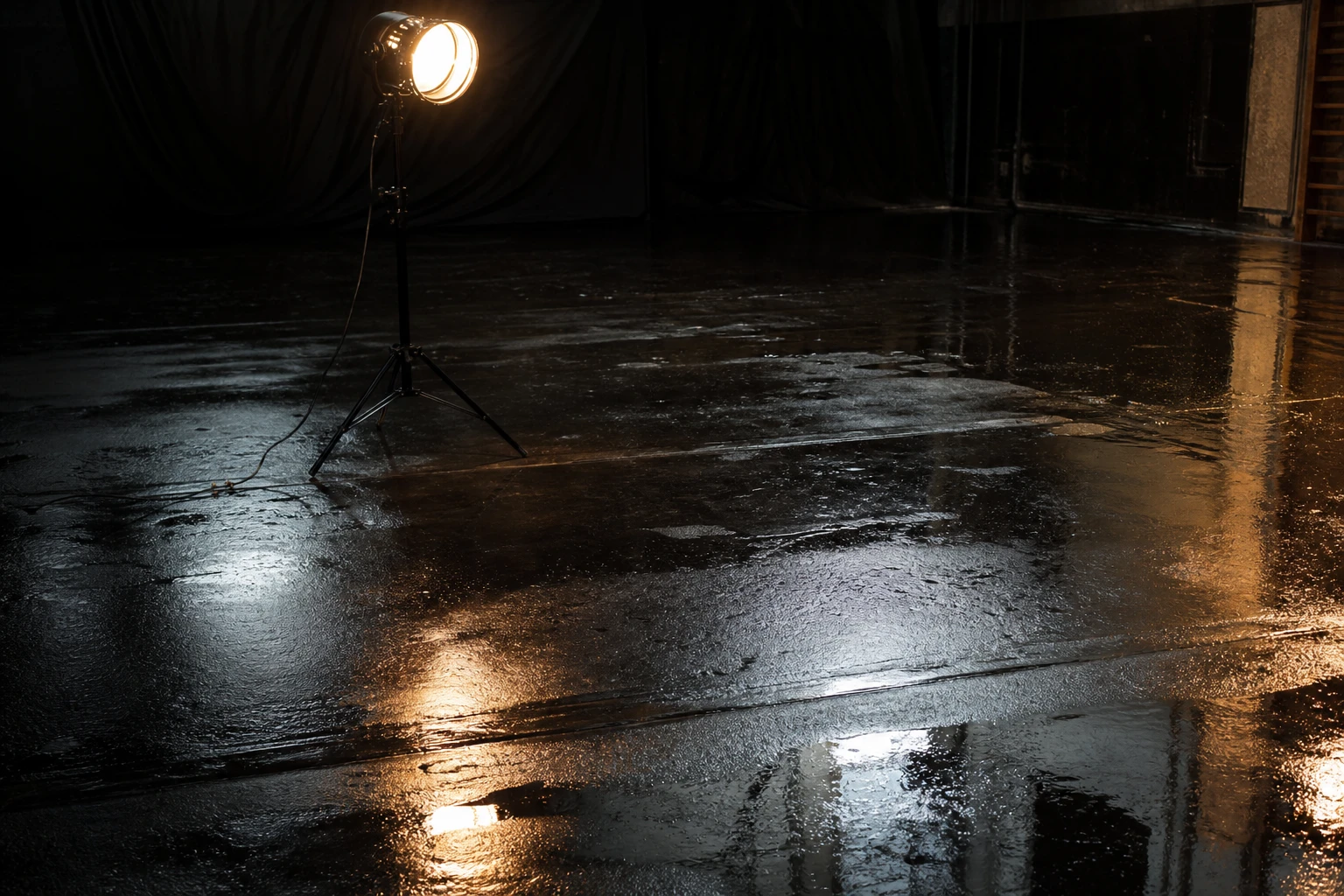
Wet ground reflection
3 setups
Wet pavement and floors duplicate lights as mirror planes — instant night production value.