Reference
Lighting terms explained
What the vocabulary actually means — each term shown on a frame from our own library and measured on it, not described in the abstract.
Patterns
where the key stands, and what its shadow does to a face
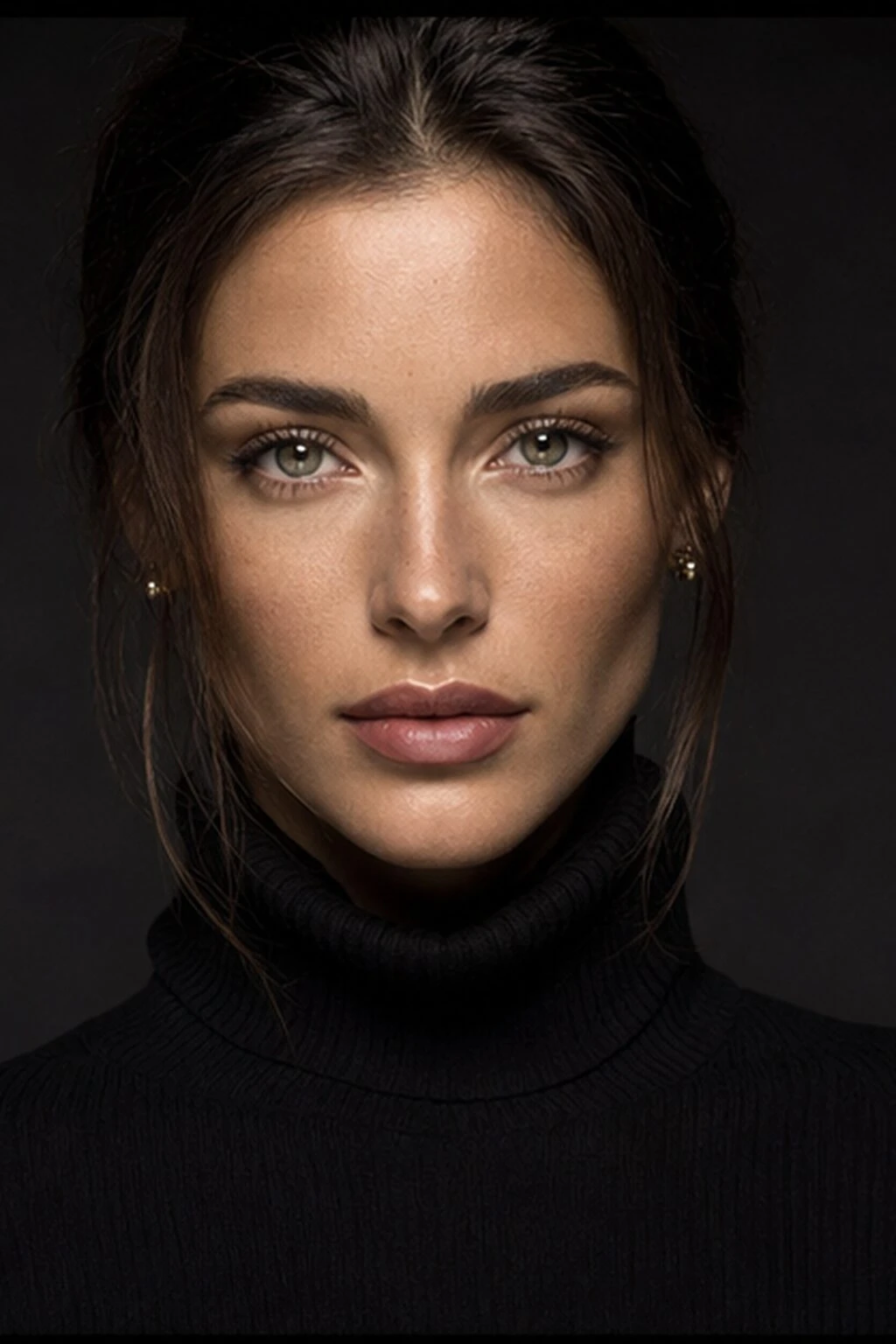
Butterfly lighting
Shadow under the nose

Loop lighting
Nose shadow stops short
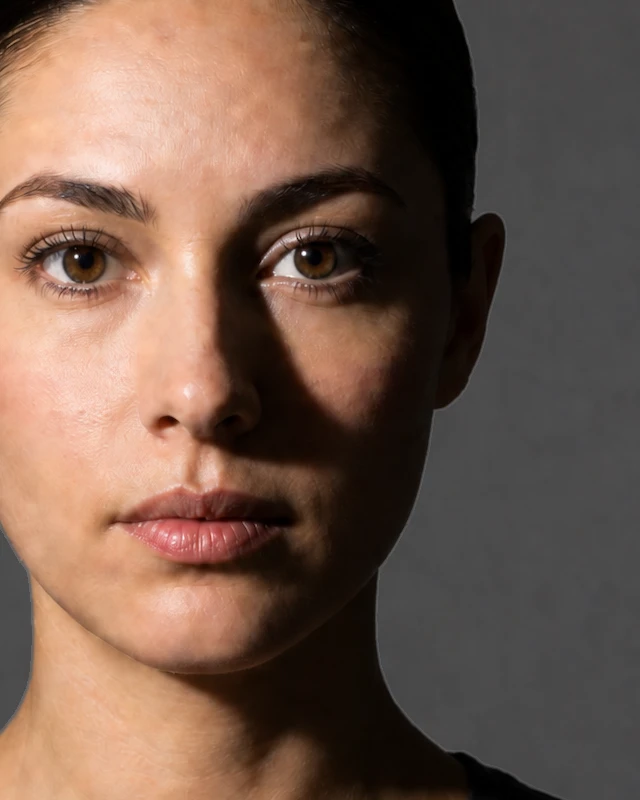
Rembrandt lighting
The two shadows meet
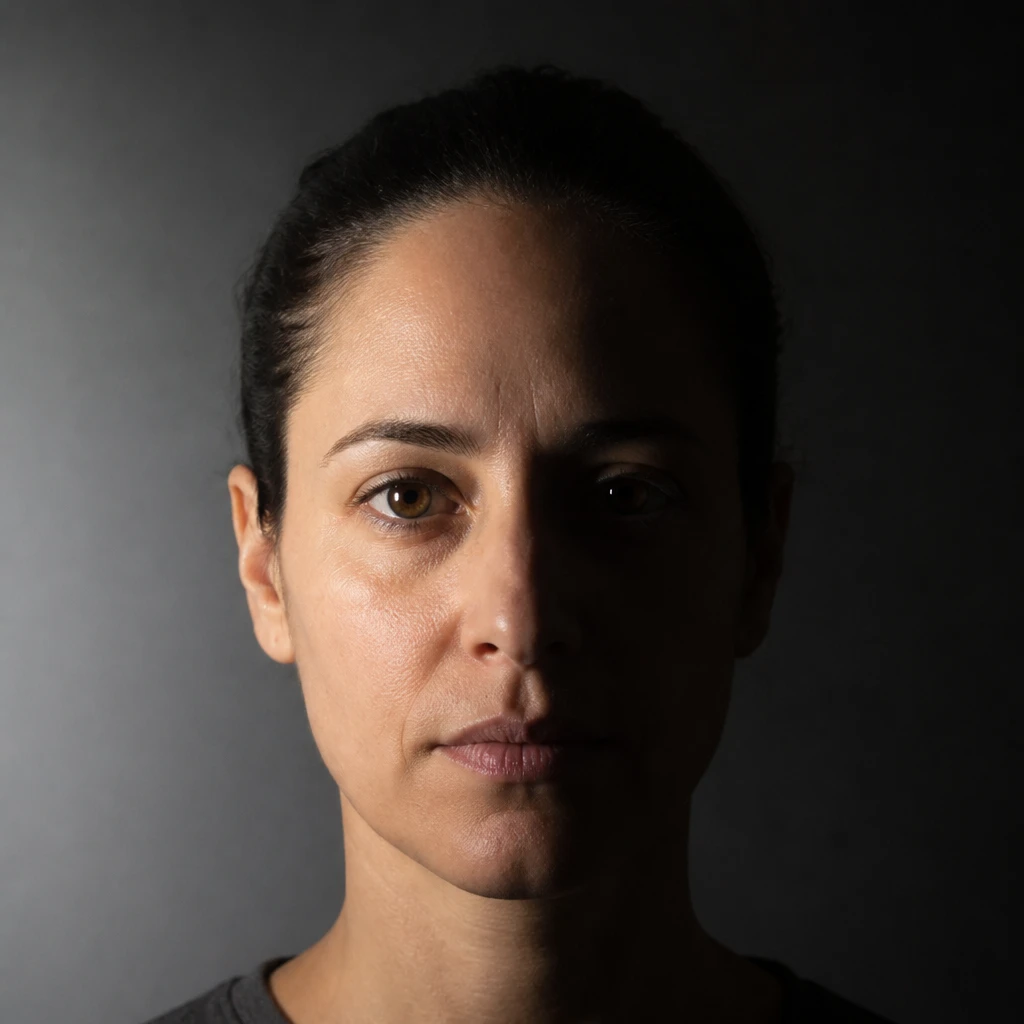
Split lighting
No separate nose shadow
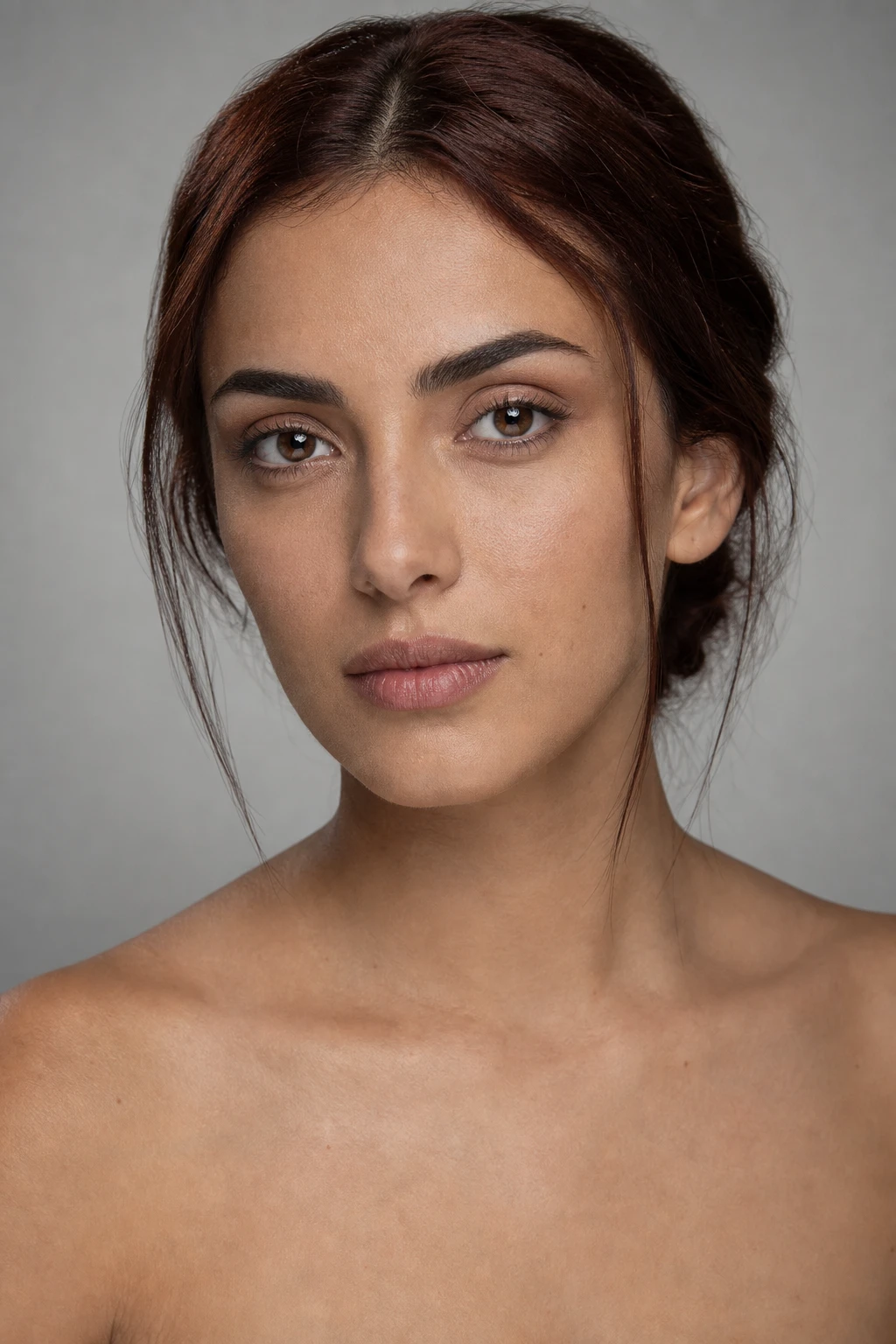
Clamshell lighting
Two catchlights per eye
Roles
what each light in a rig is there to do
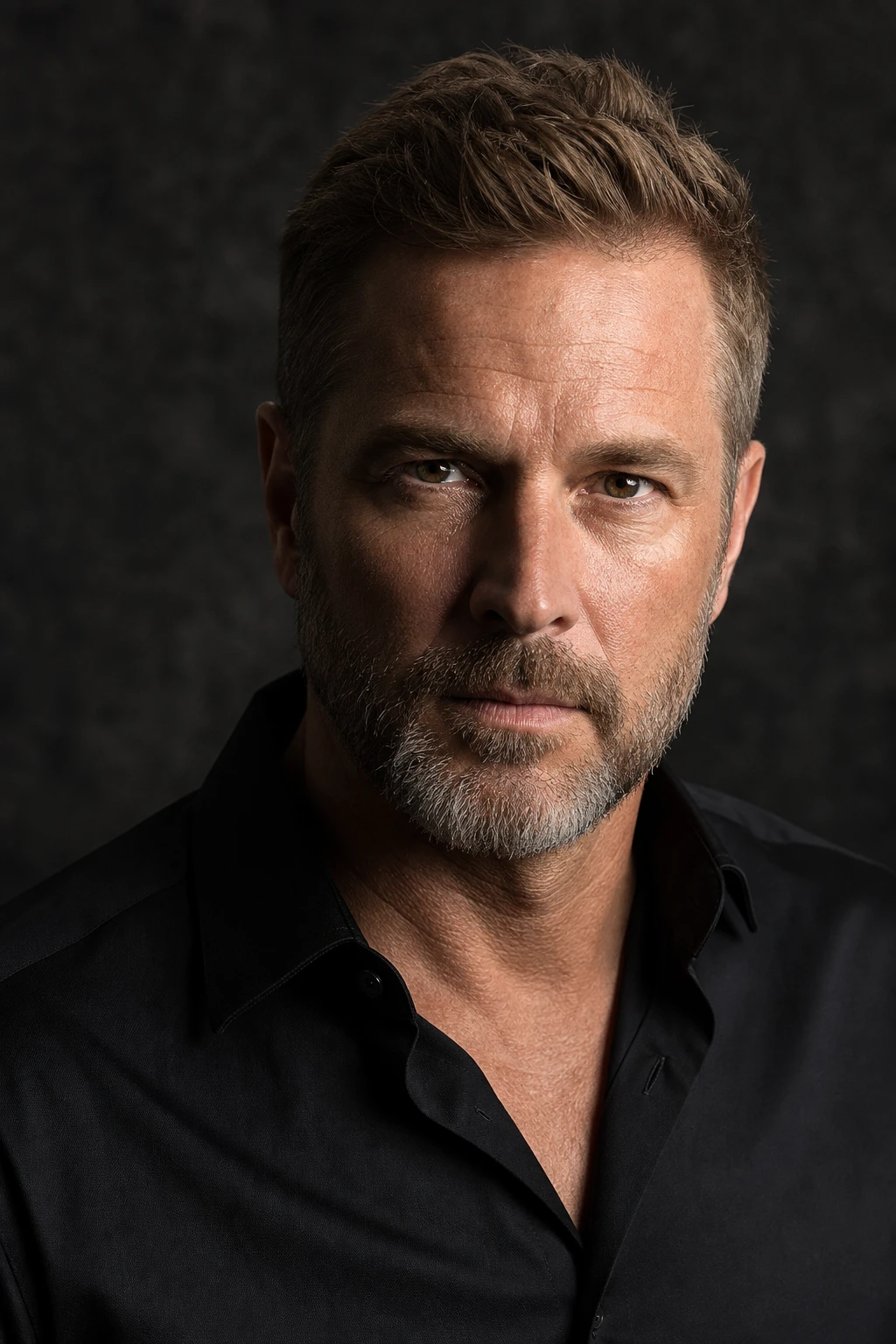
Key light
Decides the shape
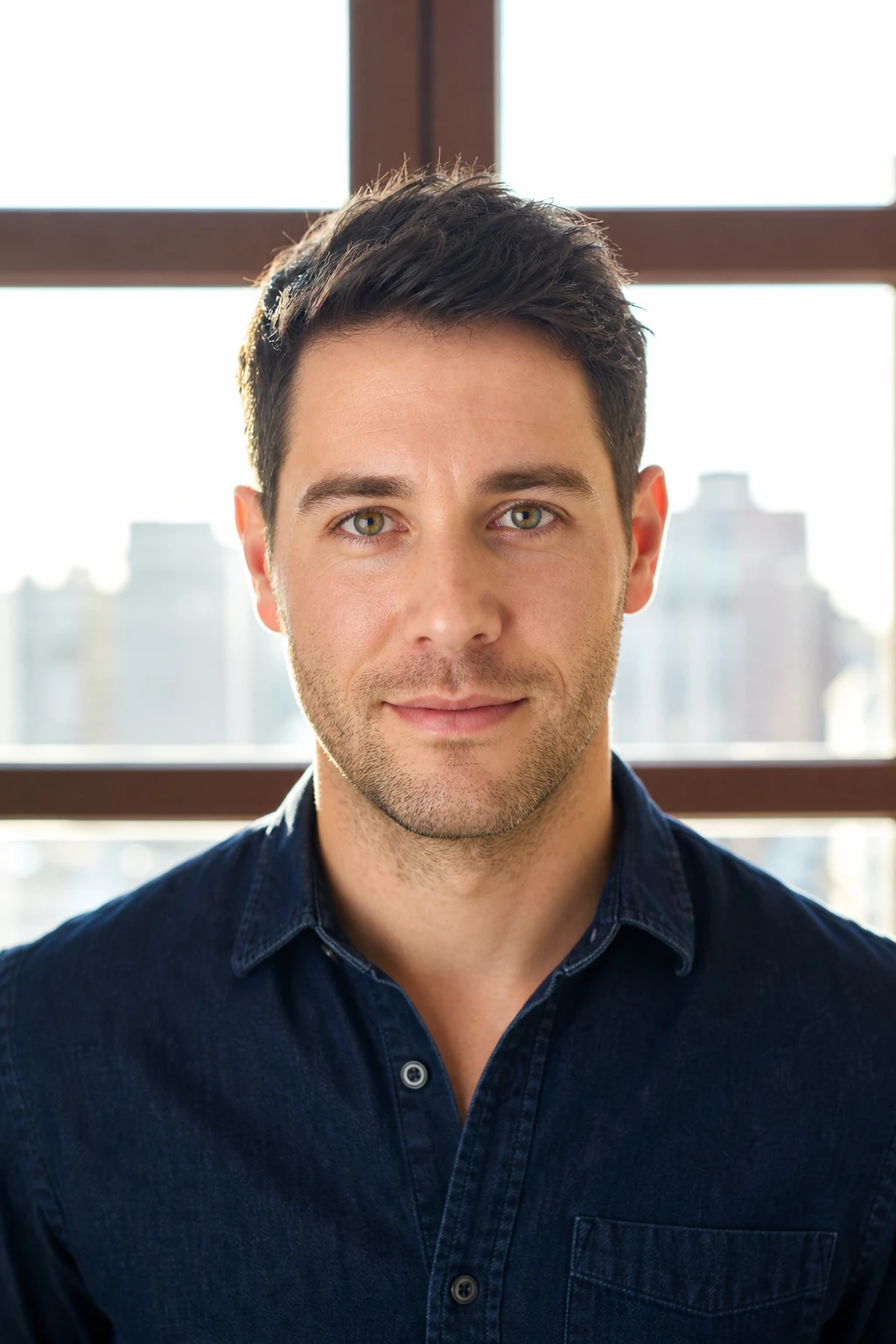
Fill light
Sets the ratio
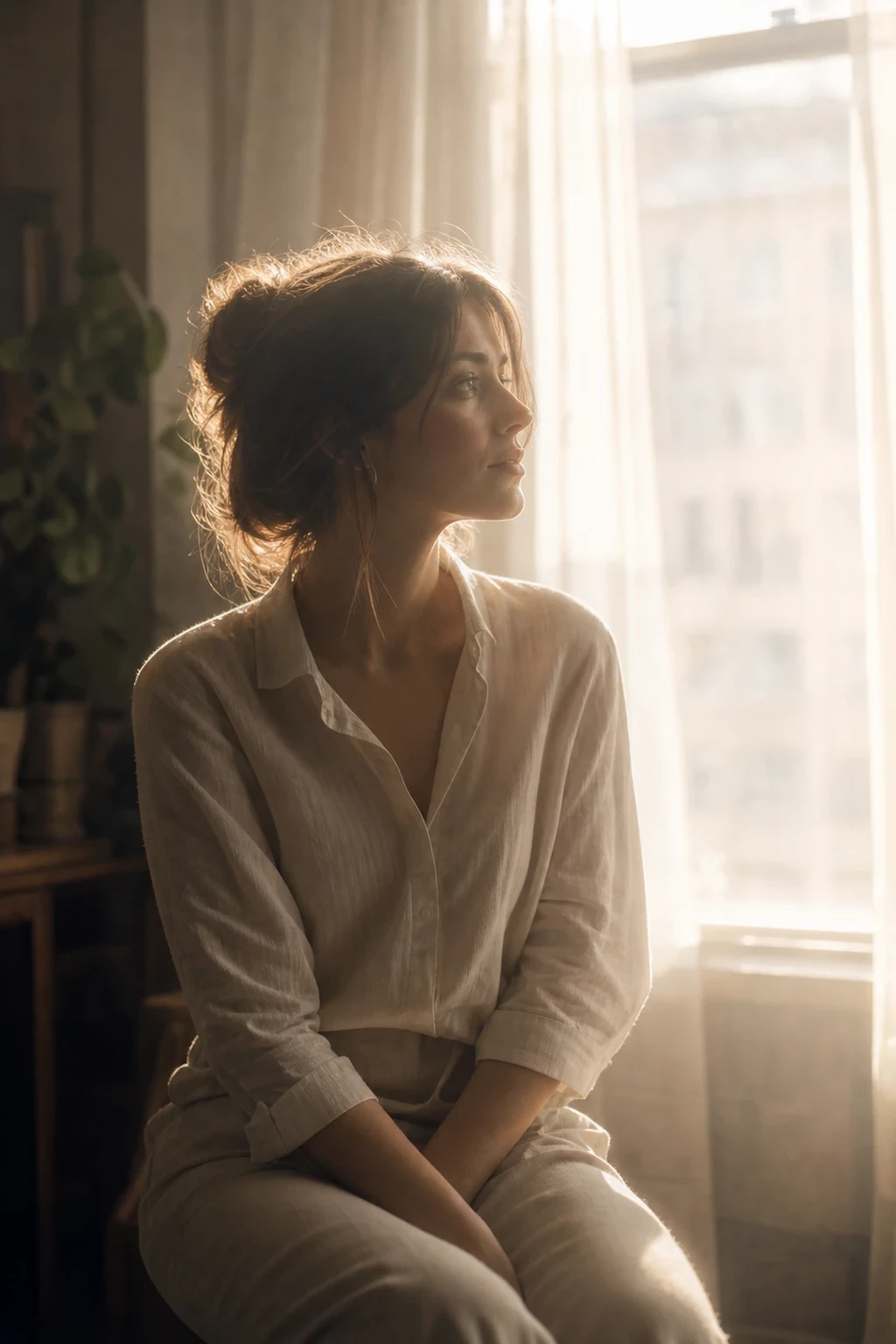
Rim light
Cuts the silhouette
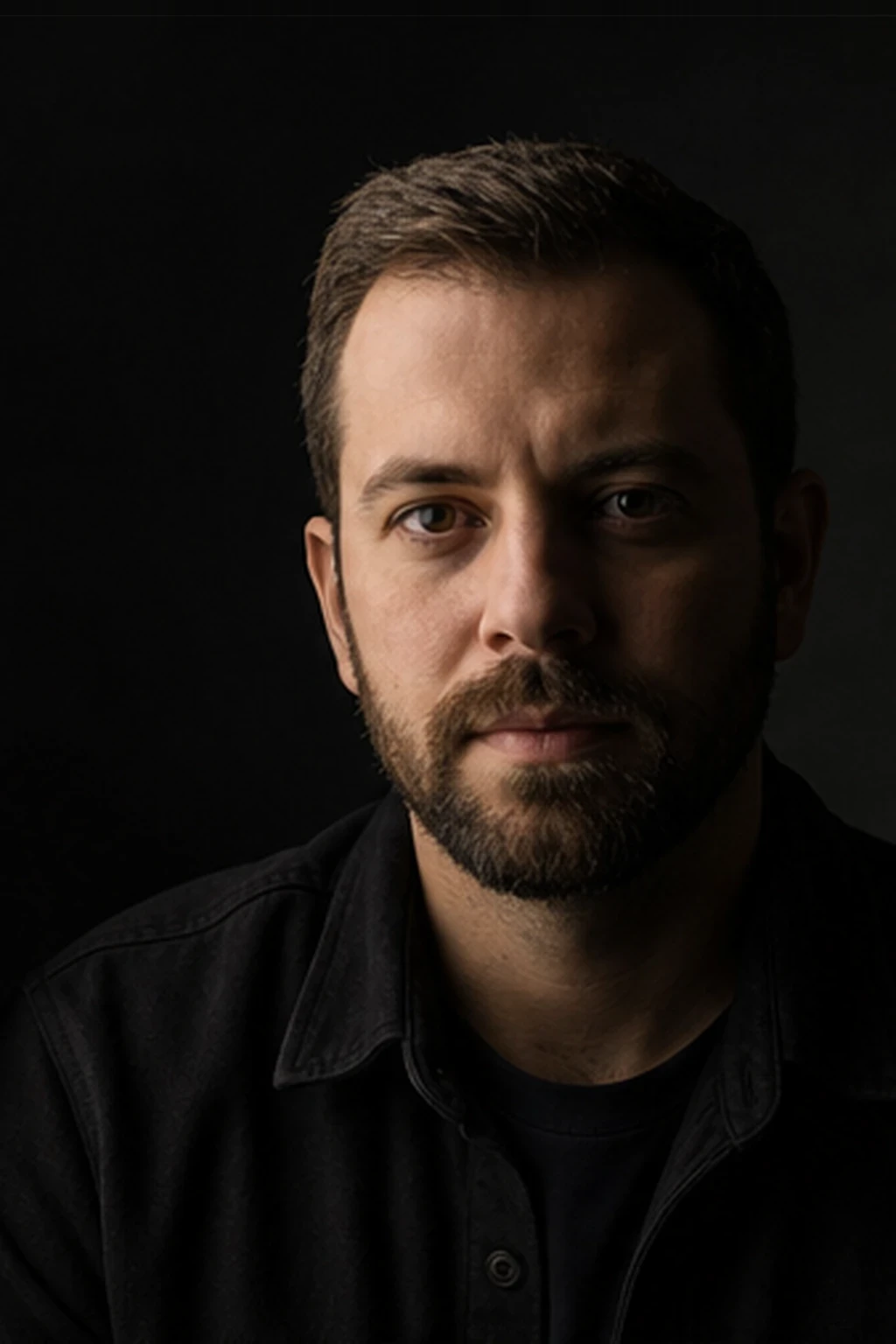
Negative fill
Subtracts light
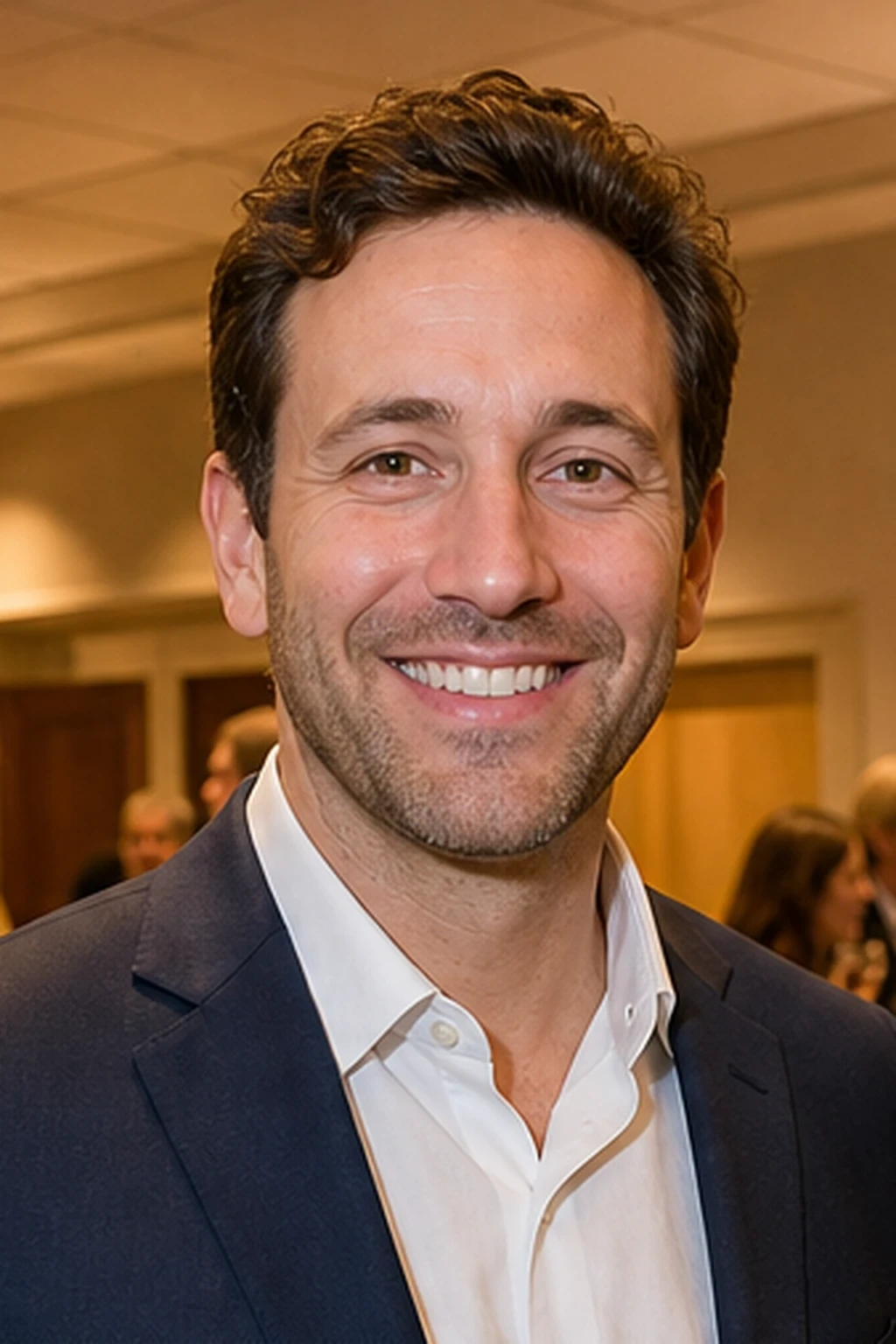
Bounced light
Surface as the source

Practical light
Light in the frame
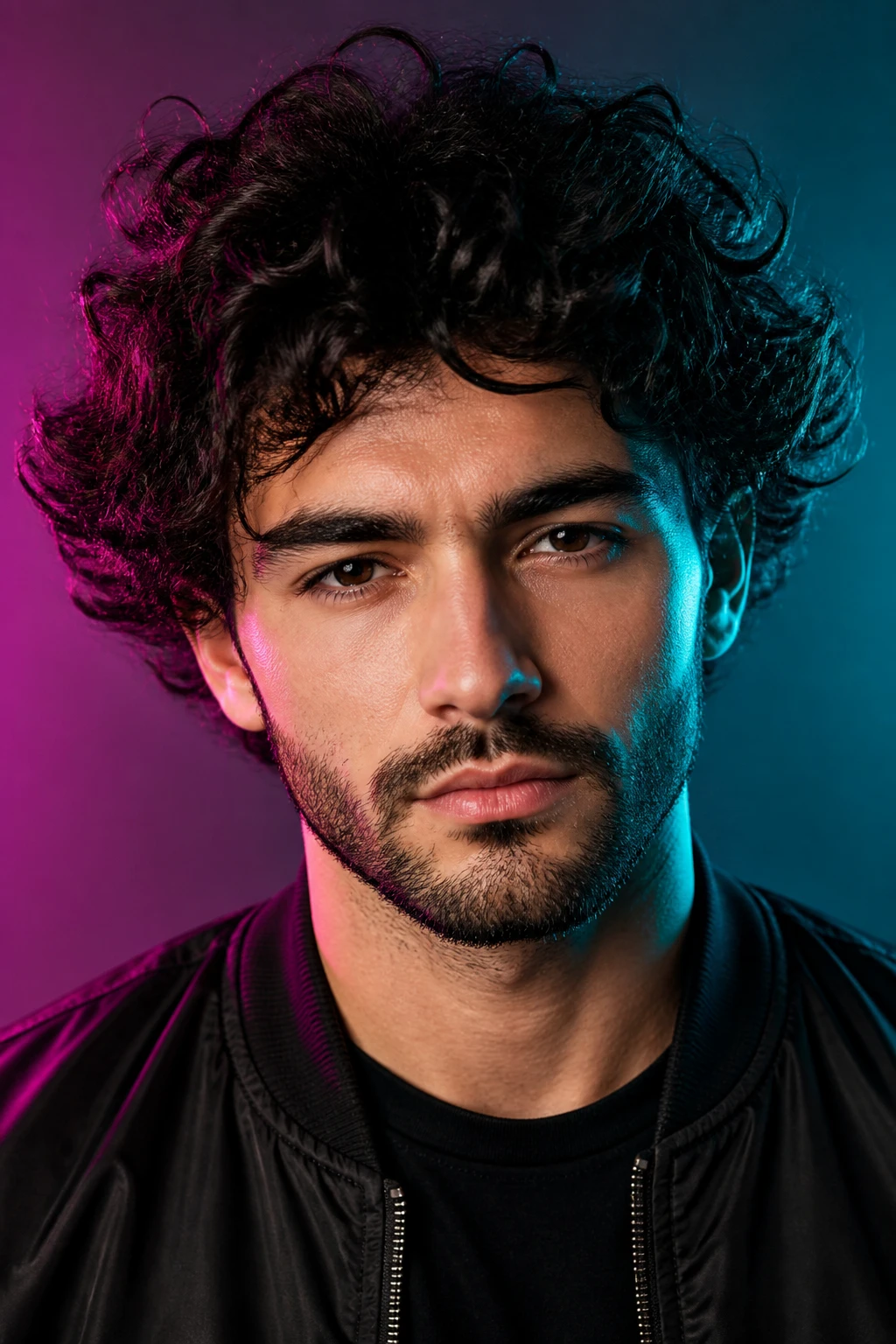
Background light
Lights only the wall
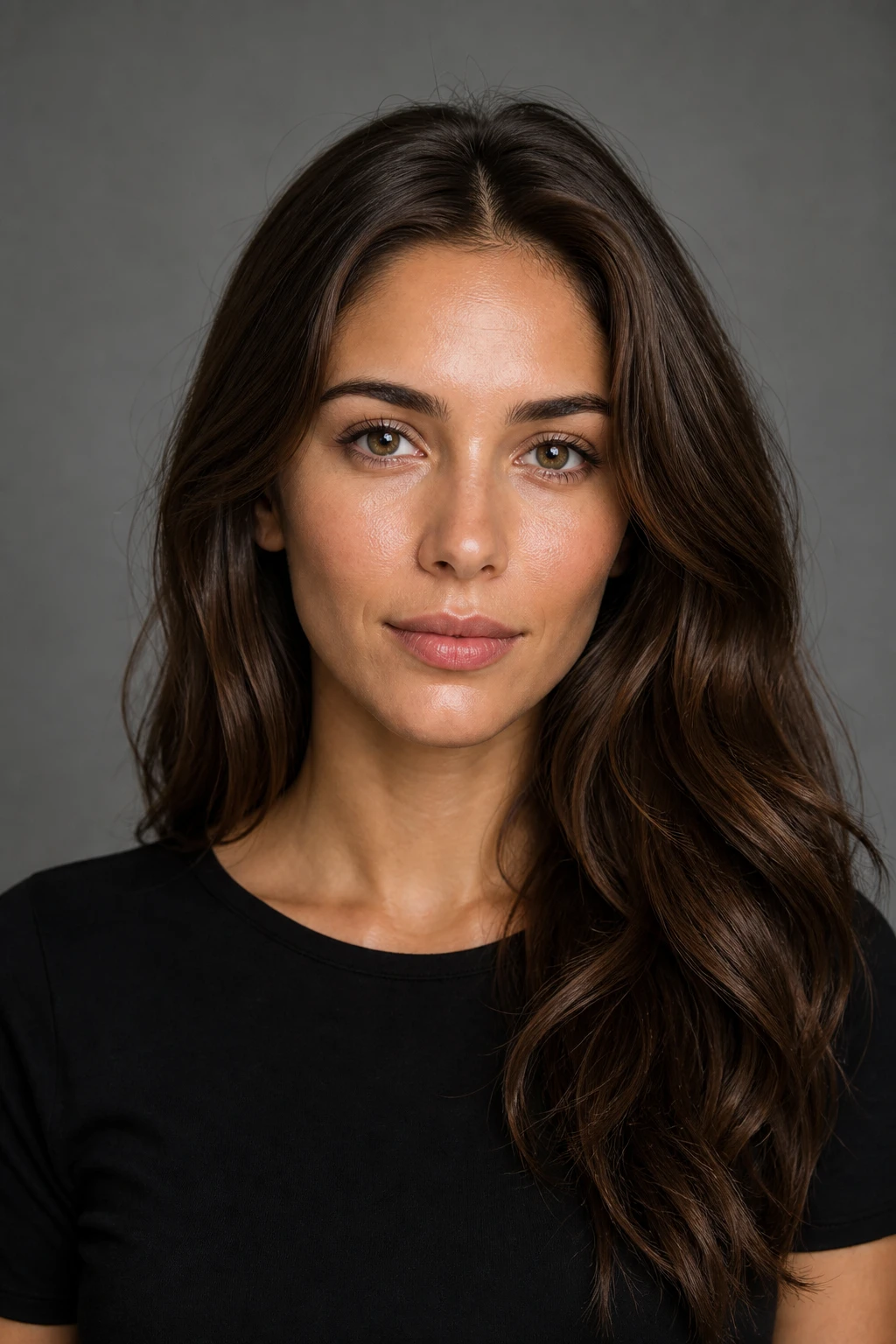
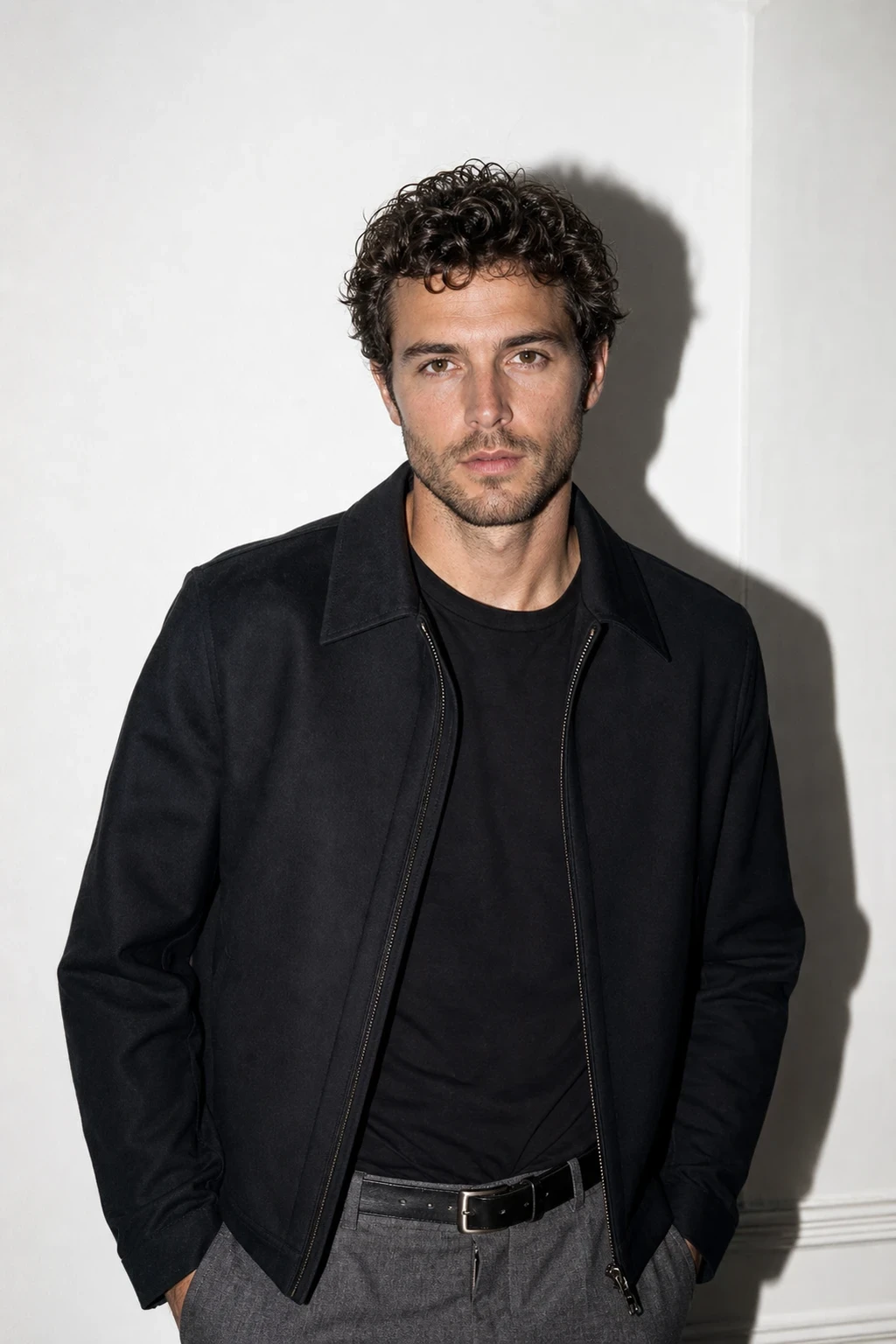
Quality
how soft the edge is, and how deep the shadows run

Study
not words to look up — two pages that use them
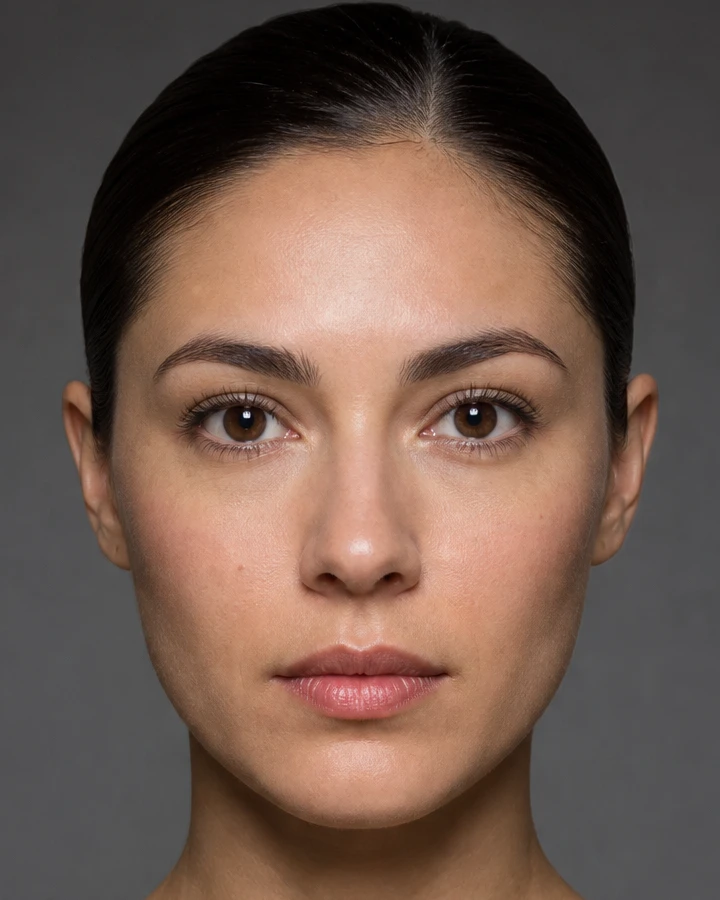
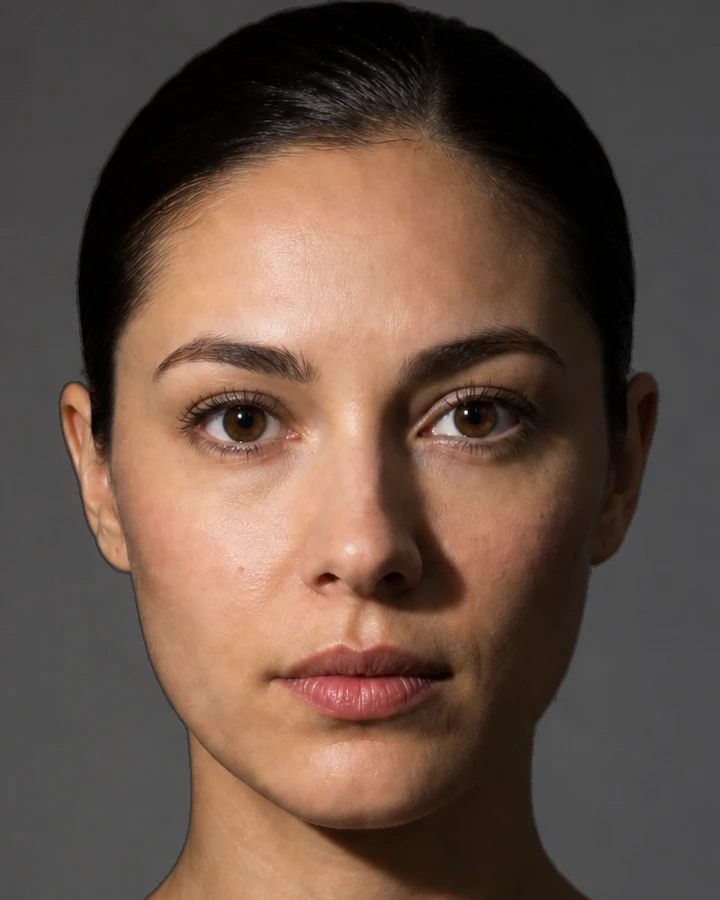
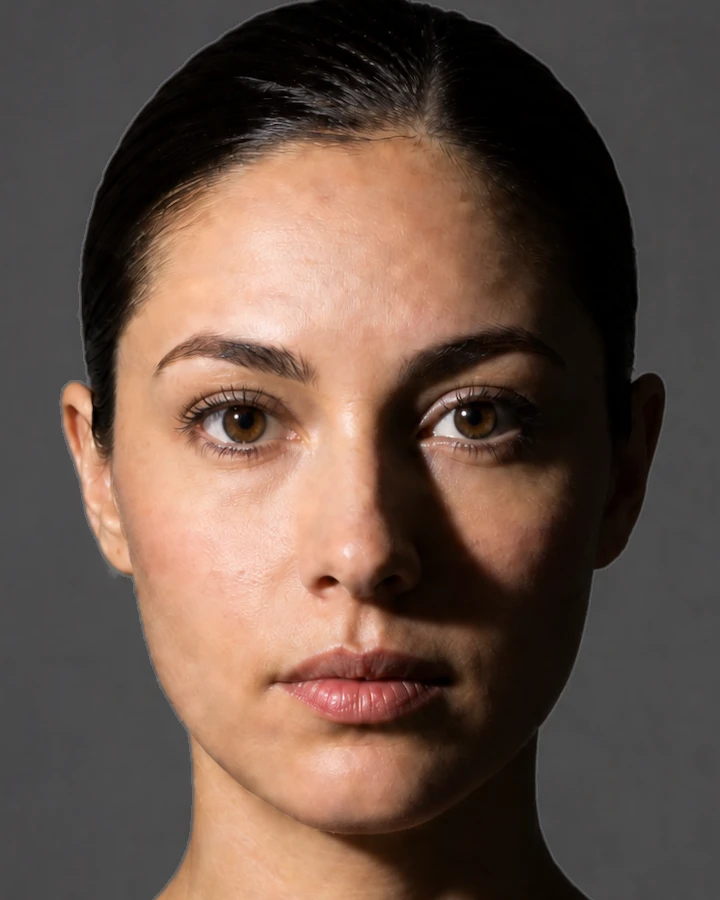
The pattern walk
One key walking round one face at five measured positions, 0.0° to 39.1° off-axis at a single key height: the page that shows loop and Rembrandt as regions of one continuous movement, separated by an event — two shadows meeting — rather than by an angle.
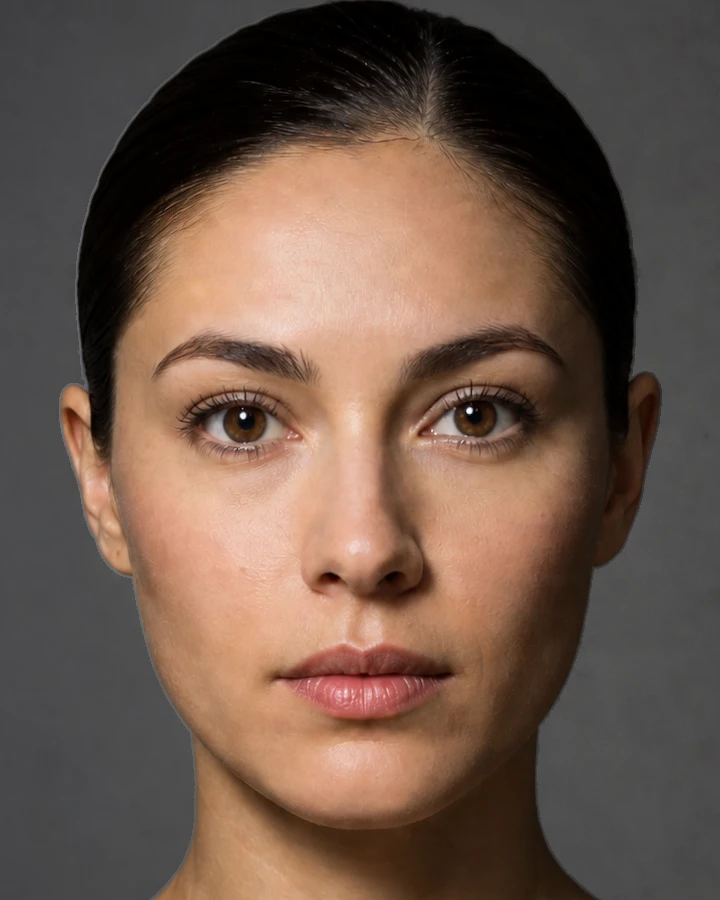
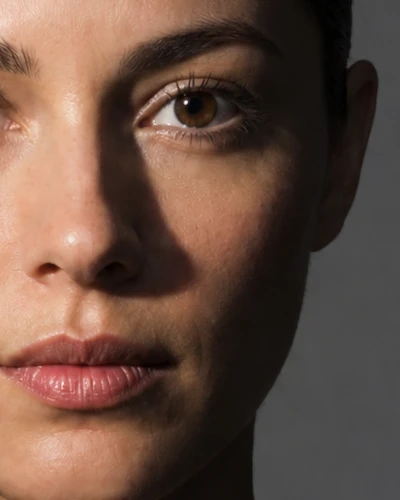
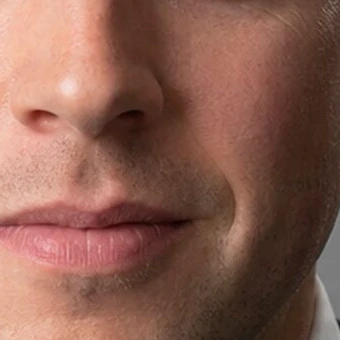
Which pattern is this?
The vocabulary's exam: frames to name, one test to run — have the nose shadow and the shadow on the cheek beyond it met? — and a name for every wrong answer. Nothing is scored.