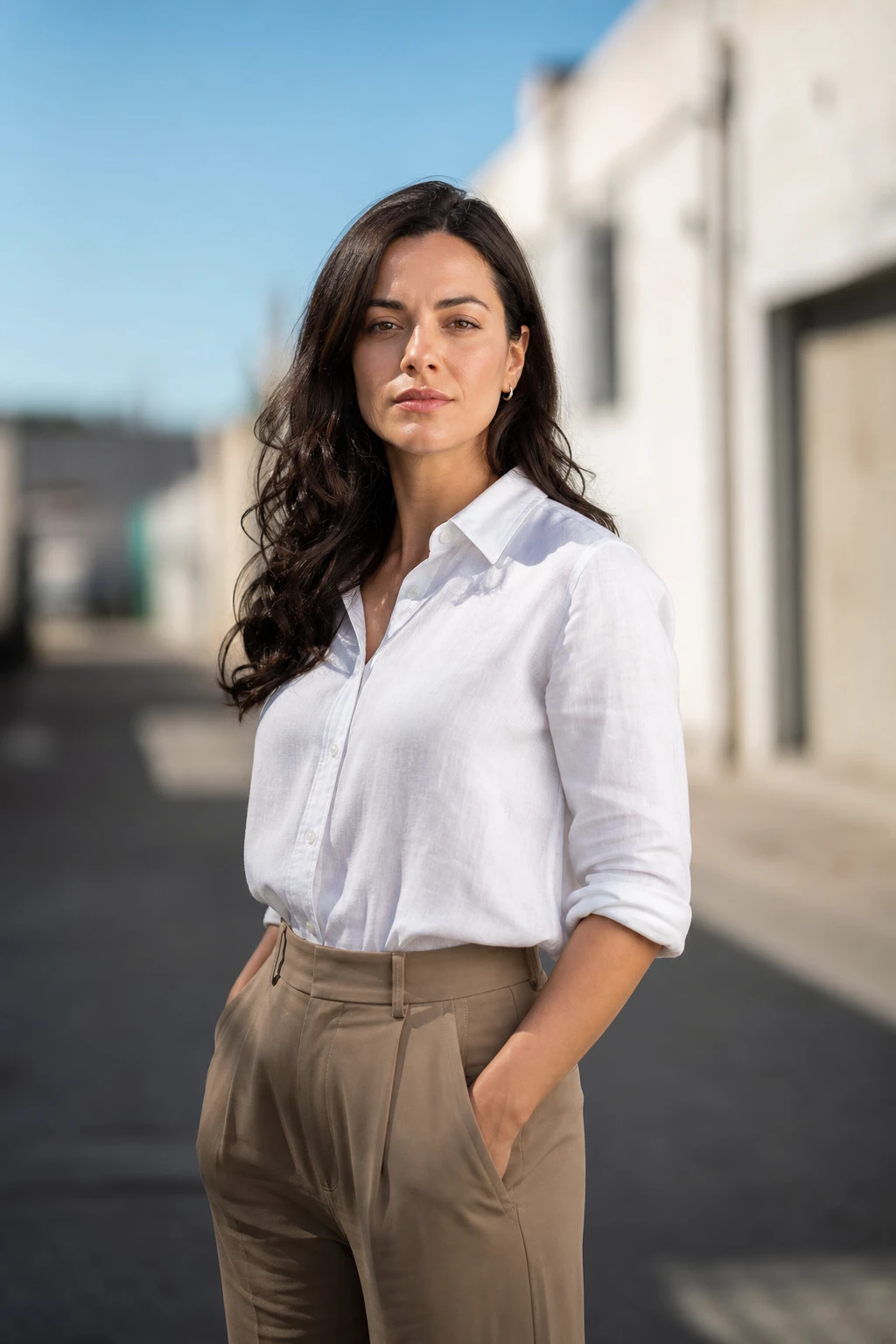
What it does
Normal sync caps around 1/200s on many bodies; beyond that, shutter would clip flash. HSS pulses or trails flash so subject can be shot at 1/1000s+ with sky still exposed.
Color & mixed light
High-speed sync (HSS) lets flash fire at shutter speeds above normal sync — hold sky color while lighting faces.
What it looks like
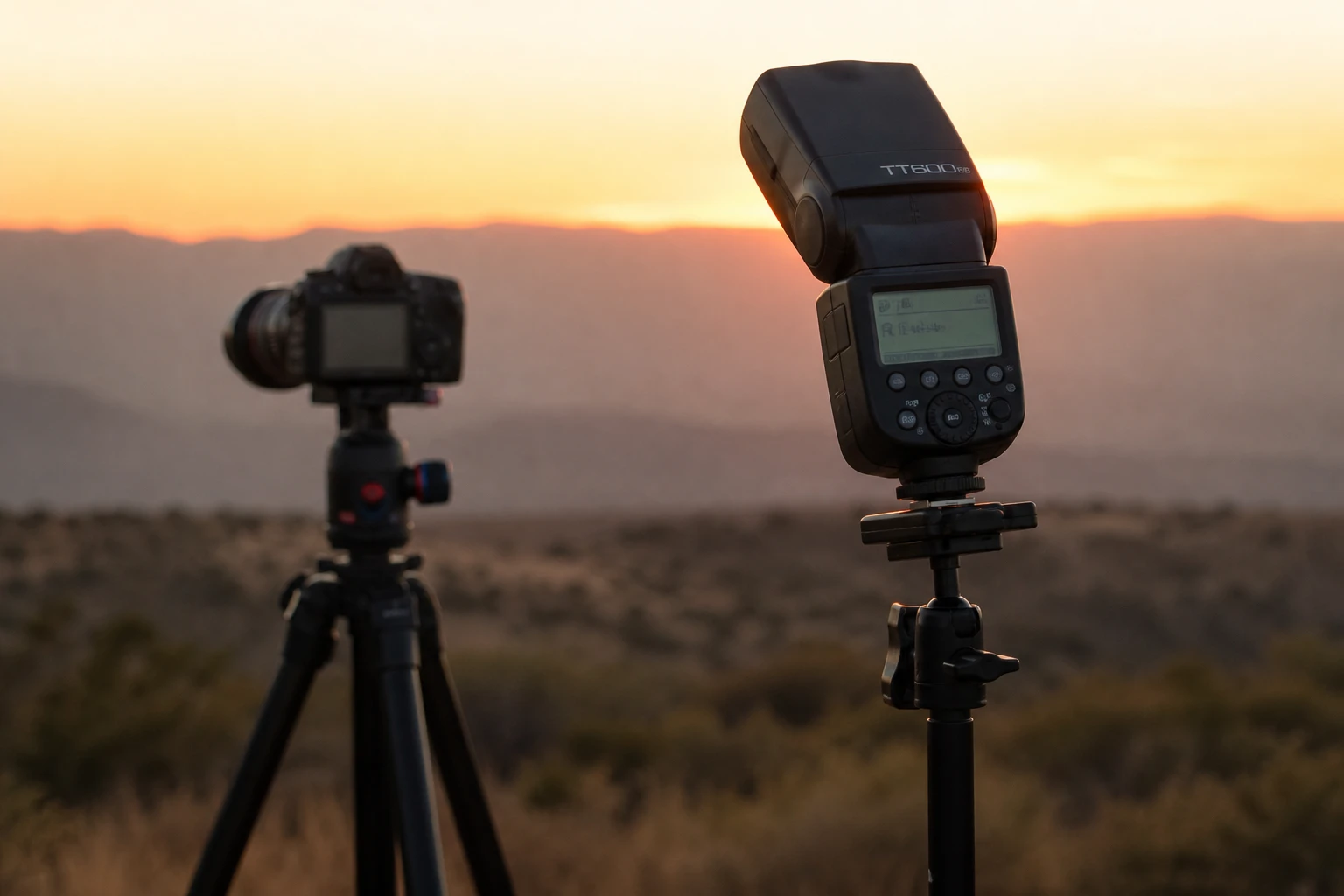
Normal sync caps around 1/200s on many bodies; beyond that, shutter would clip flash. HSS pulses or trails flash so subject can be shot at 1/1000s+ with sky still exposed.
Sunset portraits, bright outdoor fashion, any outdoor lesson balancing ambient sky + flash.
Saturated sky + lit face in same frame; without HSS, sky blows white or face silhouettes.
Meter sky for desired saturation (underexpose sky slightly for drama). Add flash in softbox close — HSS power loss is real. CTO gel flash if sun is very warm.
Expect 2–3× power loss vs normal sync; use wide aperture, multiple speedlights, or move modifier closer.
Metering flash first → grey sky. Fix: sky exposure first, flash second.
Shutter drag variant: tripod, slow shutter for clouds, HSS flash freezes subject — hybrid drama.
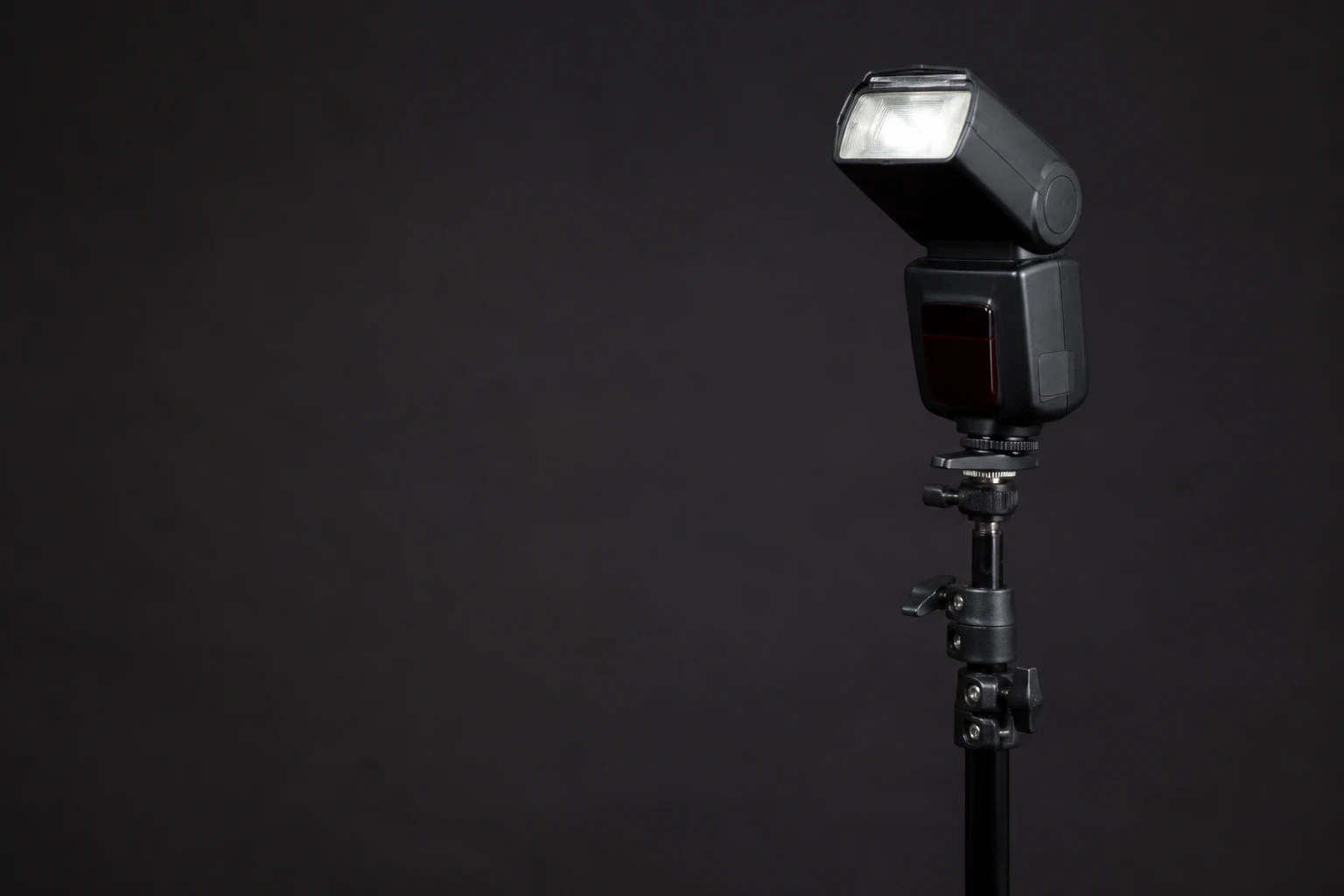
Speedlights are small battery flashes you can mount on-camera, bounce off architecture, or hide in small modifiers — the default tool for events, travel, and compact off-camera editorial.
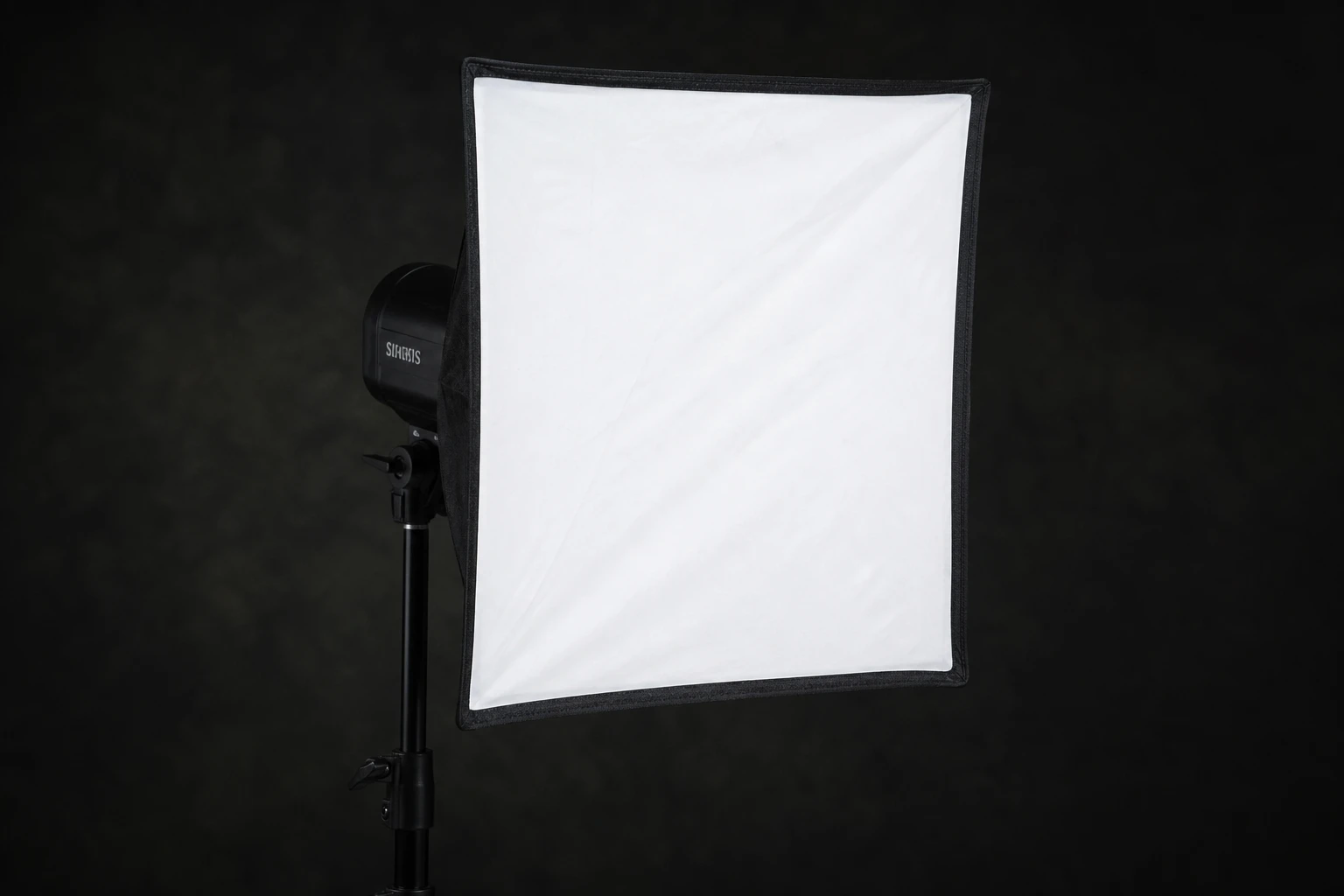
A softbox is the default directional soft modifier — rectangular or square diffusion in front of flash with controlled spill compared to umbrellas.
Strongest matches for this tool — 2 of 3 shown. Browse all in the library →

Advanced
An outdoor portrait that balances high-speed sync flash against a golden sunset sky — hard because shutter, flash power, and ambient meter fight each other.
2 lights
Outdoor
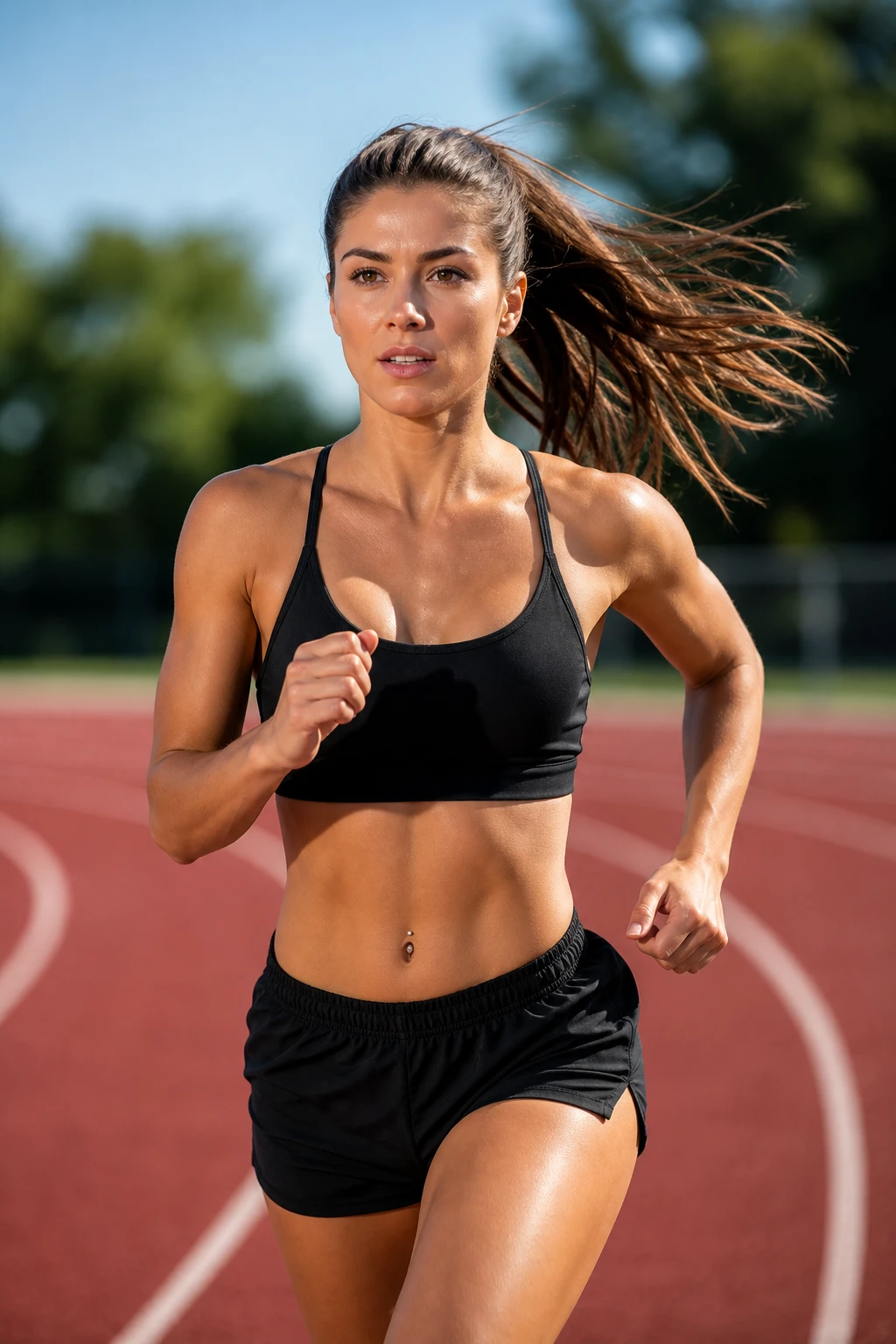
An outdoor action portrait under hard midday sun: the sun keys the face from camera-left while a close HSS softbox fill shapes the shadow side so you can shoot wide open and freeze flying hair — flash power in HSS mode is the constraint.
2 lights