What it does
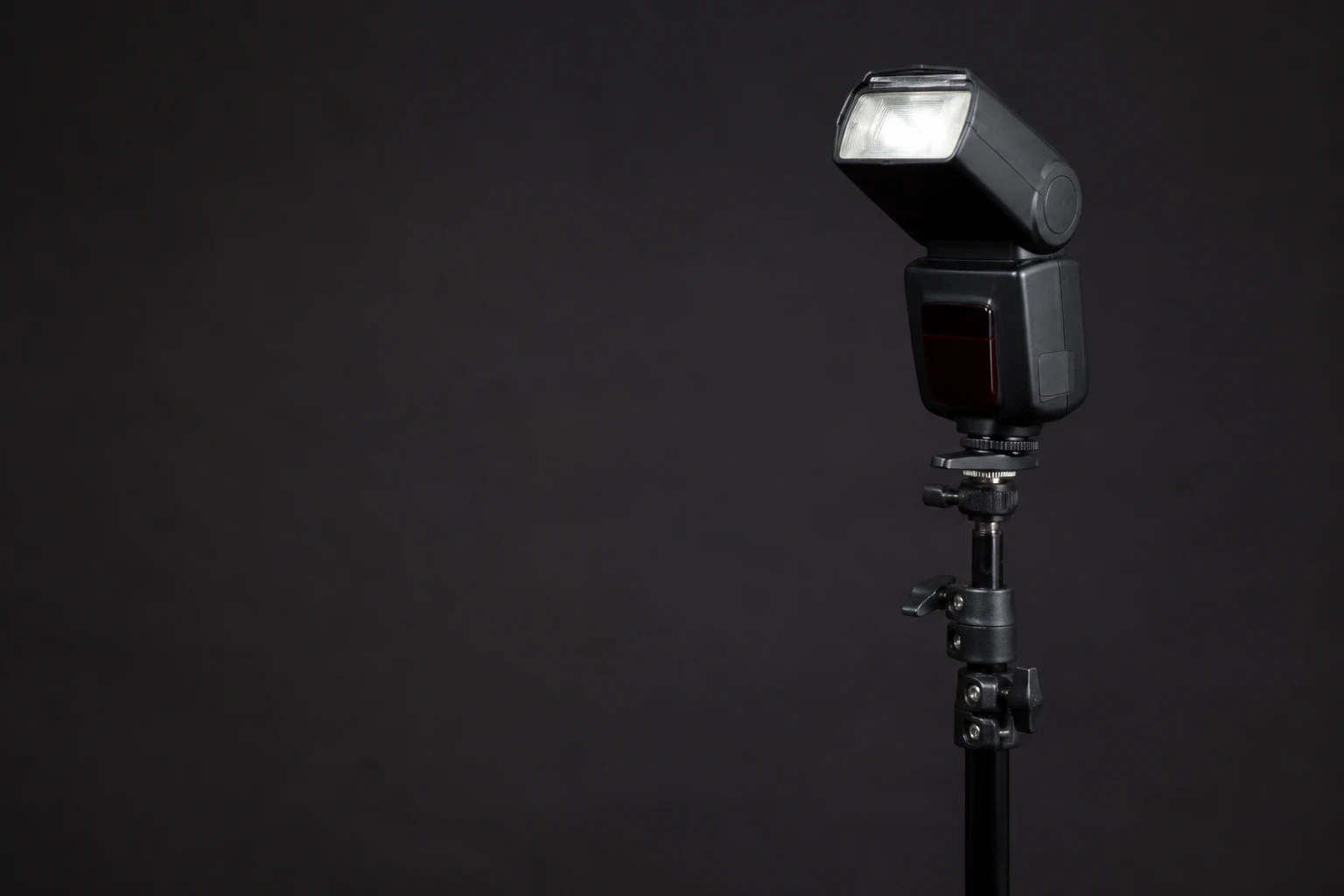
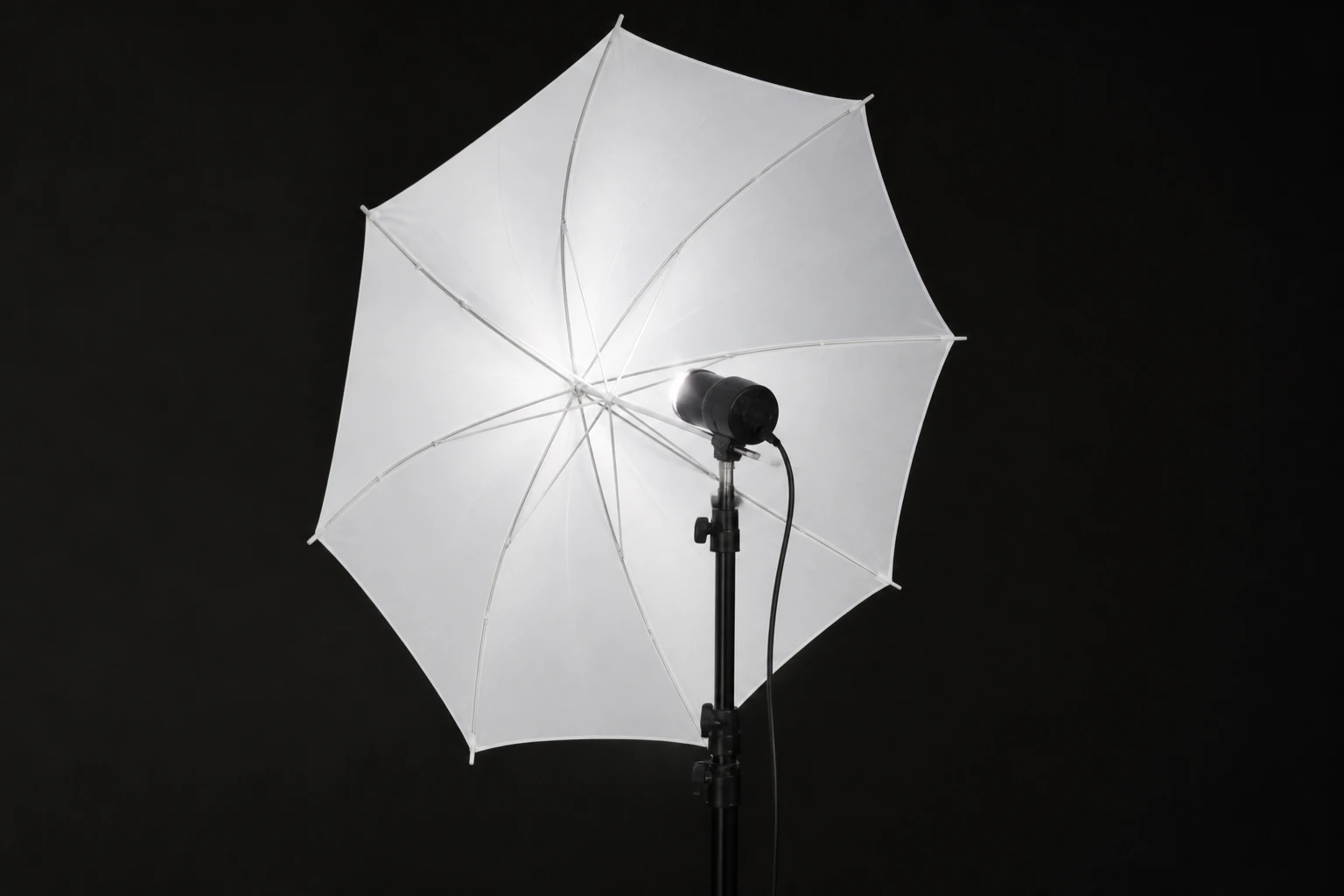
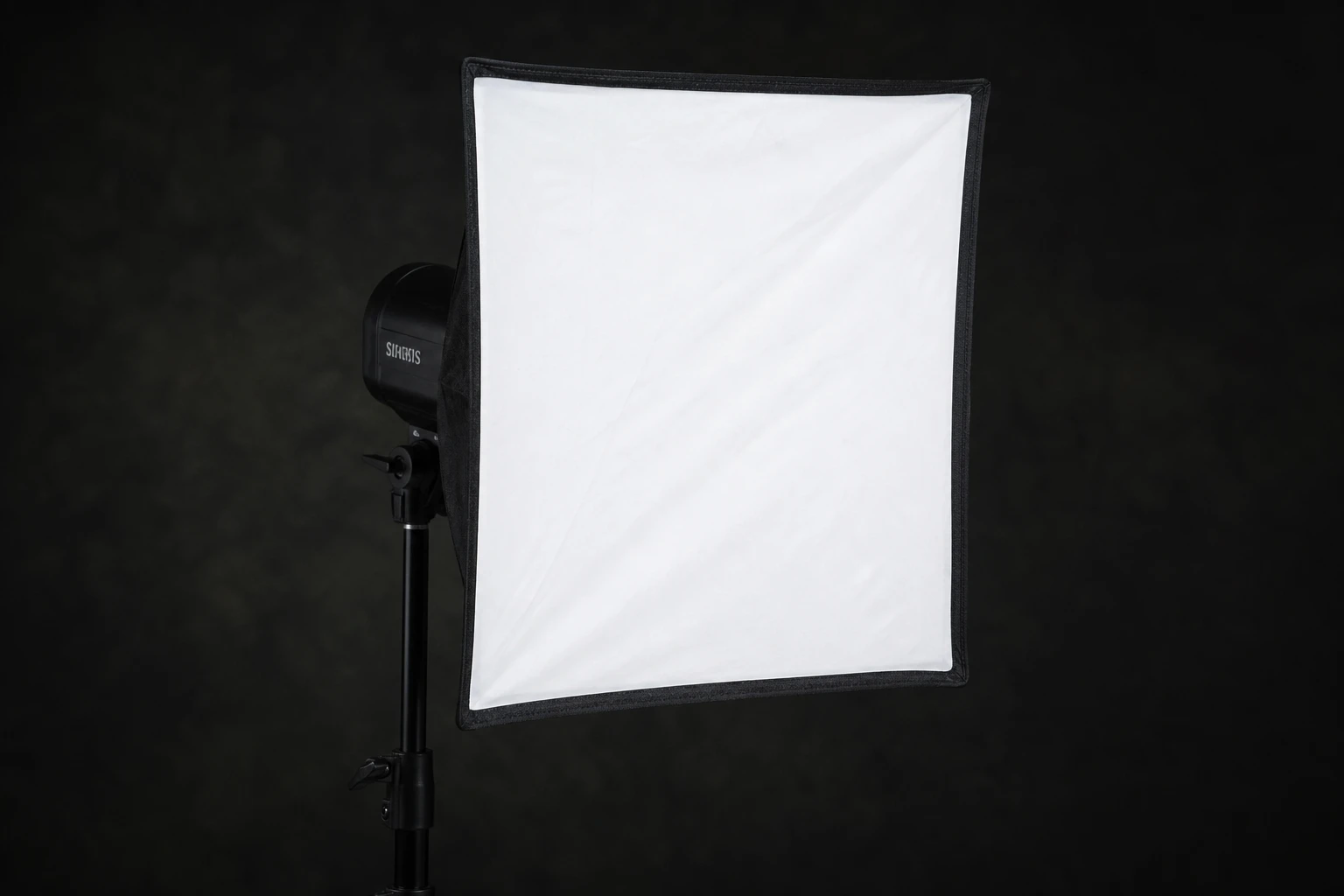
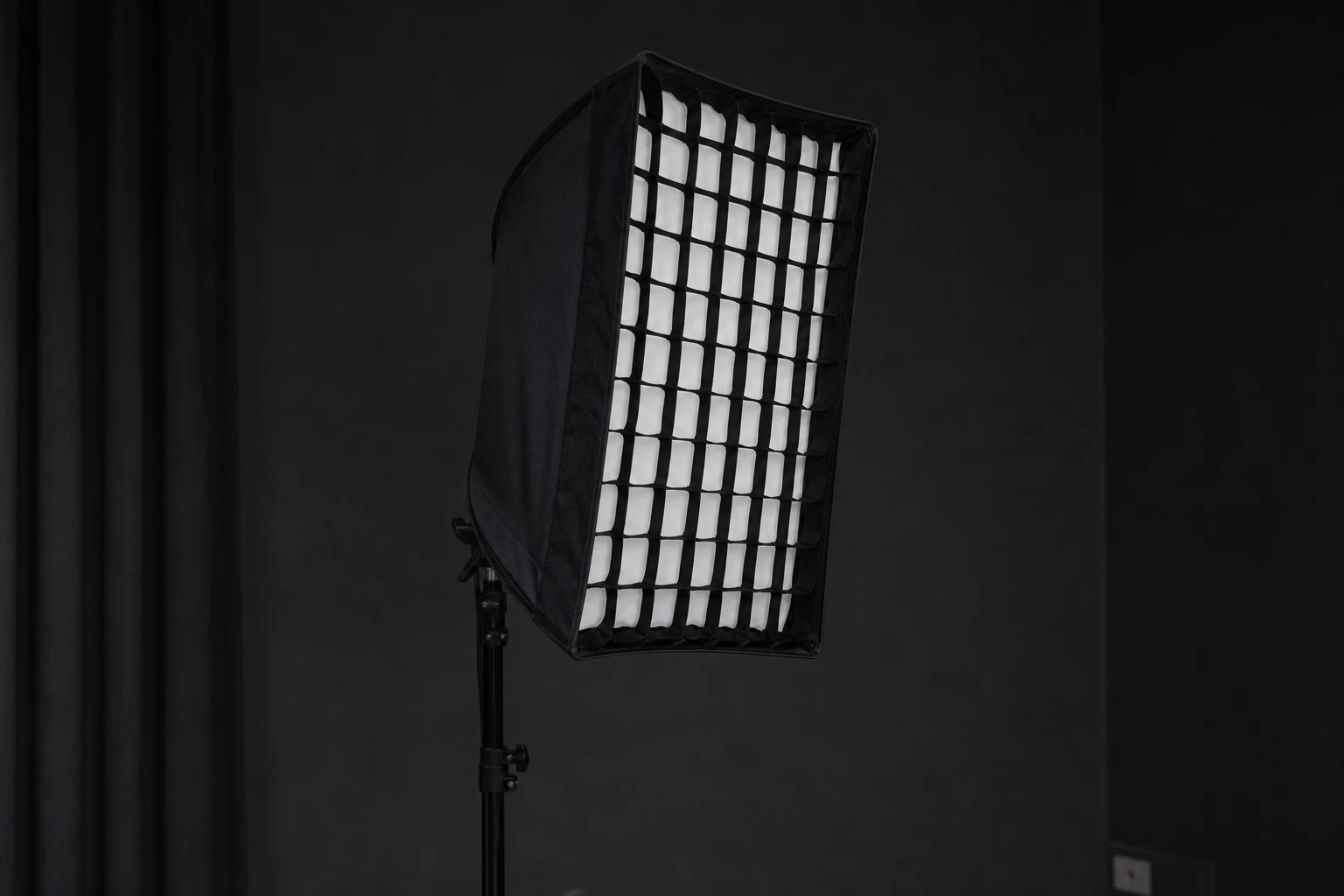
They output less power than studio strobes but win on portability. Bounce surfaces turn them into large indirect sources; diffusion domes and small softboxes tame direct flash. Off-camera with a grid gives a tight editorial key without a full studio pack. HSS-capable units can balance against bright sky when you accept the power tradeoff.
When to use it
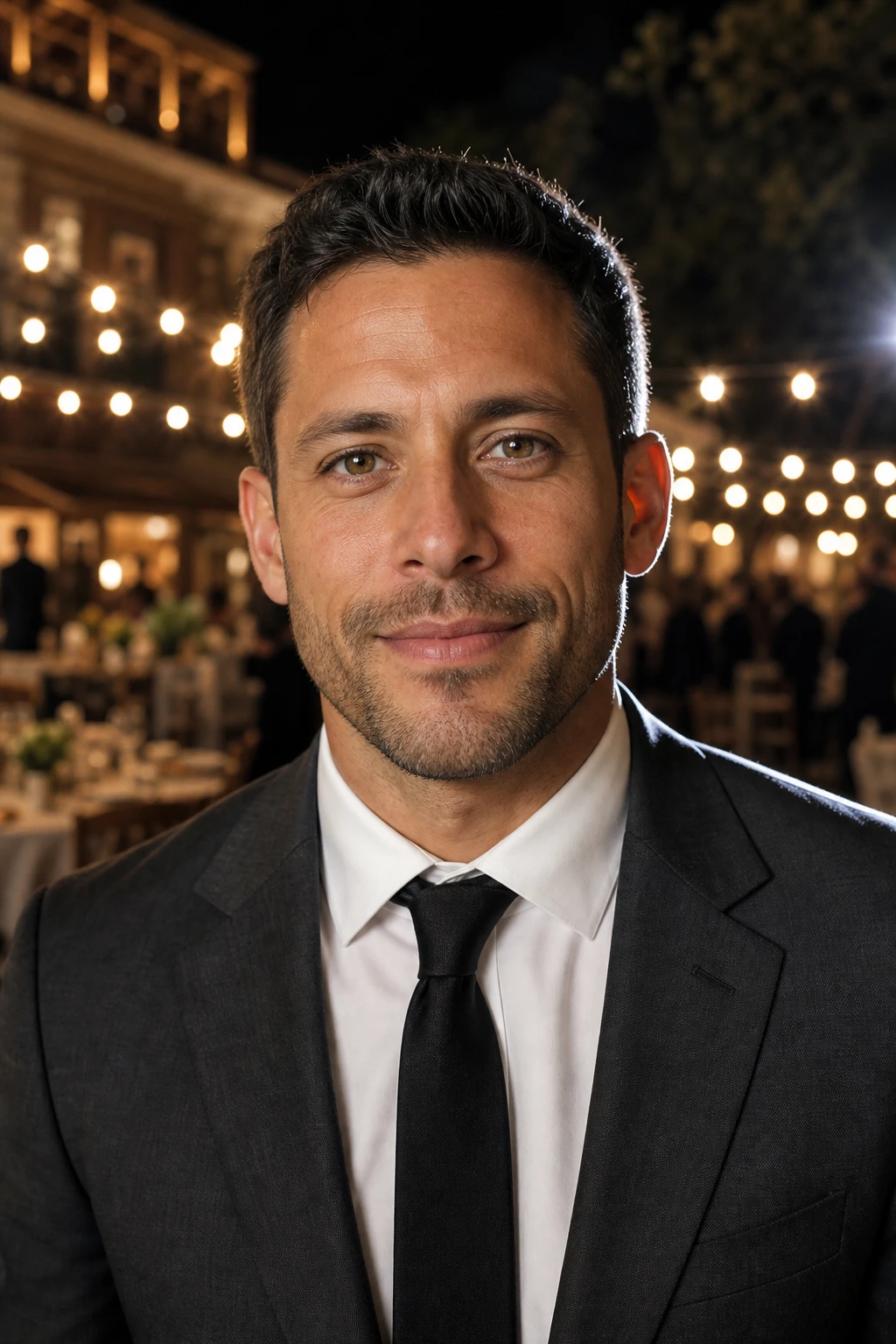
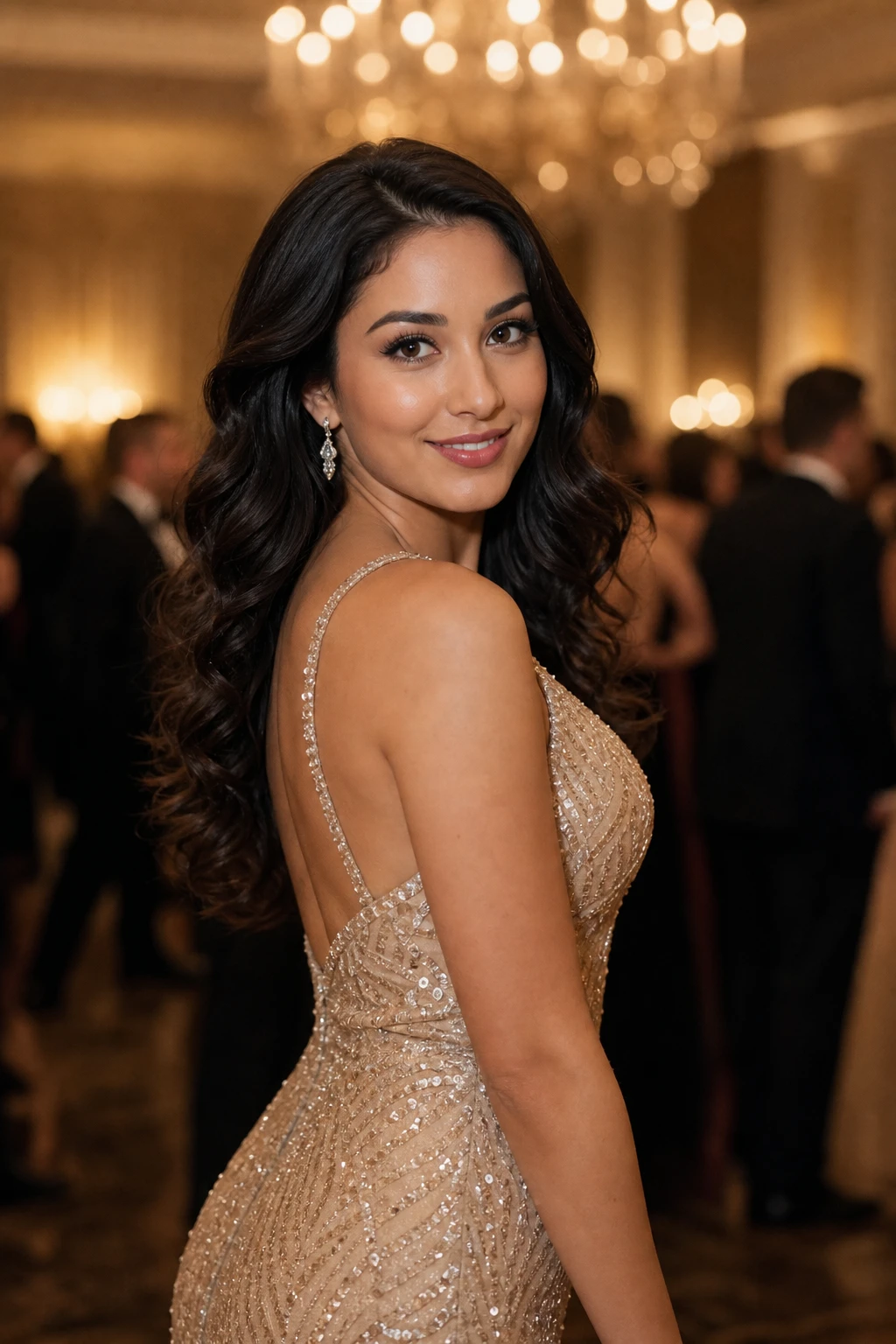
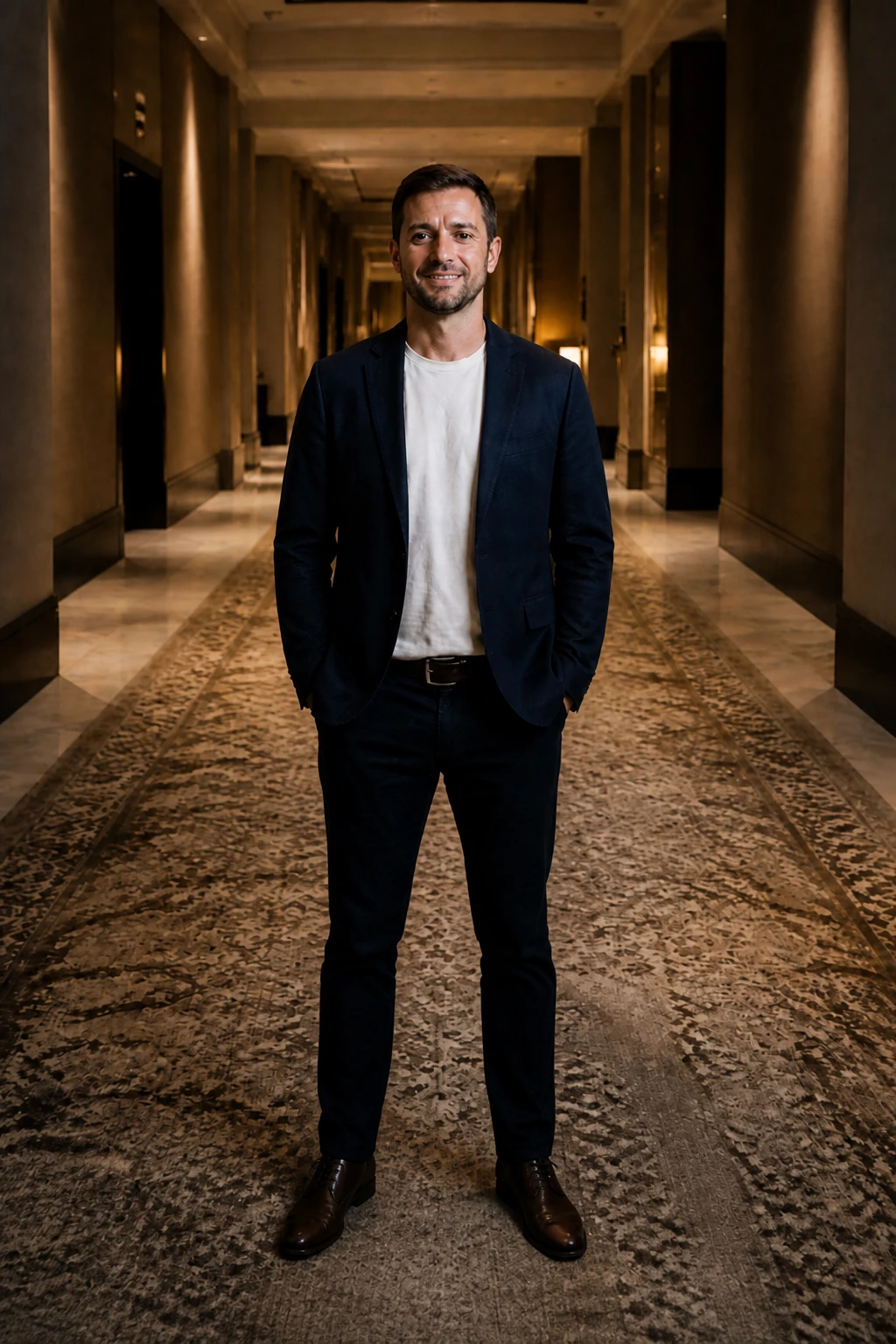
Weddings, receptions, corporate walk-throughs, travel portraits, beginner studios, and compact fashion/editorial when you need a gridded OCF key without mains power.
What to look for in the photo
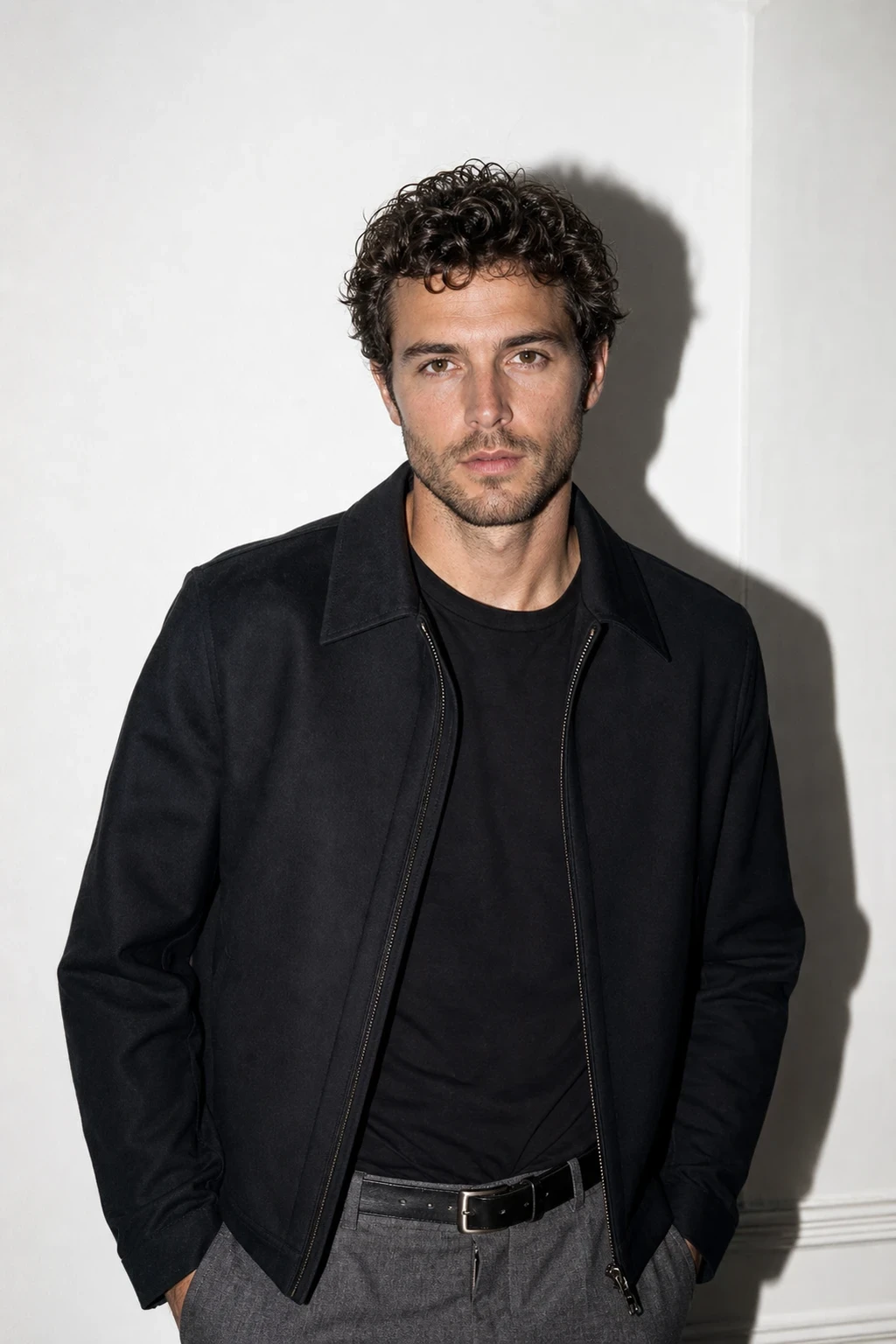
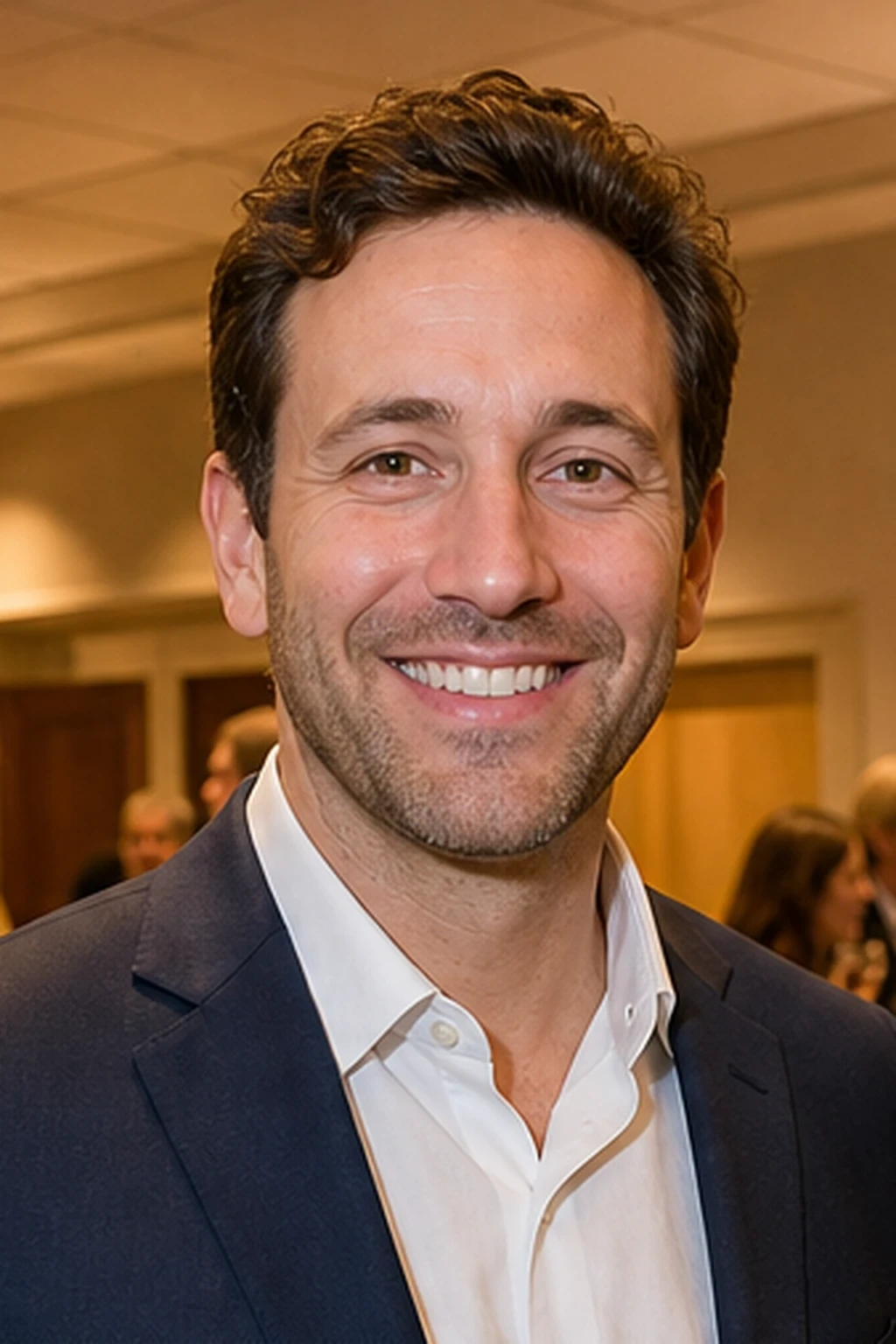
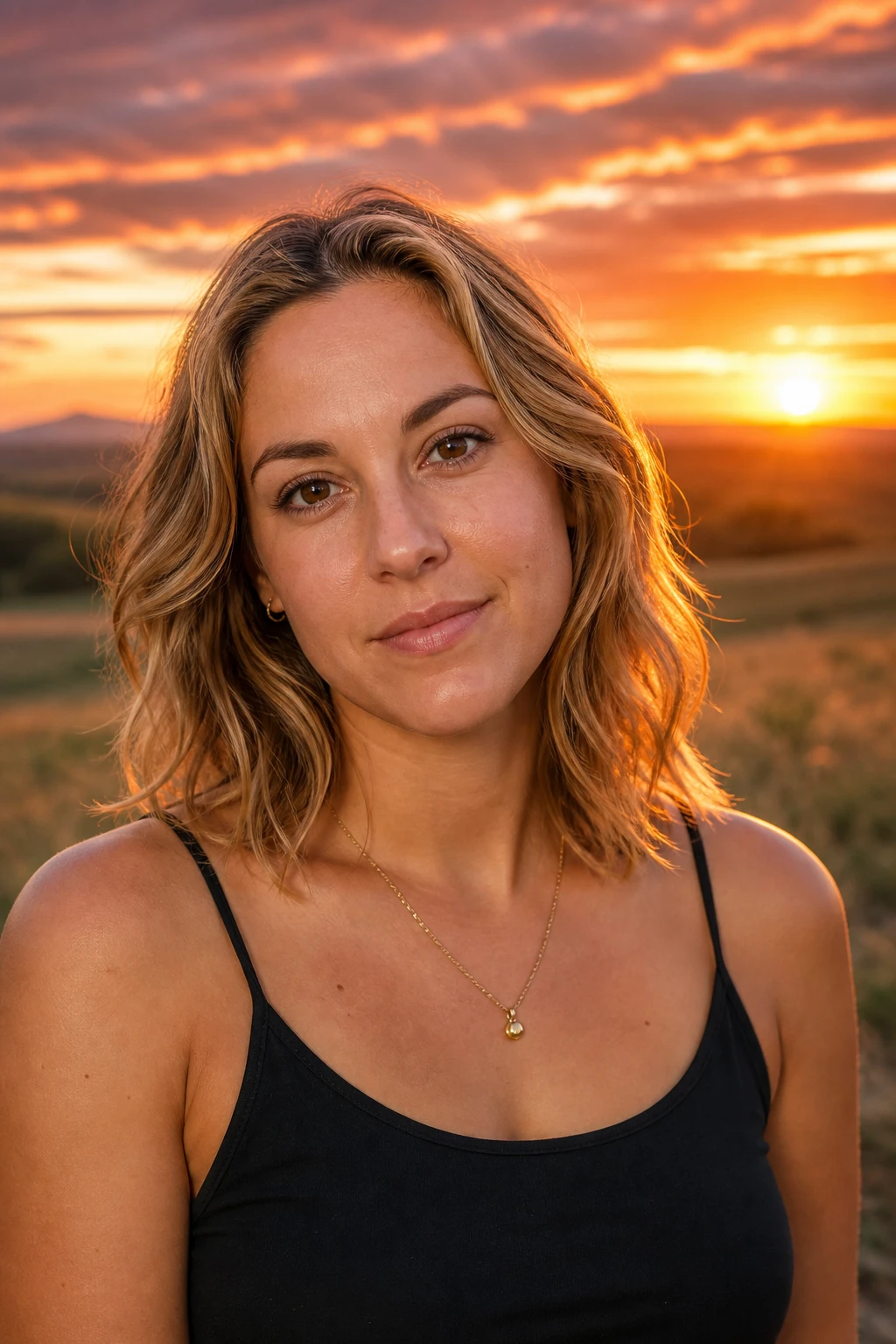
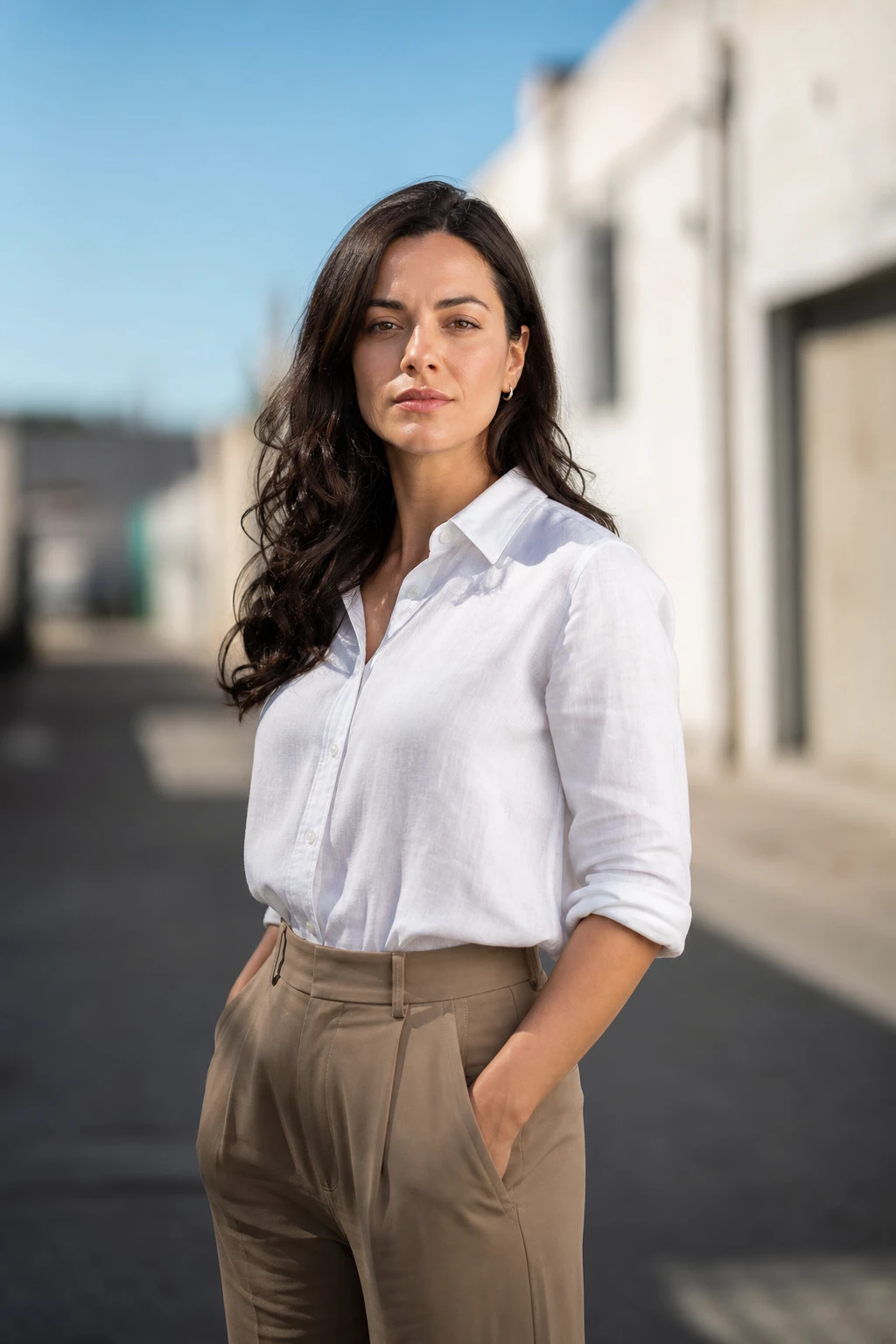
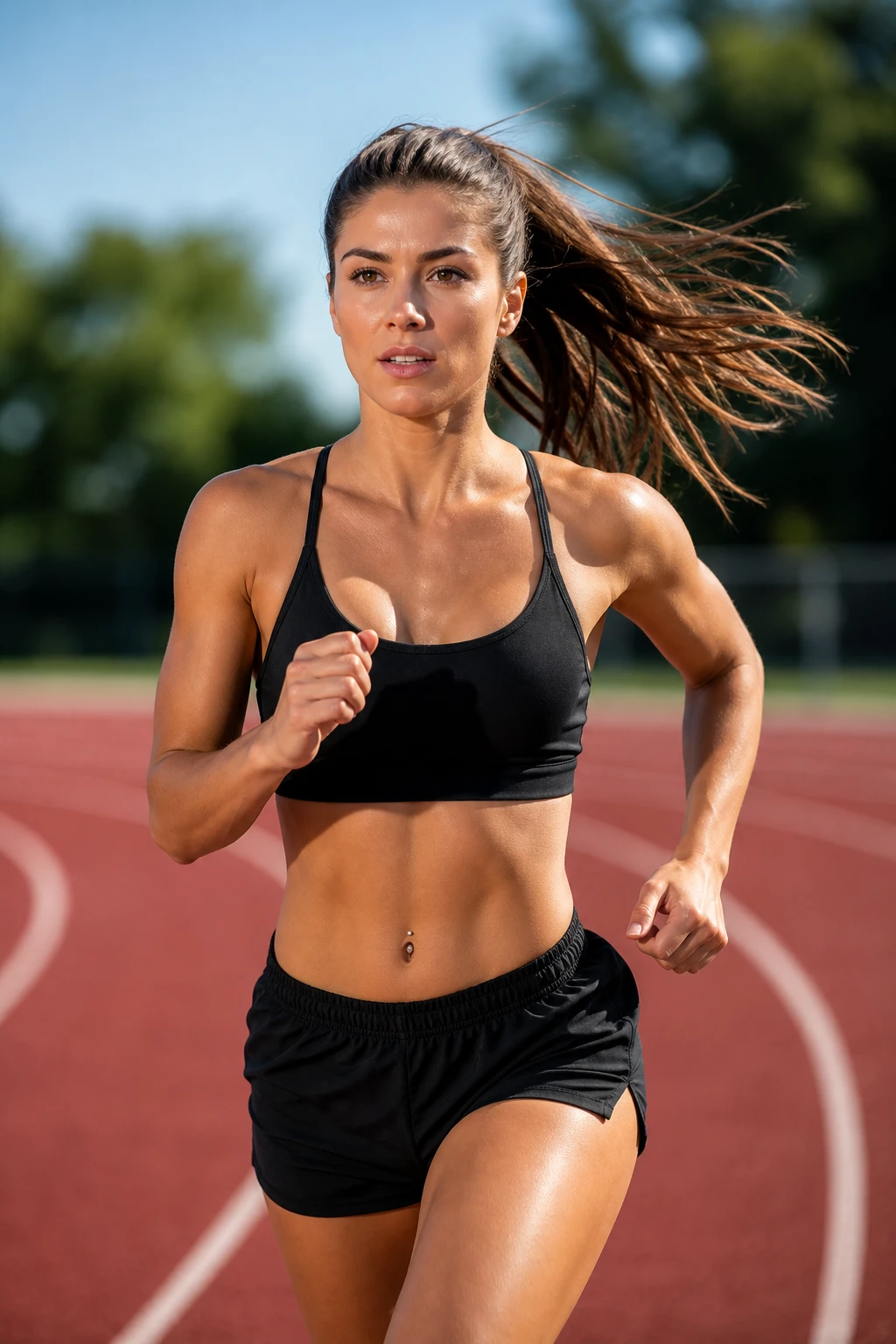
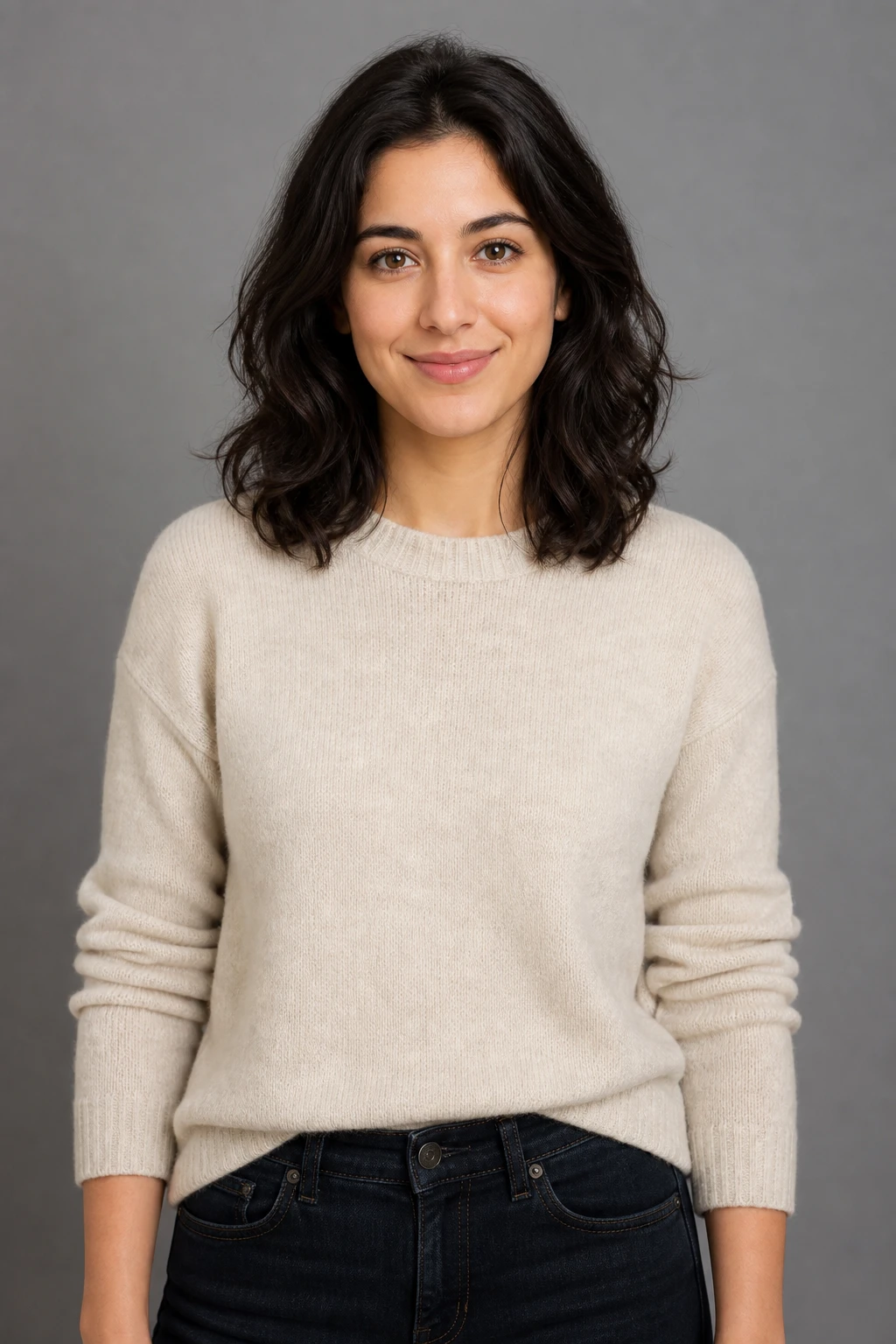
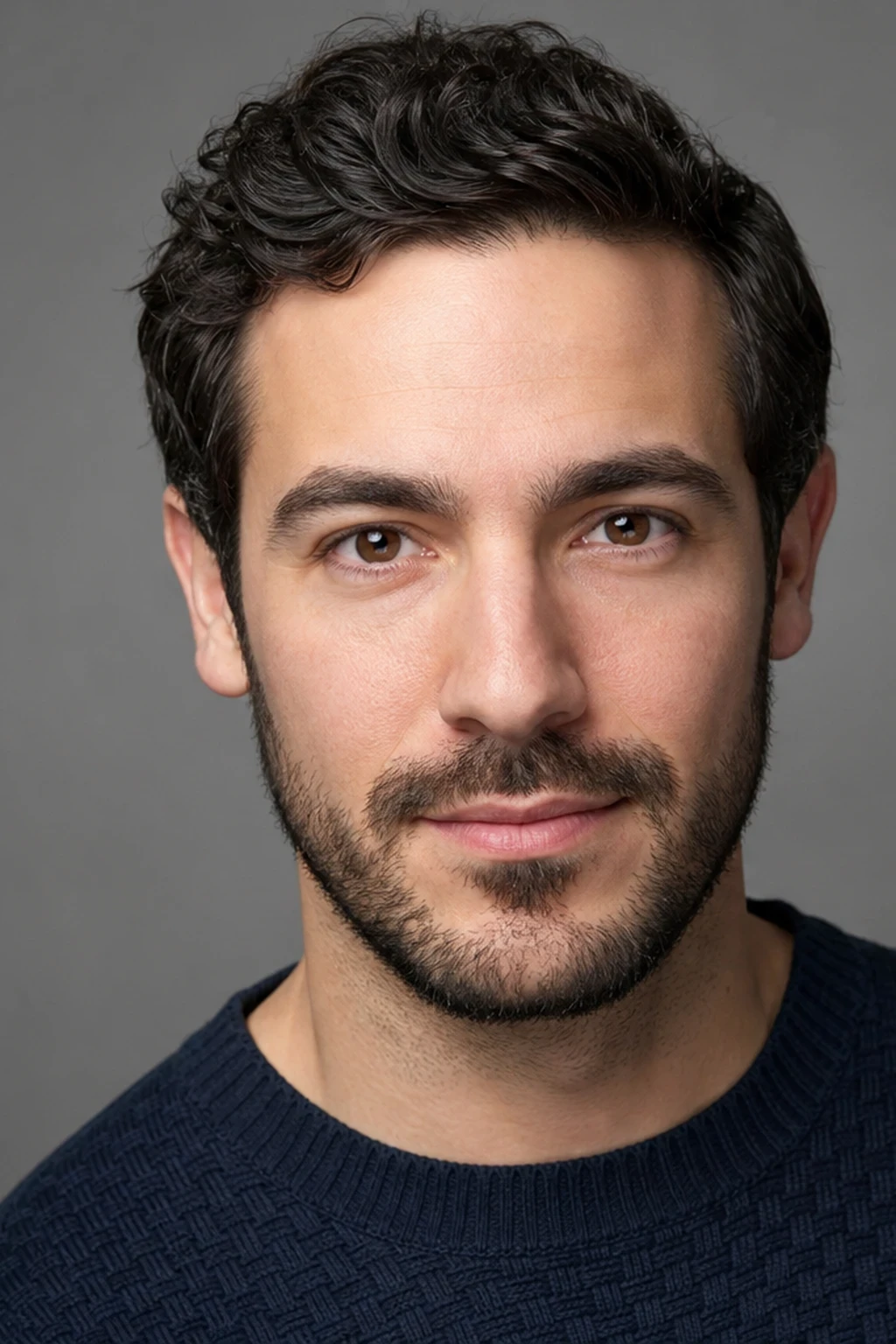
Bounced speedlight: soft top-down fill with ceiling texture sometimes visible in catchlights. Direct speedlight: hard nose shadow, shiny skin hotspots, obvious “flash look.” Gridded OCF: small hard catchlight, controlled spill, dark background stays clean.
Placement basics
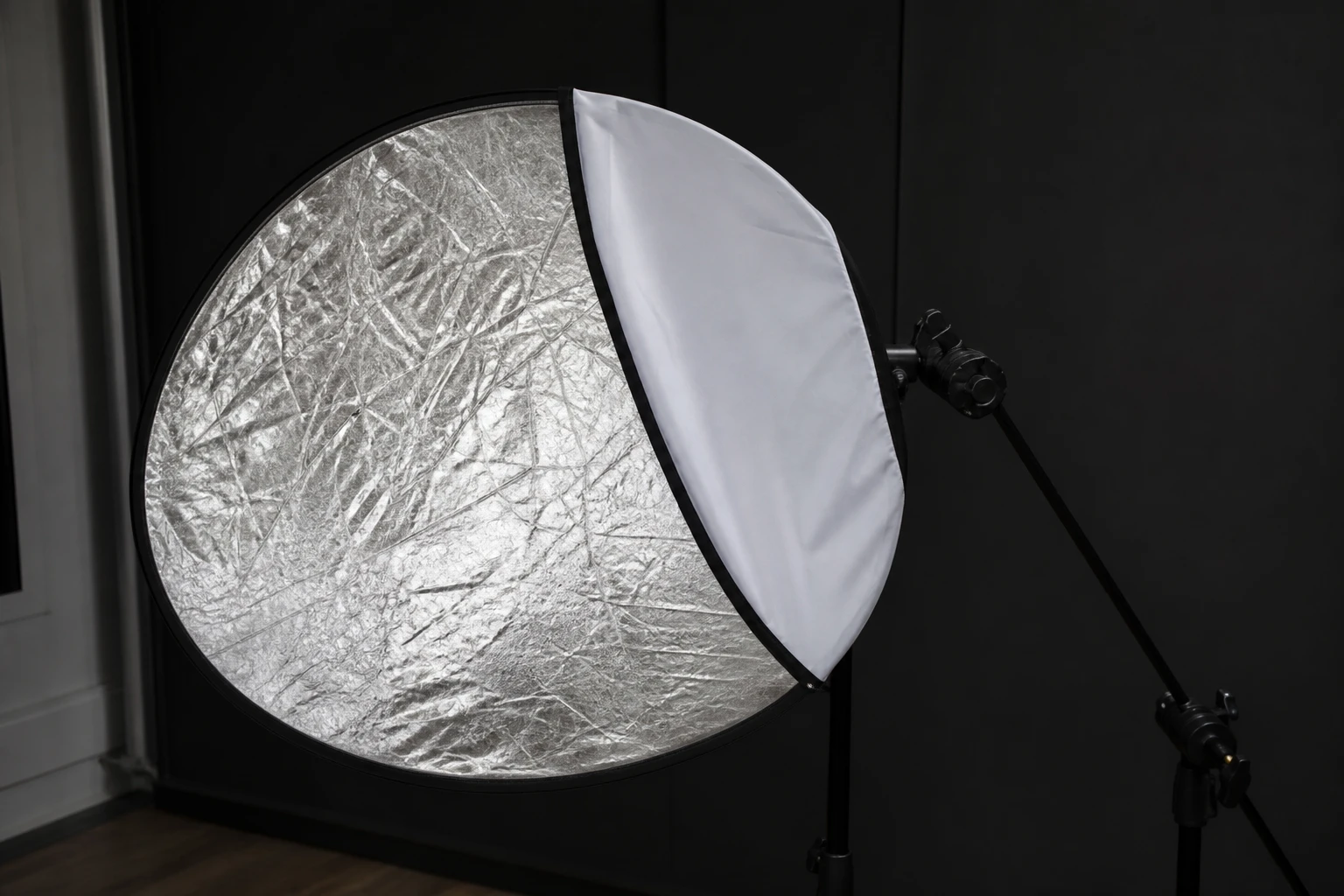
For events, try ceiling bounce first (neutral white), then wall bounce for side shaping, then add a white reflector on the shadow cheek. Off-camera editorial: speedlight + grid at 30–45° camera-left, feathered across the face; optional gridded rim behind for hair separation.
Distance & power
Bounce eats power — expect ISO 800–1600 indoors. OCF grid work often needs the modifier within 1–1.5m. Use manual flash once you know the room or studio ratio; TTL is a starting point, not the lesson.
Common mistake
Bouncing off cream or wood walls and wondering why faces look orange — or using open flash when the lesson is a gridded editorial key. Fix: neutral bounce surfaces, manual power, and grid before you add flags.
Pro tip
In low ceilings, bounce is softer; in tall hotel atriums, bounce may fail — switch to OCF softbox/grid or direct + reflector.
Practice on set
- Shoot one direct on-camera frame to see the hard flash look.
- Repeat with ceiling or wall bounce and compare catchlight shape.
- Move flash off-camera with a grid for a controlled editorial key on dark background.
- Add a second gridded rim only after the key exposure is locked in manual.
Pairs well with