What it does
Thin highlights wrap rims and background objects; saturation is strong because the source is colorful and specular. They are poor frontal keys unless heavily diffused — their strength is separation and mood.
Light sources
LED tubes (often RGB) paint edges and environments with line-shaped color — staple of neon-room portraits and music/editorial sets.
See it in a real setup
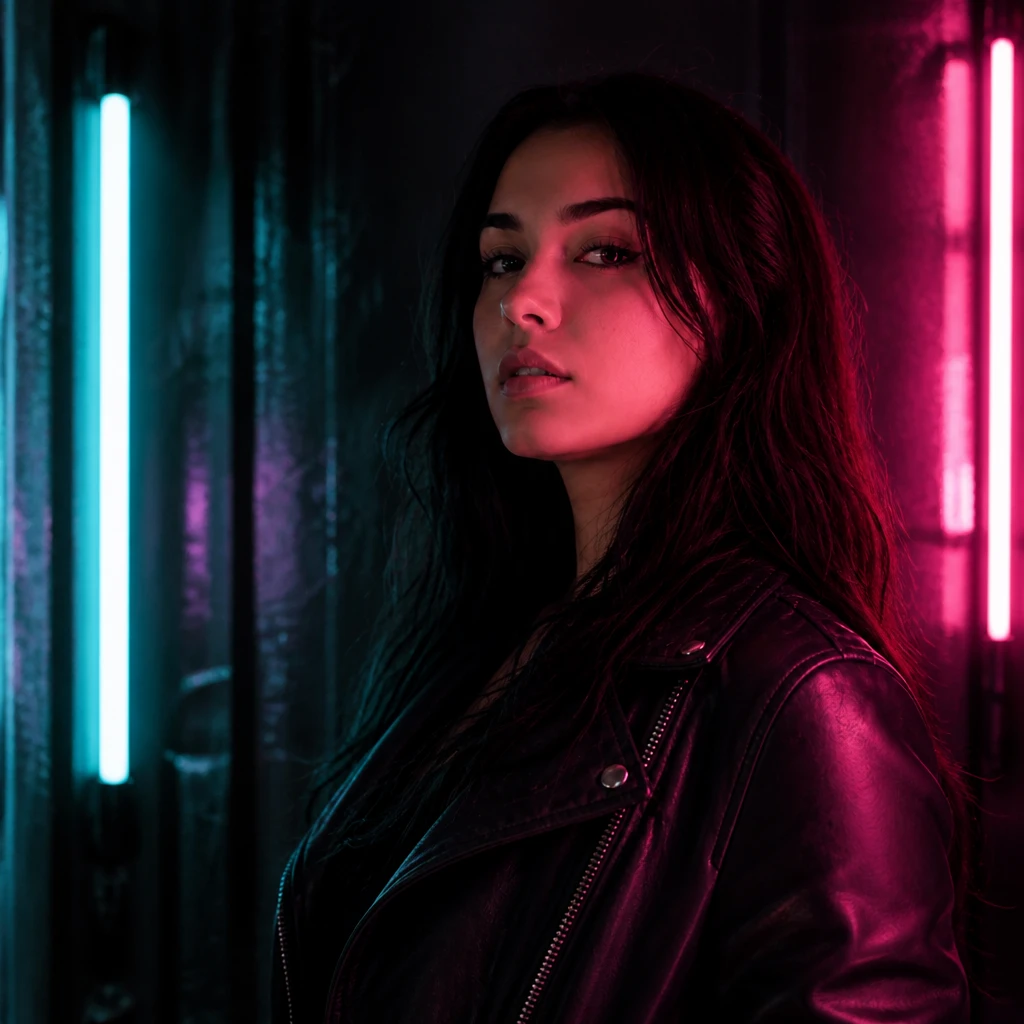
Best example in this library
Colored RGB tubes as practicals in a tight room. Moody, modern, cyberpunk.
Open setup board →
What it looks like
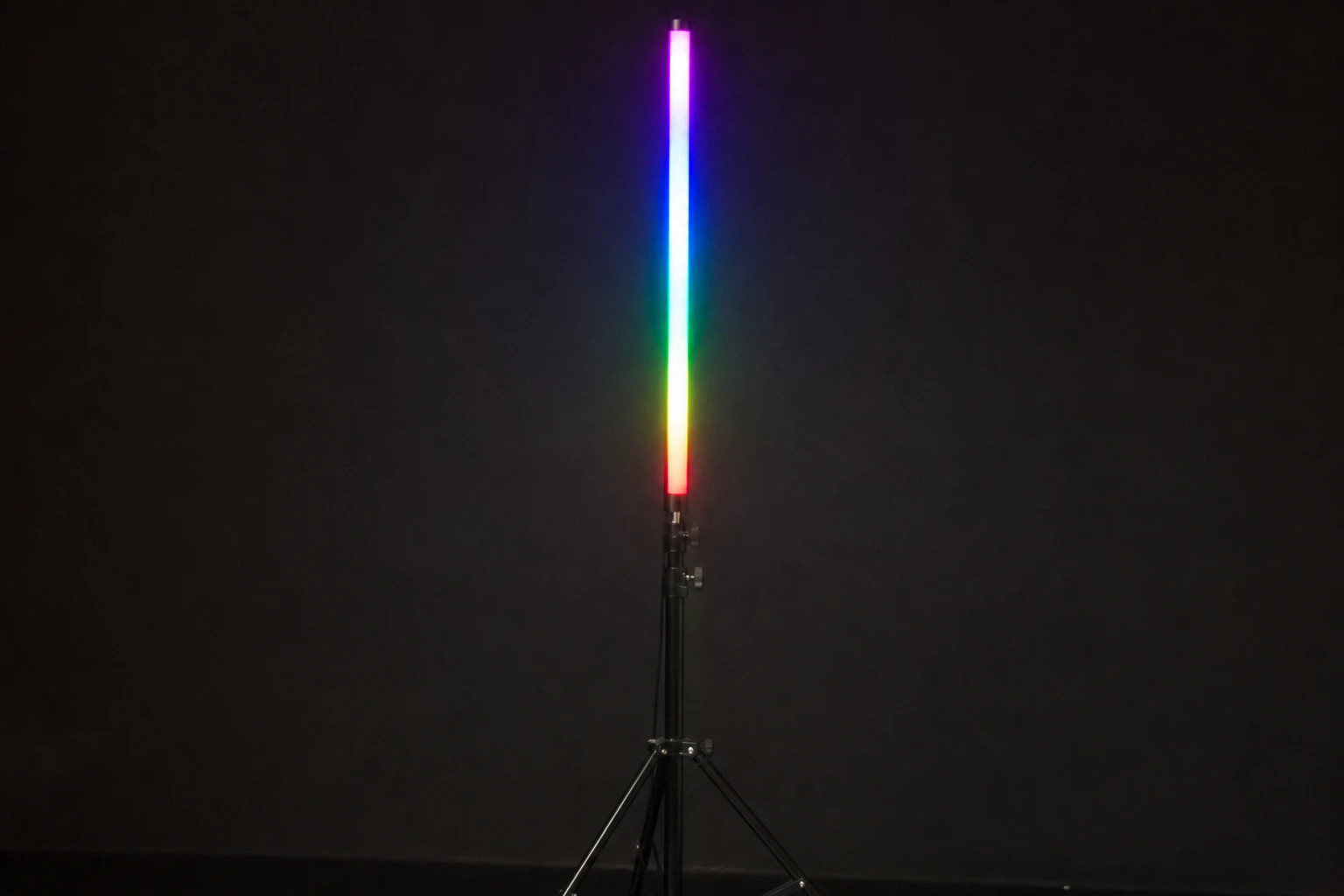
Thin highlights wrap rims and background objects; saturation is strong because the source is colorful and specular. They are poor frontal keys unless heavily diffused — their strength is separation and mood.
Neon rooms, cyberpunk fashion, music promos, and opposing-color rim lessons with a neutral key.
Colored edge lines on hair/jacket; reflections in glossy props; background gradients; face should often stay more neutral than the environment.
Hide tubes behind subject or furniture; flag direct view into tube from camera. Gel or power-down until rims kiss the edge, not flood the cheek.
Low power on tubes relative to key; color reads faster than brightness. Use grids or flags to stop tube flare in lens.
Letting tube become accidental key on nose. Fix: flag tube toward background, add neutral soft key on face.
Complementary rims (teal/orange) read instantly — keep skin exposure neutral so color story stays on edges.
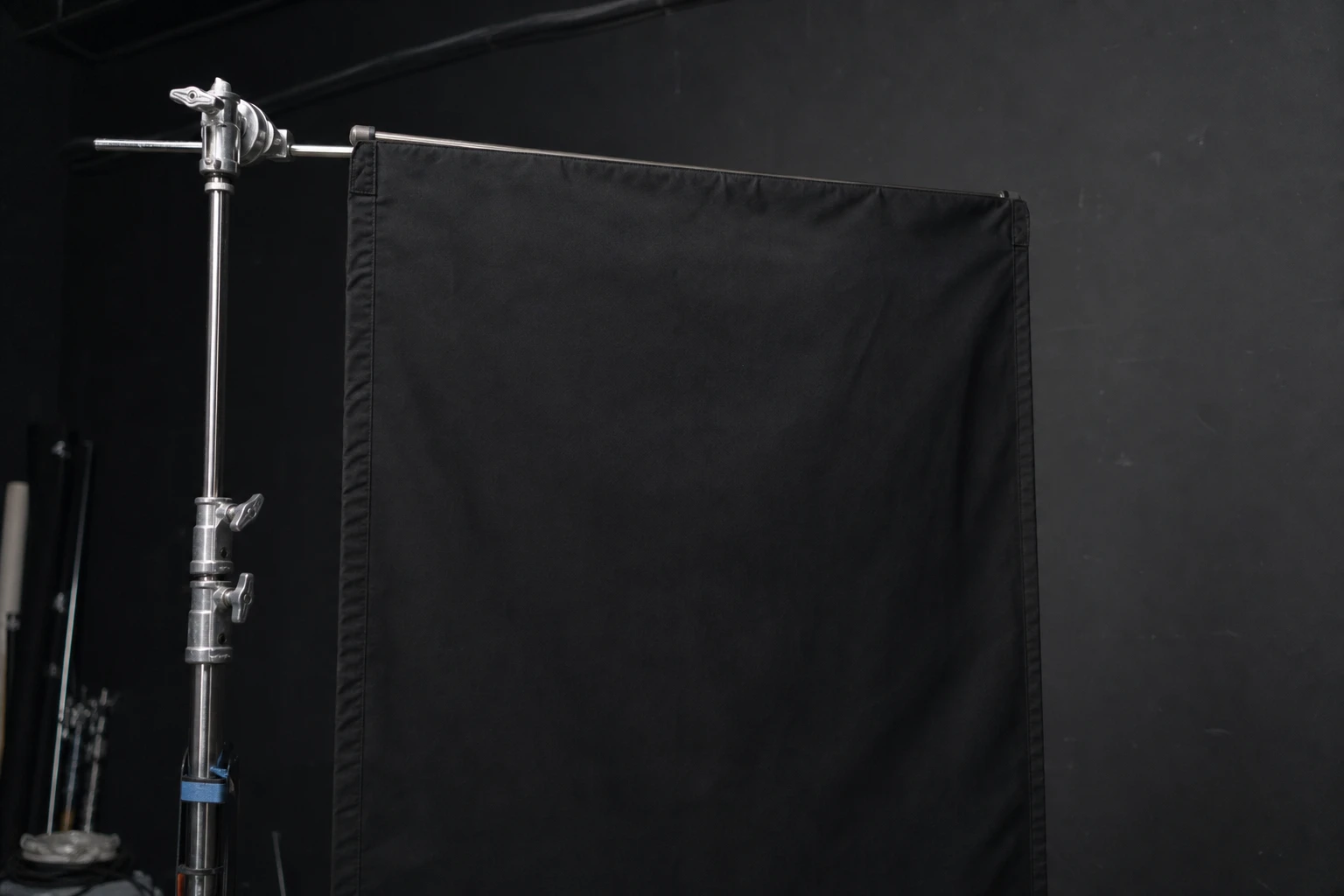
Flags (cutters, barn doors, black flats) block light — they subtract instead of add.
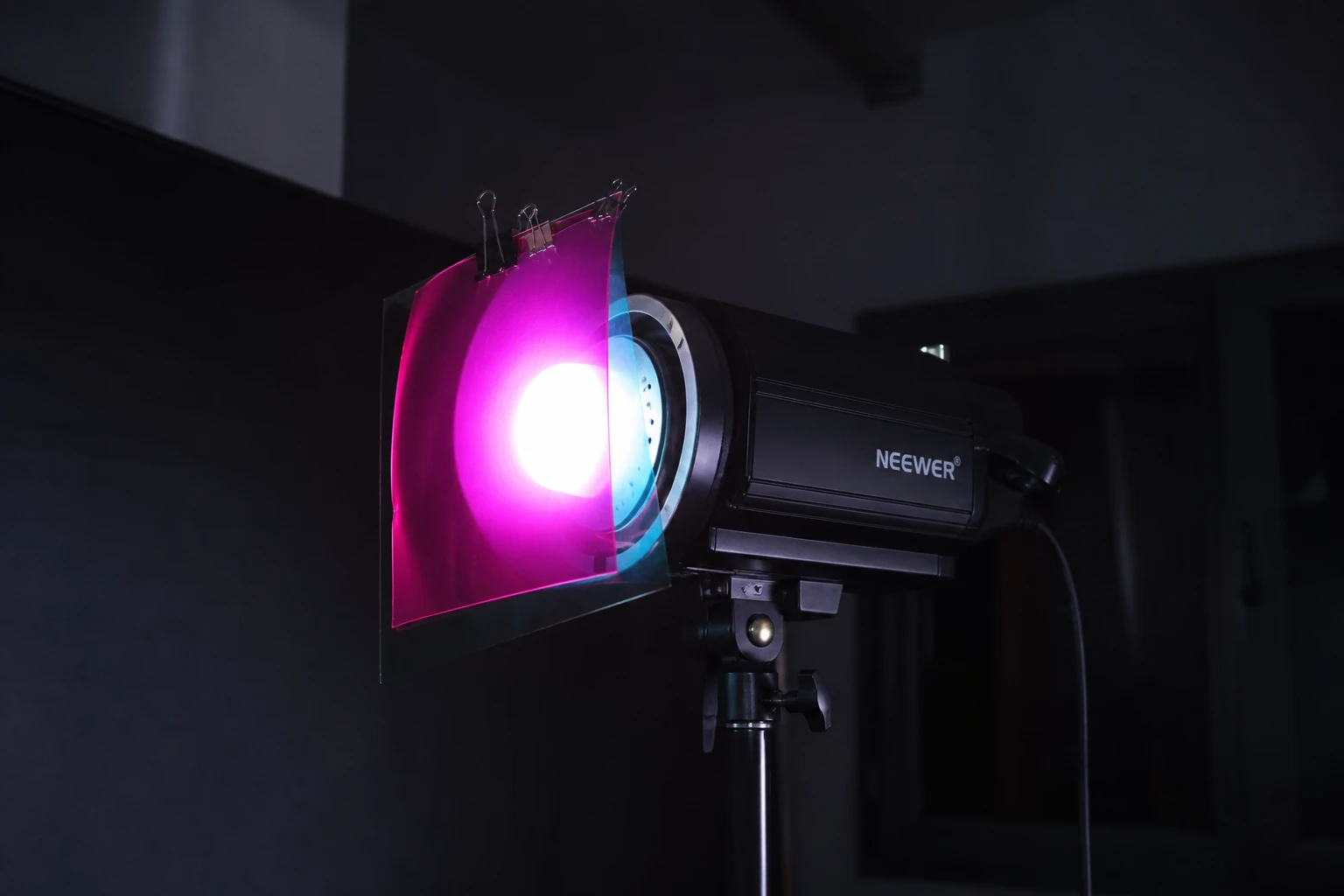
Gels shift the hue of a light source — rims, backgrounds, and mood without repainting the room.
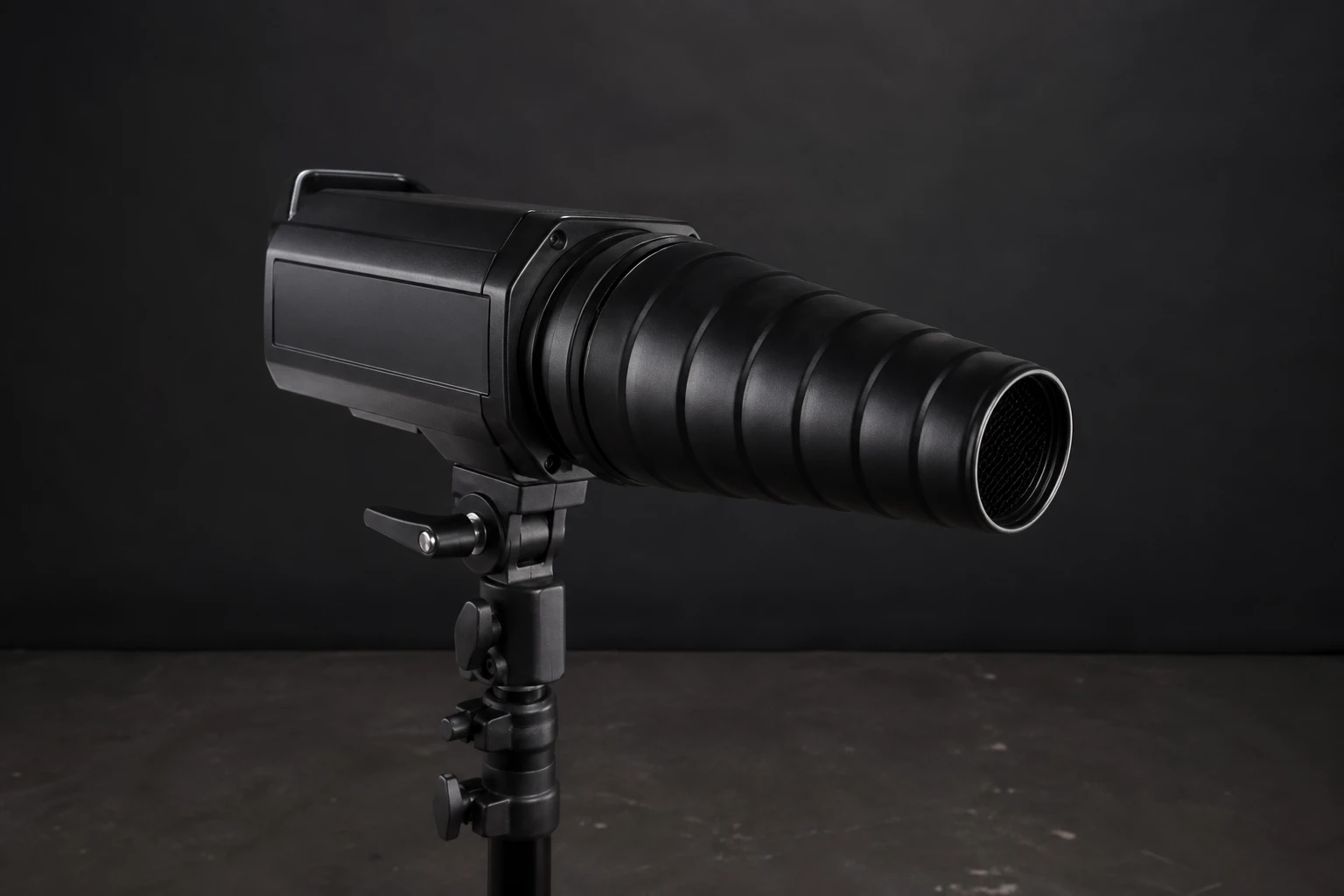
Snoots choke light into a small circle — surgical pools for drama, hair lights, and cross-light kickers.
Strongest matches for this tool — 5 of 6 shown. Browse all in the library →
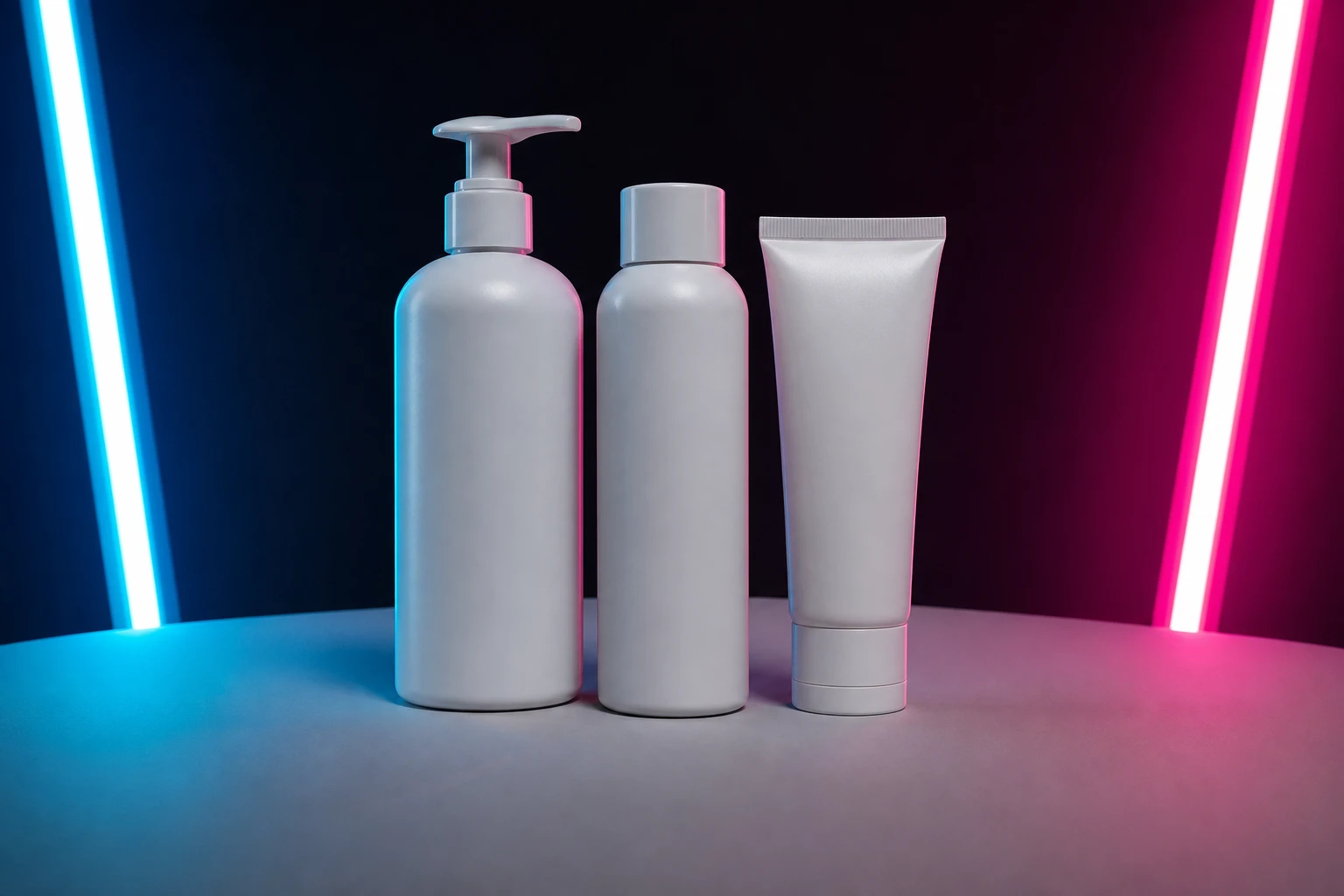
Commercial
Two RGB tube lights behind a hero product paint a complementary color wash on the background while a gridded front key keeps the label plane neutral and readable.
3 lights
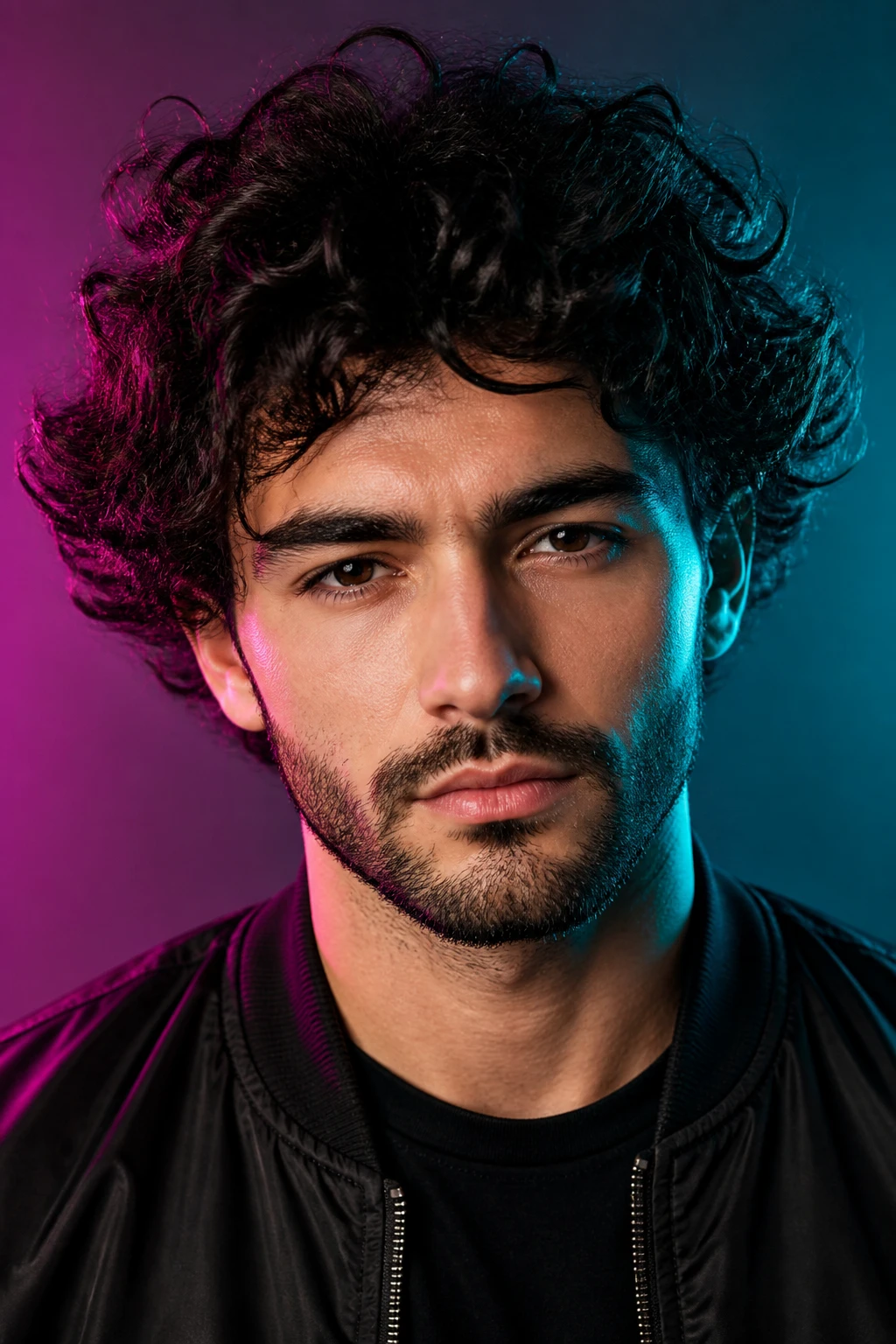
Editorial
A softbox key from camera-left with separate magenta and teal gel lights that paint the background and wrap the hair and shoulders for modern editorial color contrast.
3 lights

Cinematic
An RGB tube light rims the subject from behind while a warm desk lamp provides the motivated key on the face for a creator-style cinematic portrait.
2 lights
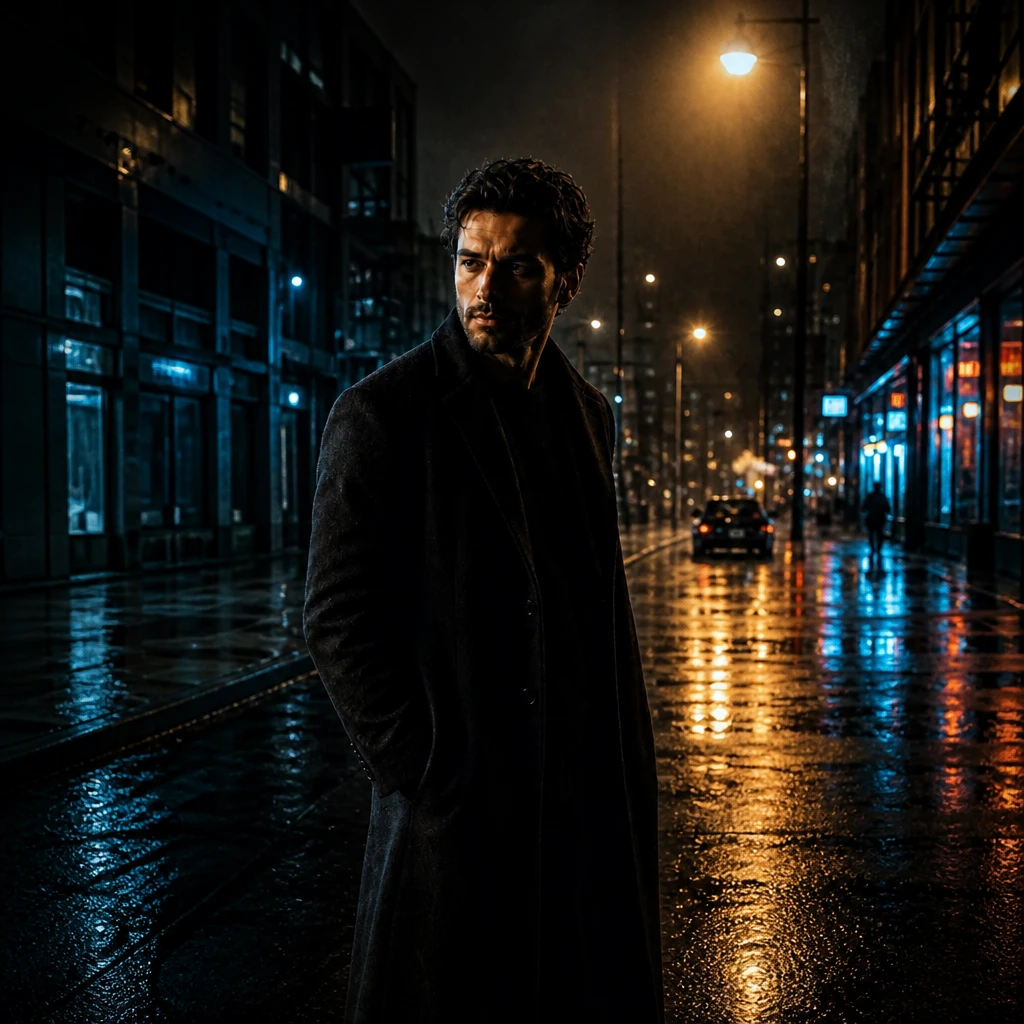
Cinematic
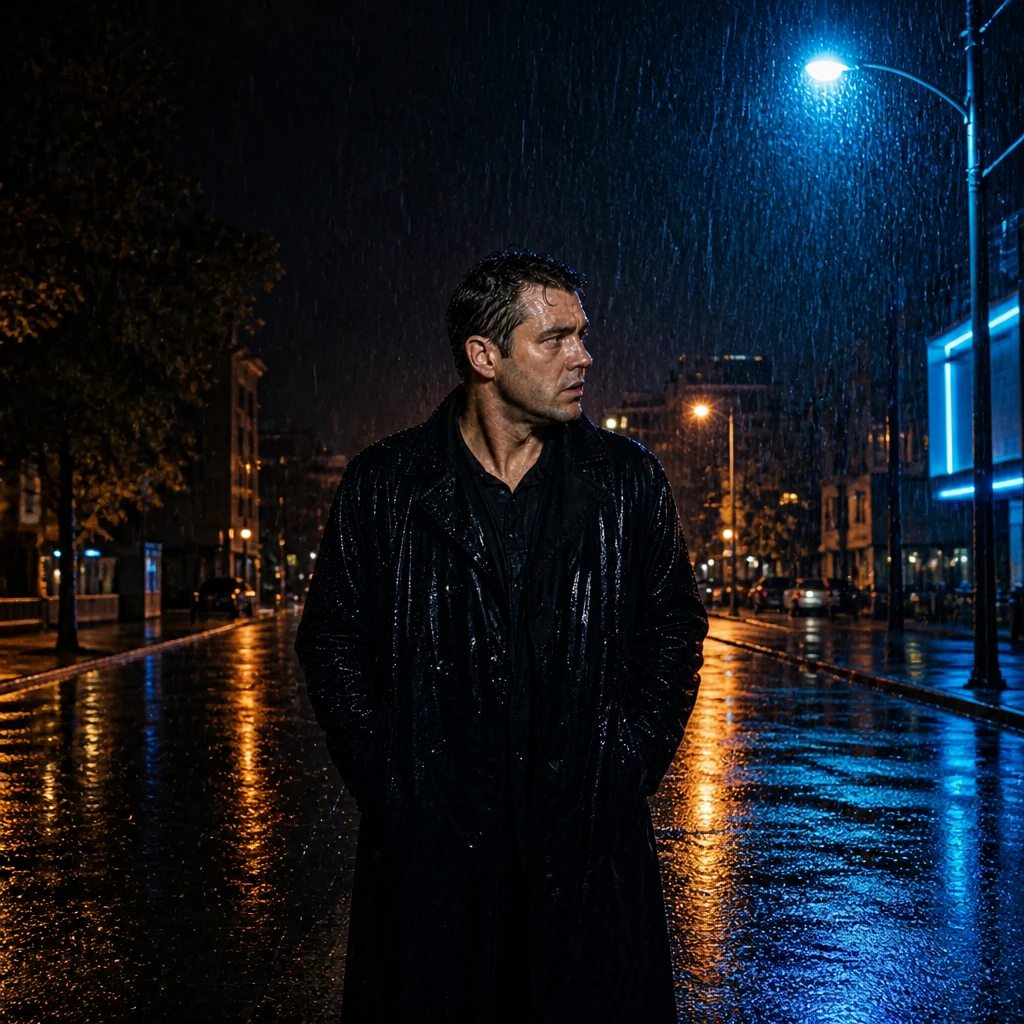
A wet night street with a visible street-lamp practical upper-right, blue neon mid-right, and a hard motivated key off-frame front-left. Deep shadows, cool bounce on the left from wet pavement.
3 lights
Cinematic
Heavy rain on a night street — wet pavement mirrors the street lamp and blue neon while a hard key camera-right shapes the face.
3 lights