Portrait photographers
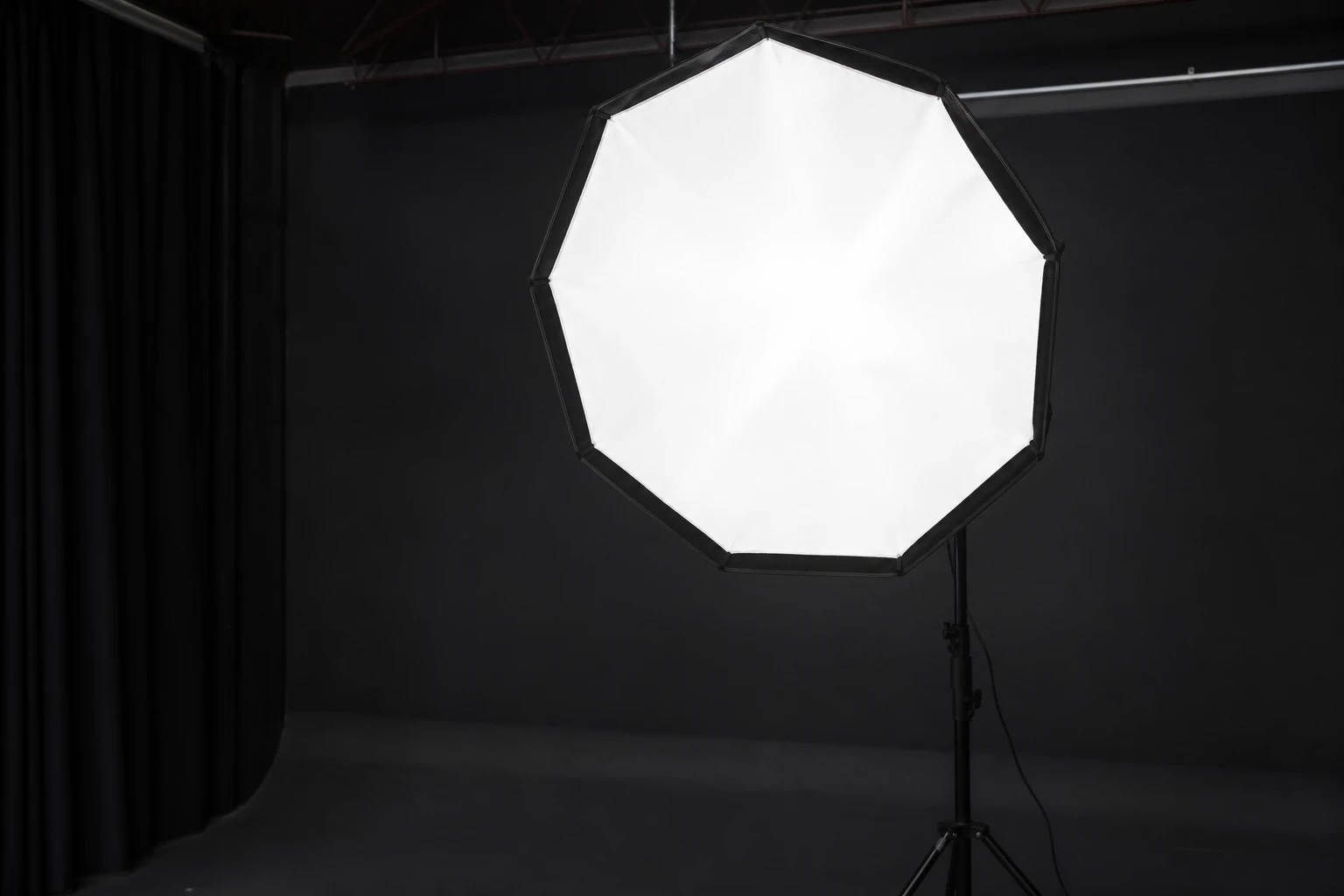
Octabox soft light for portraits
Large round source — on-axis wrap, feathered edge, and corporate evenness from a broad octabox.
14 min read
What is an octabox?
An octabox is a large, eight-sided soft modifier that produces round or octagonal catchlights and exceptionally even wrap on faces and products. Internal diffusion and a wide face spread light across a broad surface area, so shadow transitions stay gentle while directionality remains — unlike a bounced umbrella, an octabox controls spill and delivers a predictable cone of soft light. Portrait photographers use octaboxes from corporate headshots to beauty because the catchlight reads natural in eyes and skin gradients look polished without multiple fill sources.
Choose an octabox when you need softer transitions than a rectangular softbox with similar footprint, or when round catchlights fit beauty and lifestyle briefs better than square specs. The modifier scales from one-meter keys for headshots to large overhead sources for full-length fashion. Compared to a beauty dish, an octabox is softer and more forgiving on placement errors; compared to a shoot-through umbrella, it wastes less light sideways and flags spill more cleanly.
Feathering defines octabox craft: rotating the box so the subject sits in the edge of the field rather than the hot center evens exposure across the face and reduces forehead specular. Loop and Rembrandt patterns both work with octabox keys — the large source wraps enough that small rotation changes mood without harsh shadow jumps. Product work uses the same modifier for gradient backgrounds and soft label illumination on curved packaging.
Feather until the forehead matches the cheek at one meter reading — the octabox center is always brightest.
Placement in practice
Place the octabox key side, above eye line, thirty to forty-five degrees off camera for standard portrait modeling. Bottom of the modifier at chin height or slightly above keeps catchlights high without lighting nostrils from below. For corporate evenness, move slightly closer to on-axis — twenty degrees off camera — and accept shorter nose shadow; for editorial depth, push to short-side Rembrandt with negative fill on the shadow cheek.
Distance start point: front face of box three to six feet from subject for head-and-shoulders, depending on box diameter. Larger boxes can sit farther while maintaining softness; small octaboxes must stay close or shadows tighten. Full-length fashion may use a boom overhead octabox as key — height and forward tilt replace side placement; shadow under chin and nose confirms angle.
Rotate subject toward key for open key-side eye; away for slimming shadow-side emphasis. Camera height at eye level preserves natural perspective; slight elevation softens jawline on heavier faces — cosmetic choice, not lighting law. Pair with hair light separately; octabox spill sometimes rims hair acceptably in small rooms but dedicated rim gives control.

Distance and power
Large octaboxes behave softer when close — the entire face fits inside the lit field evenly. Backing up reduces falloff from near cheek to far ear — the light gets more even across the face (and the shadow edge hardens slightly as the source shrinks). Move closer for faster falloff and more drama. Corporate shooters often prefer moderate distance for even bilateral skin; fashion shooters move closer for wrap then deepen shadow side with flags.
Power scales with box size and diffusion layers — bigger boxes need more strobe output to maintain aperture. If you open aperture for background blur, verify recycle keeps pace; large modifiers eat light. Inverse square still applies: halving the distance quadruples cheek exposure (~2 stops) — with a large octabox very close the real jump is gentler, but never quote "double" as an inverse-square result. Pull back before dropping power when forehead clips.
Feathering changes effective distance per facial zone — forehead in edge of beam gets less than cheek in center when box is rotated. Learn to meter cheek and forehead separately once when dialing a look, then mark stand position. Octabox on boom: raising height increases distance to chin versus forehead — tilt compensates.
If the far ear disappears into shadow while the near cheek blows, feather and rotate subject — not just power.
Fill, spill, and control
Octabox spill fills white rooms quickly — negative fill on shadow side preserves cheek depth. V-flats two feet from shadow cheek restore contrast lost to bounce. Without flags, octabox portraits in small studios look "too soft" when the issue is environmental fill, not modifier choice.
Grids optional for background control — soft quality on face, darker seamless behind. Degree of grid choice: tighter grid for athlete muscle definition setups, lighter grid for beauty. Flags between box and background trim spill without affecting subject if placed outside the cone to the face.
Fill strobe or reflector on shadow side for high-key corporate — white reflector often suffices because octabox already wraps. Second soft source at low power risks double catchlights and flat nose shadow; prefer reflector or negative fill adjustment first. For product, black cards shape reflections while octabox provides base gradient on label.
What to look for
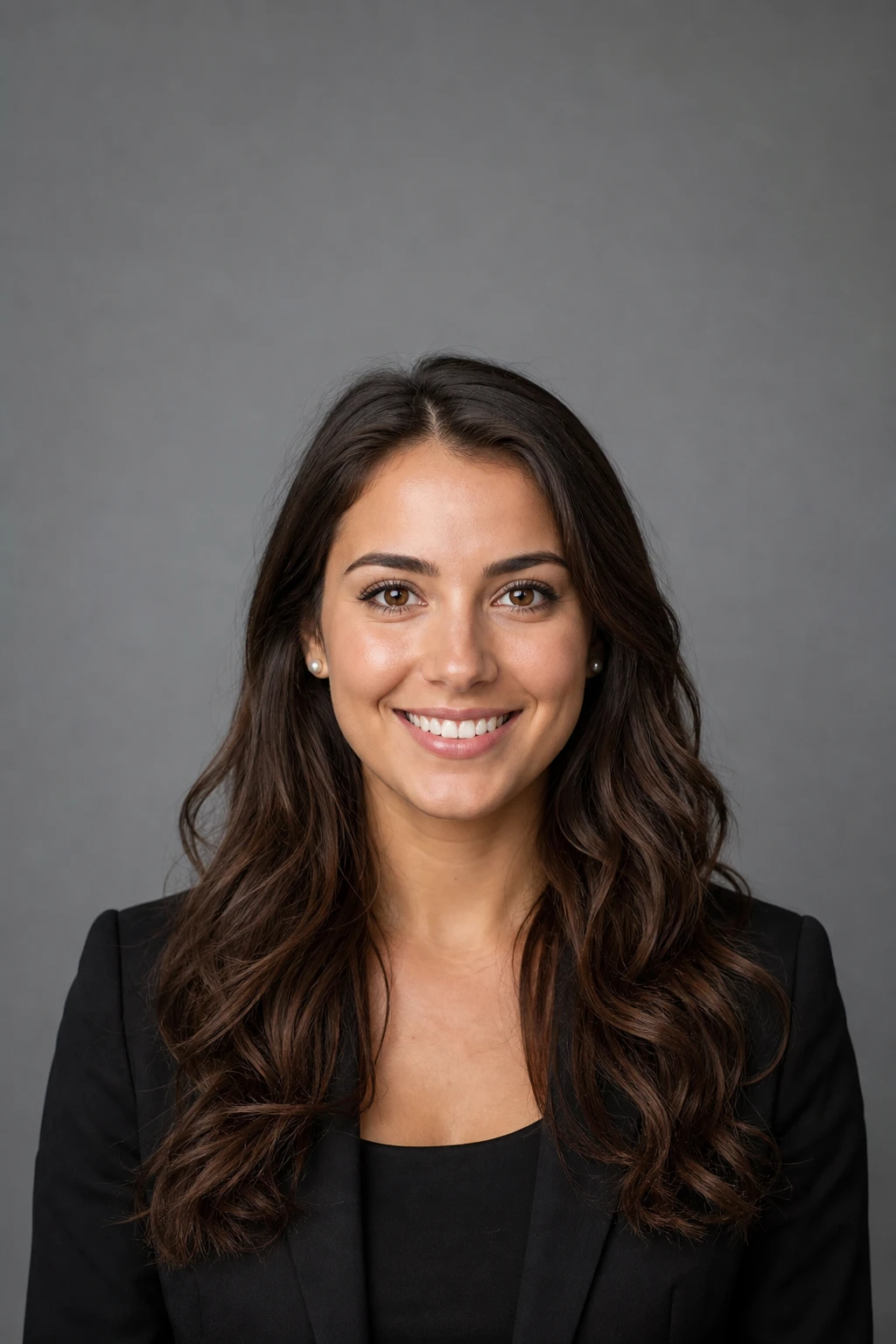
Catchlights should be octagonal or round, high in both eyes, similar size unless subject rotation intentional. Nose shadow soft edge confirms large source — hard nose line means box too far or too small for distance. Cheek gradient smooth from key to shadow side; banding or sudden jump means feather error or partial flag shadow.
Skin texture uniform on lit side — octabox hides less than hard light; expose for pore detail retention. Shadow-side eye socket should not go pure black unless dramatic brief — add reflector lift if socket loses detail. Hair separation from background: if hair melts into gray seamless, add rim or flag background spill down.
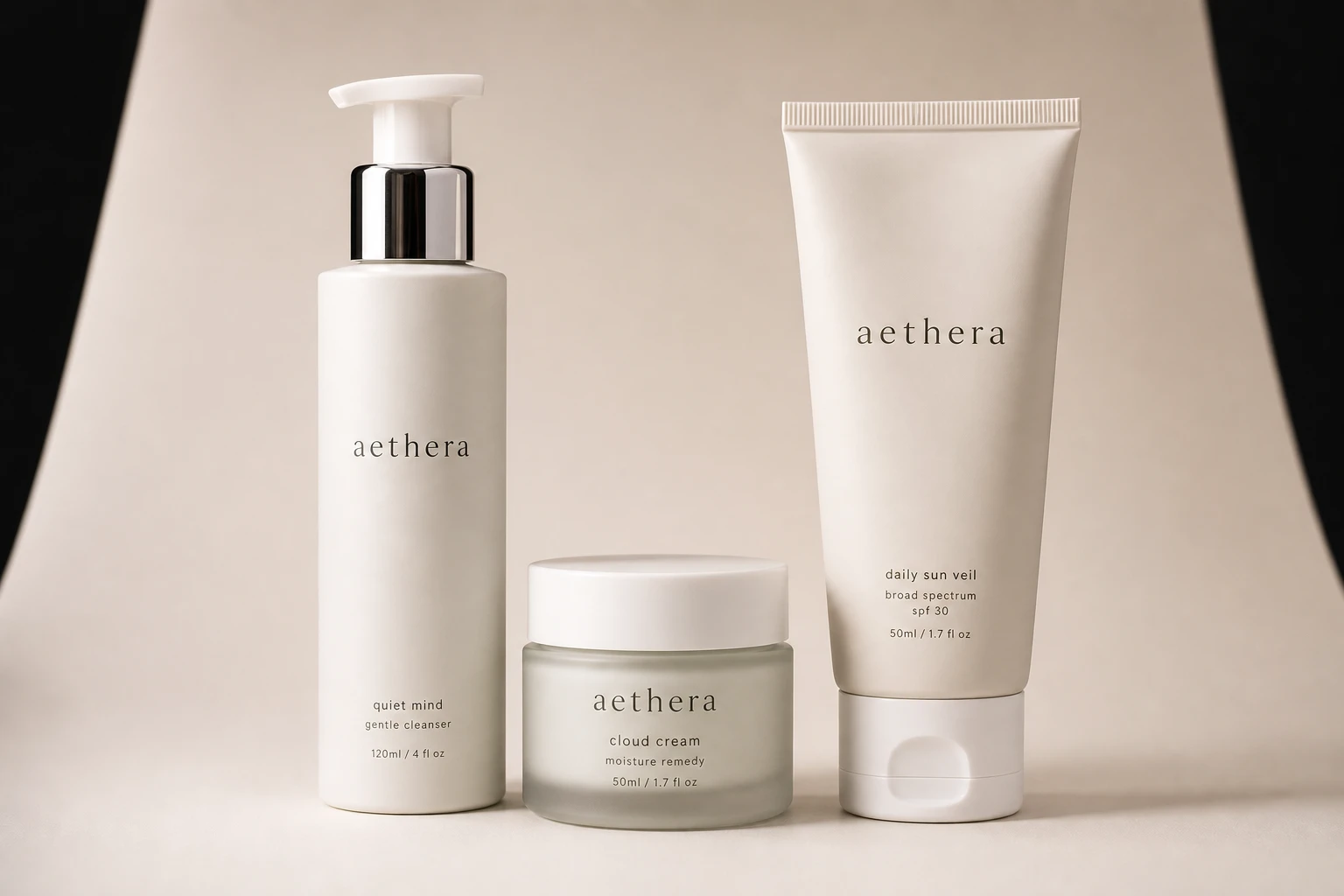
Product labels under octabox should show even illumination without hot stripe — rotate box or product so label plane faces box center evenly. Glossy packaging may need black cards in addition to octabox key.
Common mistakes
Subject in hot center of octabox without feathering blows forehead while jaw is correctly exposed — classic beginner frame. Rotate box on stand until forehead enters softer part of field; verify in live view at shooting aperture.
Octabox too far for its diameter produces deceptively hard nose shadow — photographer blames "wrong modifier" when geometry failed. Move closer or use larger box; softness is size over distance, not brand.
Adding grid too early before learning feather makes light unnecessarily narrow and uneven on groups. Grids fix background problems; feather fixes face problems — diagnose which you have.
White room plus octabox plus reflector plus fill strobe erases all modeling until face is flat oval. Remove one fill layer at a time starting with powered fill, then reflector, then add negative fill until cheek shadow returns.
Corporate sessions often repeat the same octabox distance for dozens of faces — tape the stand leg position and record power settings so retouching sees consistent catchlight scale across the team. For subjects with deep-set eyes, inch the octabox forward and lower slightly compared to your default; large sources from high above leave eye sockets darker than cheekbones even when the overall exposure looks correct. Review tether at one hundred percent on the eyes before approving the lighting template for the day.
Loop versus Rembrandt with octabox: rotate subject fifteen degrees toward key for loop nose shadow on cheek; twenty degrees away for Rembrandt triangle on shadow cheek — octabox wrap makes triangle soft-edged not hard sun triangle. Executive brief often wants loop not Rembrandt — less drama — subject rotation fine-tune without moving box.
Group portraits with one octabox: center subject in modifier axis, line group on arc equidistant from box face — rear row underexposed if arc wrong — raise box and tilt down slightly for two-row school photo logic — feather critical when faces span wide horizontal field.
Try it yourself
Walk the setup one light at a time, or dial passes live in the relight studio.