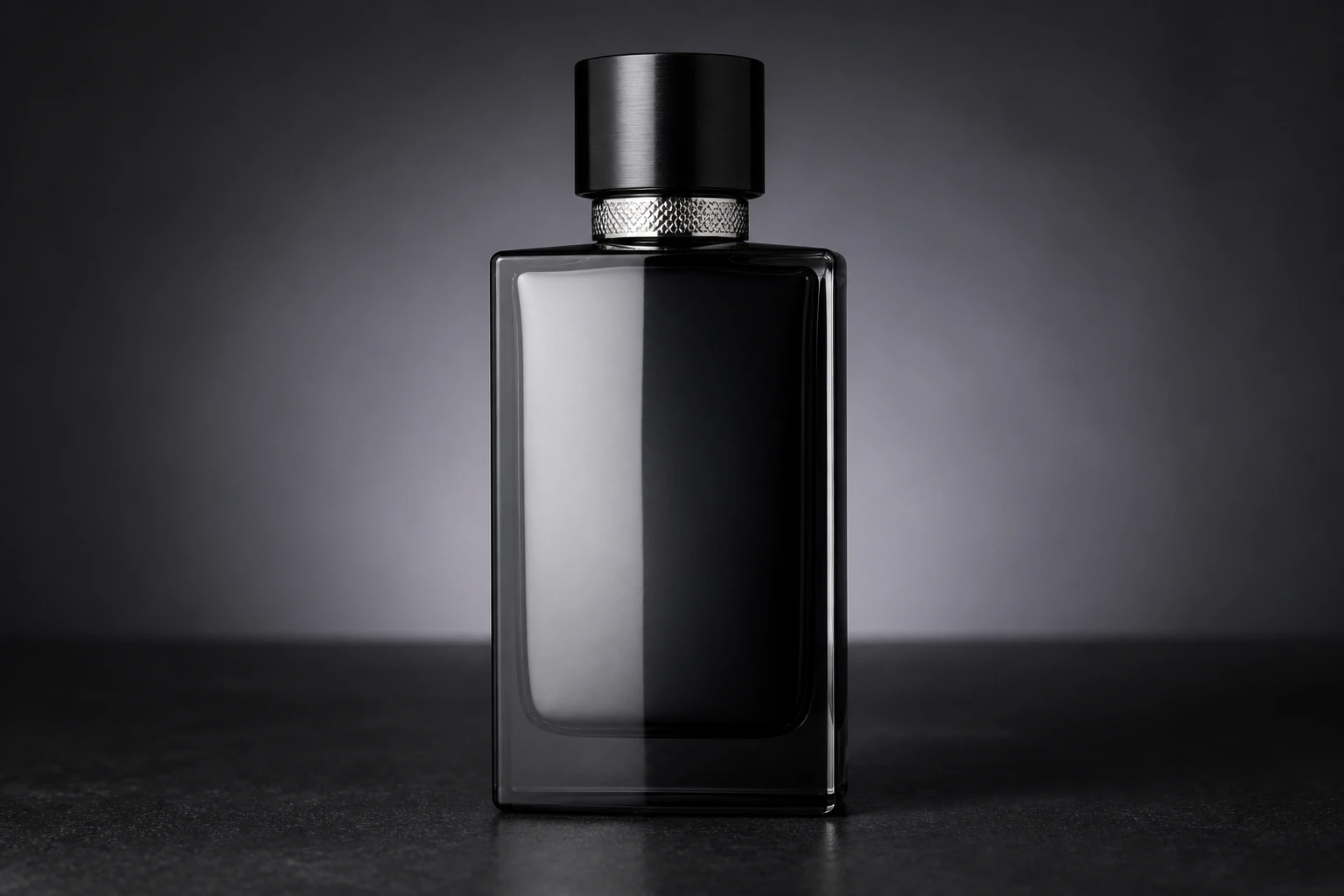
A background light does not touch the subject at all. It is aimed past them, at the wall, the sweep, or the space behind — and its job is separation and depth: deciding how bright, how colored, and how shaped the world behind the subject reads. It is the light beginners skip and seasoned shooters set second, because the background's tone is half of what makes a subject pop or sink.
When to reach for it
Whenever subject and background would otherwise merge — a dark jacket against an unlit grey sweep reads as a silhouette against mud. A background light lifts the wall a stop or two behind the shoulders and the subject detaches instantly, without touching the face's exposure. It is also the color instrument: gel the background light and the entire mood changes while skin stays neutral, which is why gelled backgrounds are the cheapest set design in photography.
How to read it in a photograph
Look for brightness behind the subject that the key cannot explain. A glowing pool centered behind a product, a gradient blooming behind shoulders, a colored wash on a wall the key never faces. On our three-light product hero, the glow sits centered directly behind the bottle — a separate small light on the background, confirmed by measurement to sit dead behind the subject — while the key models from the side. On our gelled portrait, teal and magenta washes live only on the wall: the face stays neutral because the background light, not the key, carries all the color.
The falloff shape is the signature: background lights are usually close to the surface they light, so they leave a hot center that breathes away toward the edges — a circular gradient no room's ambient could produce.
What people get wrong
Letting it spill onto the subject. A background light that grazes the subject's shoulder or hair adds a phantom rim nobody planned. Flag the subject side, or angle the light more steeply across the wall — its beam should never intersect the person.
Lighting the background with the key. Pull the key back far enough and it lights everything — face and wall alike — which flattens the frame into one plane. Separating the jobs into two lights is precisely what buys the depth; distance between subject and background does the rest.
Ignoring the ratio behind. The wall has an exposure relationship with the face just as the fill does: a background half a stop under the face reads clean and bright; two stops under reads moody; four stops under reads black. Meter it deliberately instead of accepting whatever the room gives.
In the library
Seventeen setups author a dedicated background light. The teaching set: Three-Light Product Hero (the centered glow), Colored Gel Background Portrait (color carried entirely by the background), and RGB Tube Product Background Wash (twin tube lights painting the wall from behind the product line).