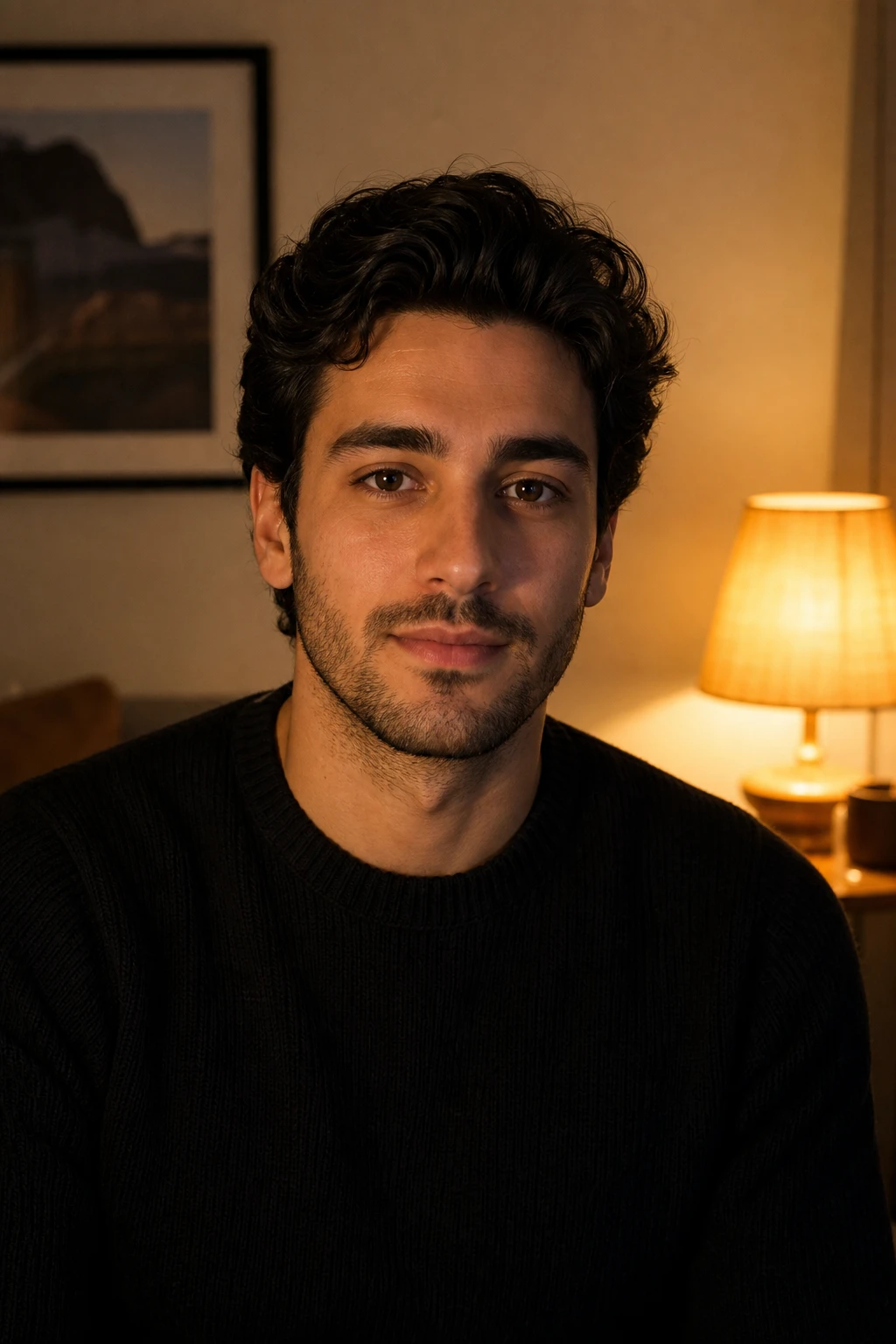
What it does
They sell story and depth even when a larger hidden source does the heavy lifting. Warm tungsten practicals against cool windows create mixed Kelvin contrast that reads cinematic in one exposure.
Light sources
Practical lamps are lights visible in frame — desk lamps, sconces, candles, screens — that motivate why the subject is lit the way they are.
What it looks like
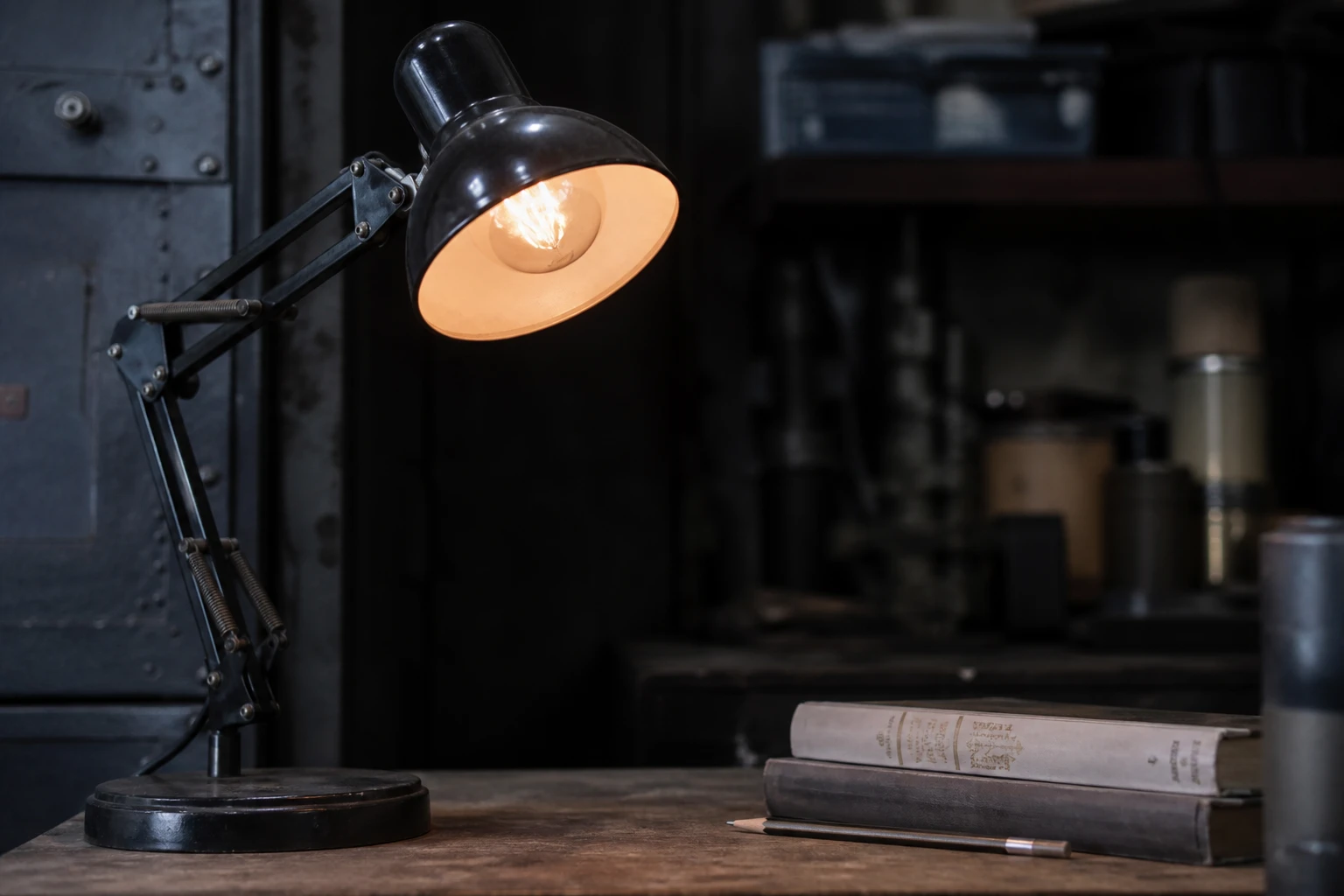
They sell story and depth even when a larger hidden source does the heavy lifting. Warm tungsten practicals against cool windows create mixed Kelvin contrast that reads cinematic in one exposure.
Interiors, creator desks, night portraits, twilight real estate, and mixed-light education.
Warm blobs in background bokeh; motivated shadow direction from lamp side; screen glow catchlights under eyes when laptop/phone is key.
Place practicals in depth — not always closest to subject. Hide a larger soft source if you need cleaner skin while keeping lamp in frame. Dim or gel room overheads that fight your color story.
Practicals often meter dim; expose for subject with larger hidden fill if needed. Balance lamp wattage so it does not clip to pure white unless intentional.
Leaving overhead LEDs on — green/magenta cast on skin fights lamp narrative. Fix: kill overheads or gel to match.
Dim practicals in-frame look more expensive than blazing bulbs — use lower wattage or distance.
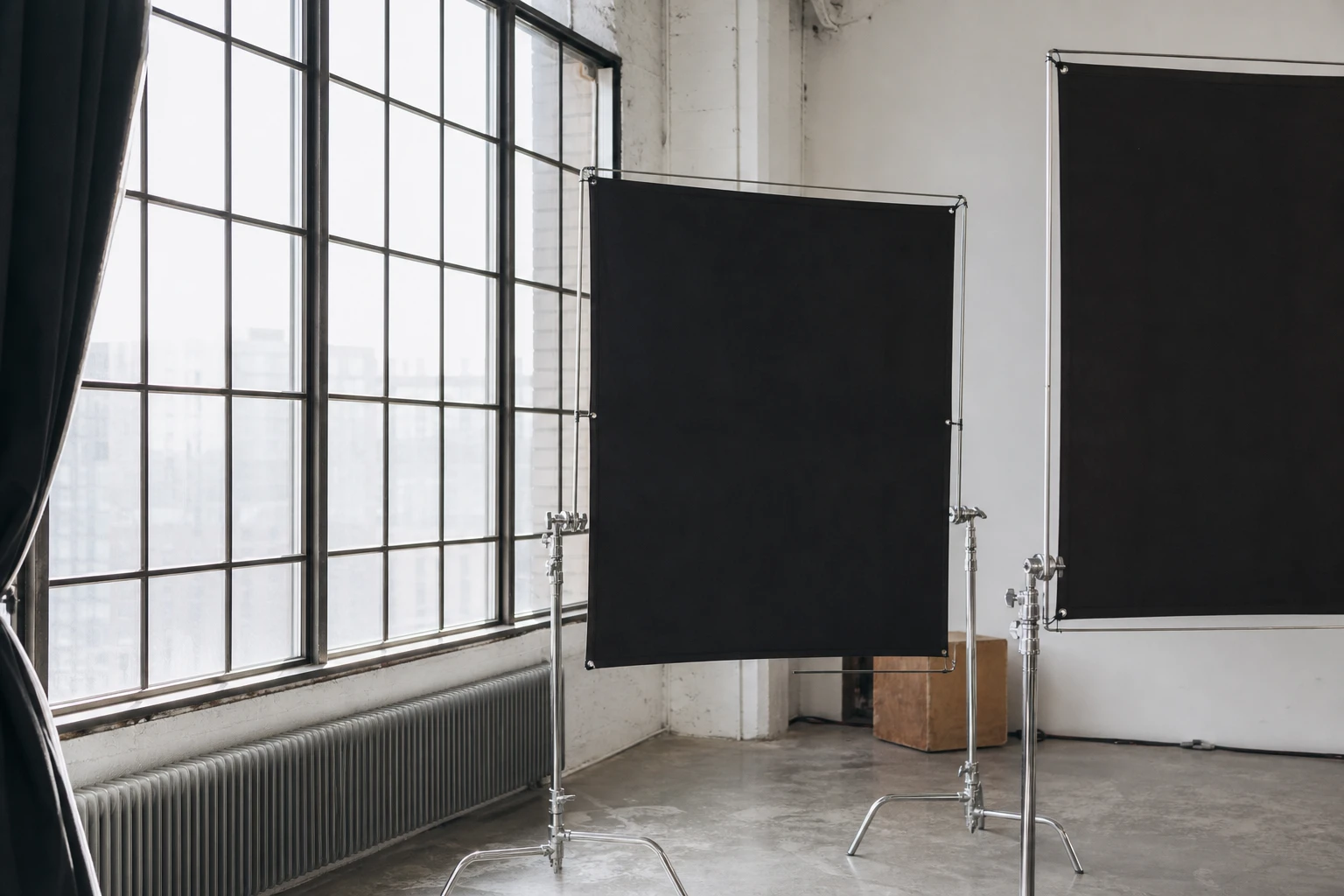
Window light and sun are the original large soft sources — free, directional, and highly dependent on time of day, sky, and what you place opposite the shadow side.
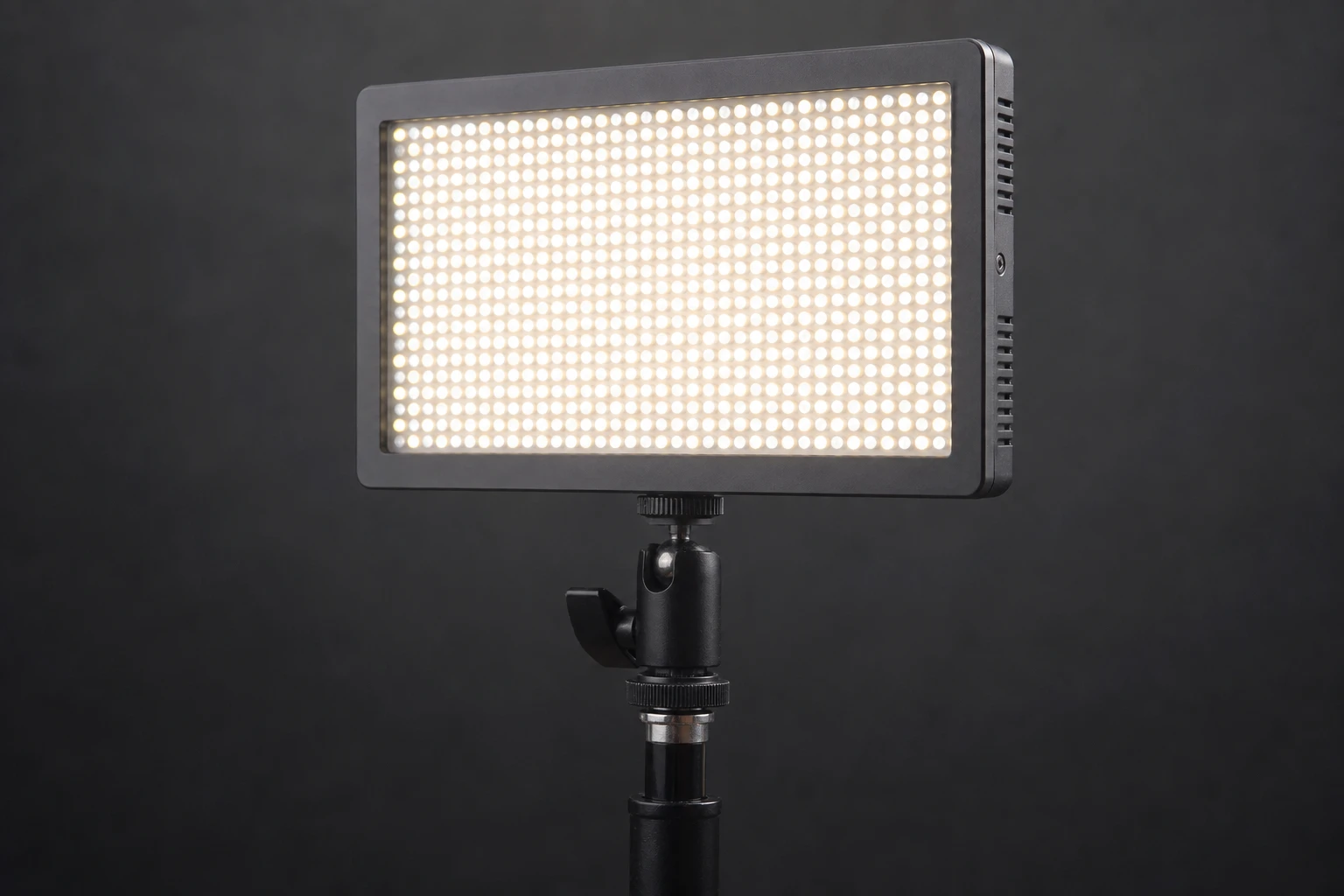
LED panels give continuous, dimmable light — ideal when you need to see exposure live on video or product tables.
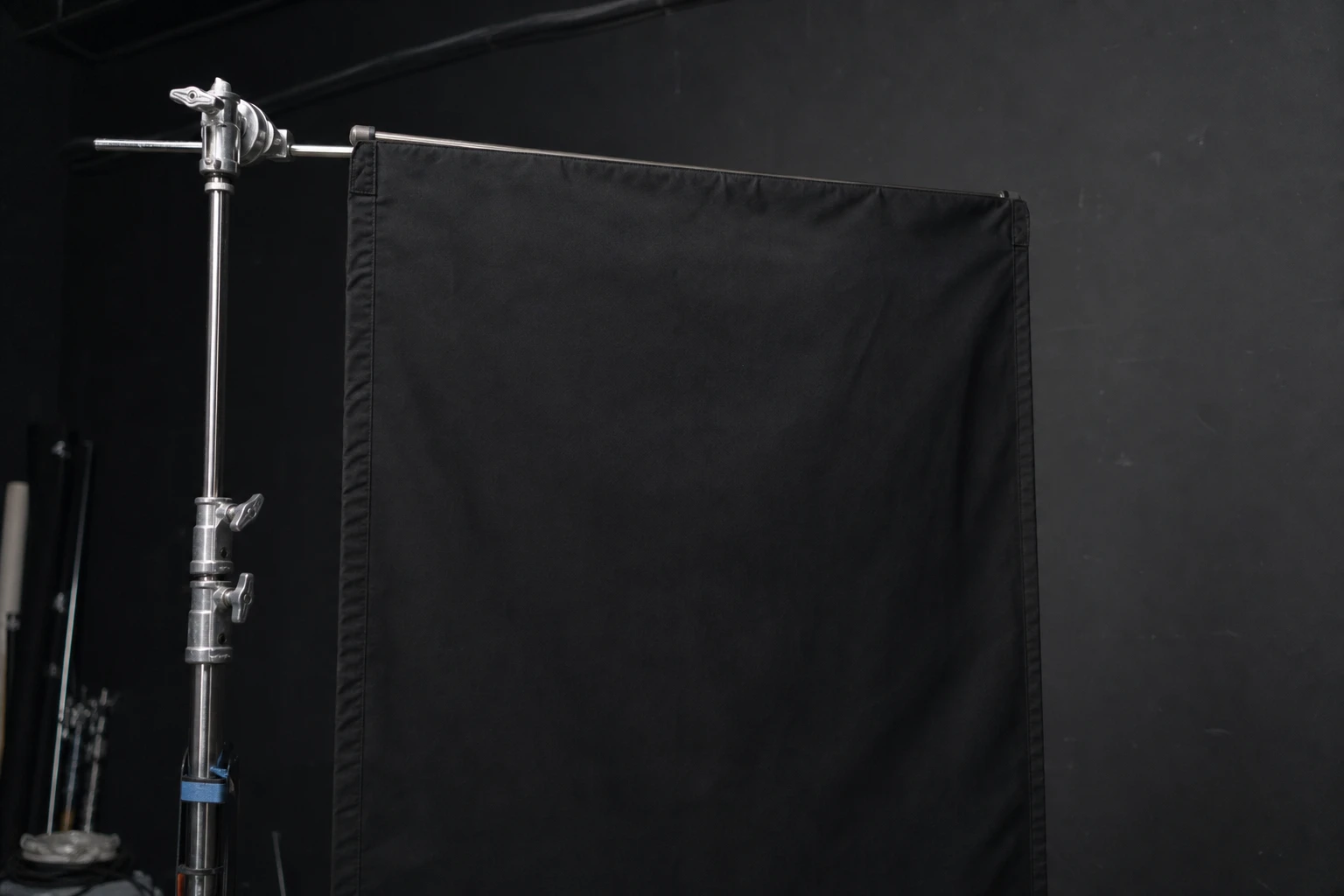
Flags (cutters, barn doors, black flats) block light — they subtract instead of add.
Strongest matches for this tool — 8 of 18 shown. Browse all in the library →
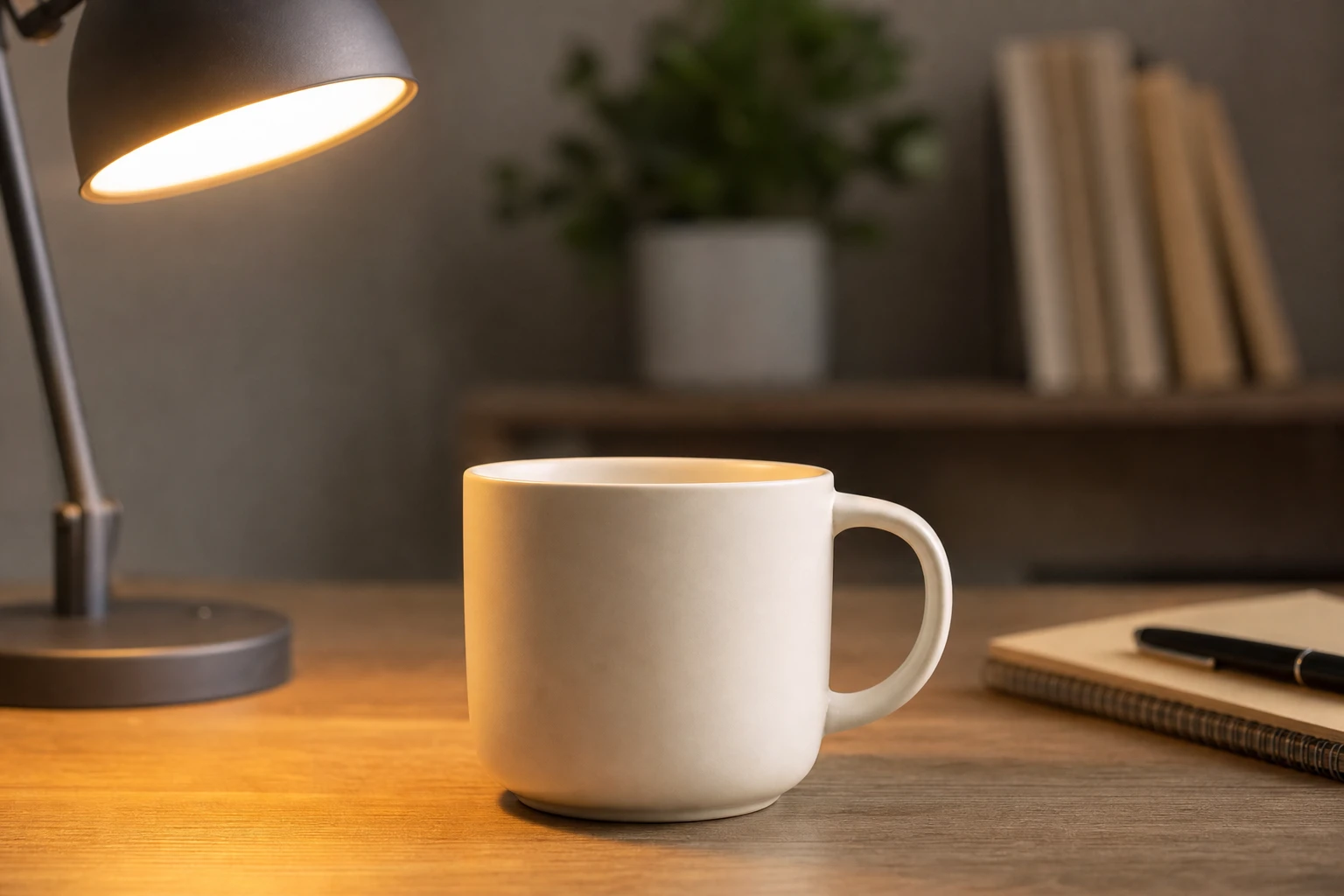
Product
A desk still life: a warm practical lamp in frame beside a ceramic mug, with optional LED fill — balancing mixed Kelvin so the label stays neutral and the scene feels lived-in.
2 lights
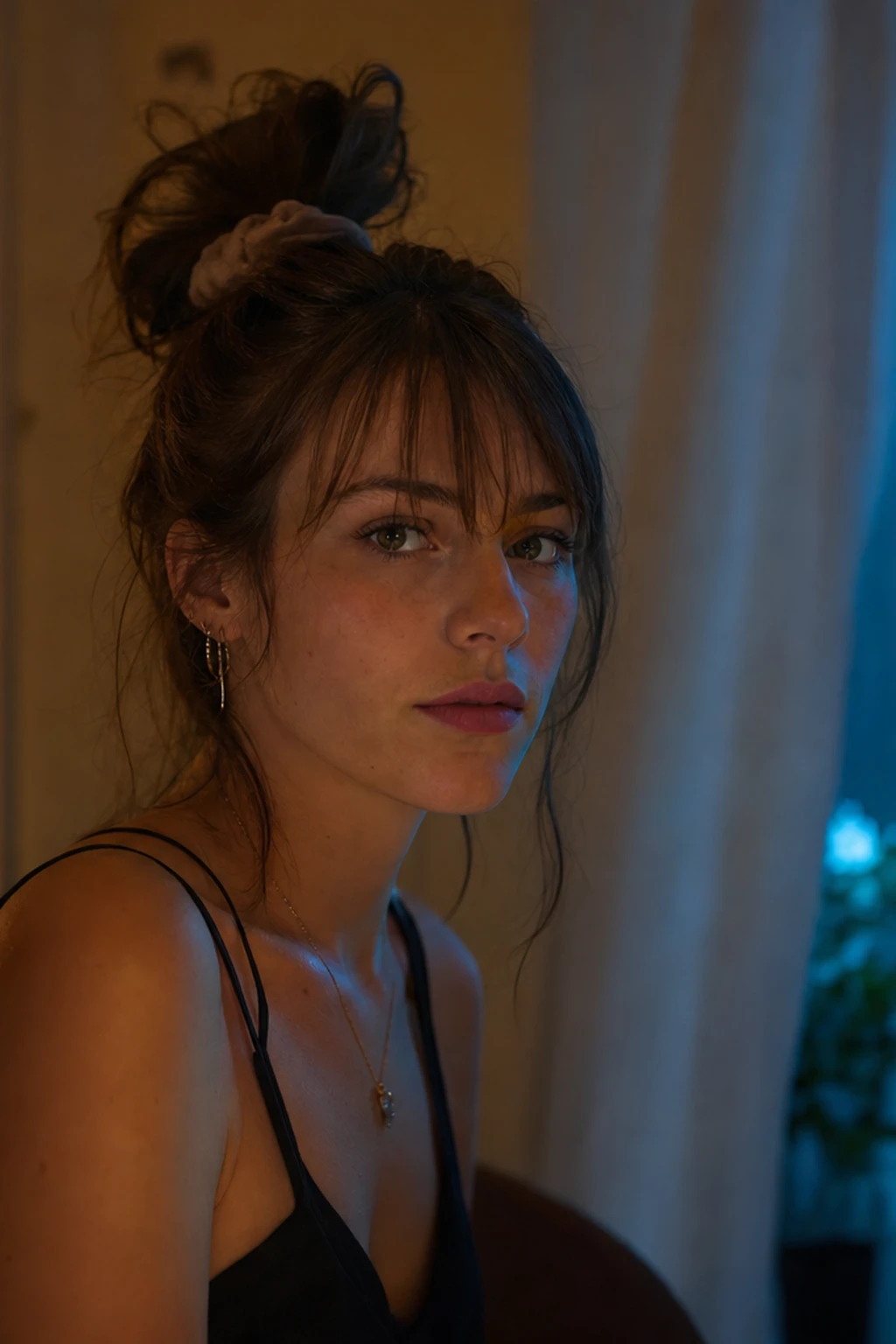
Cinematic
A close portrait in an apartment where a warm practical lamp motivates the key and a cool window provides edge and color contrast in the same frame.
2 lights
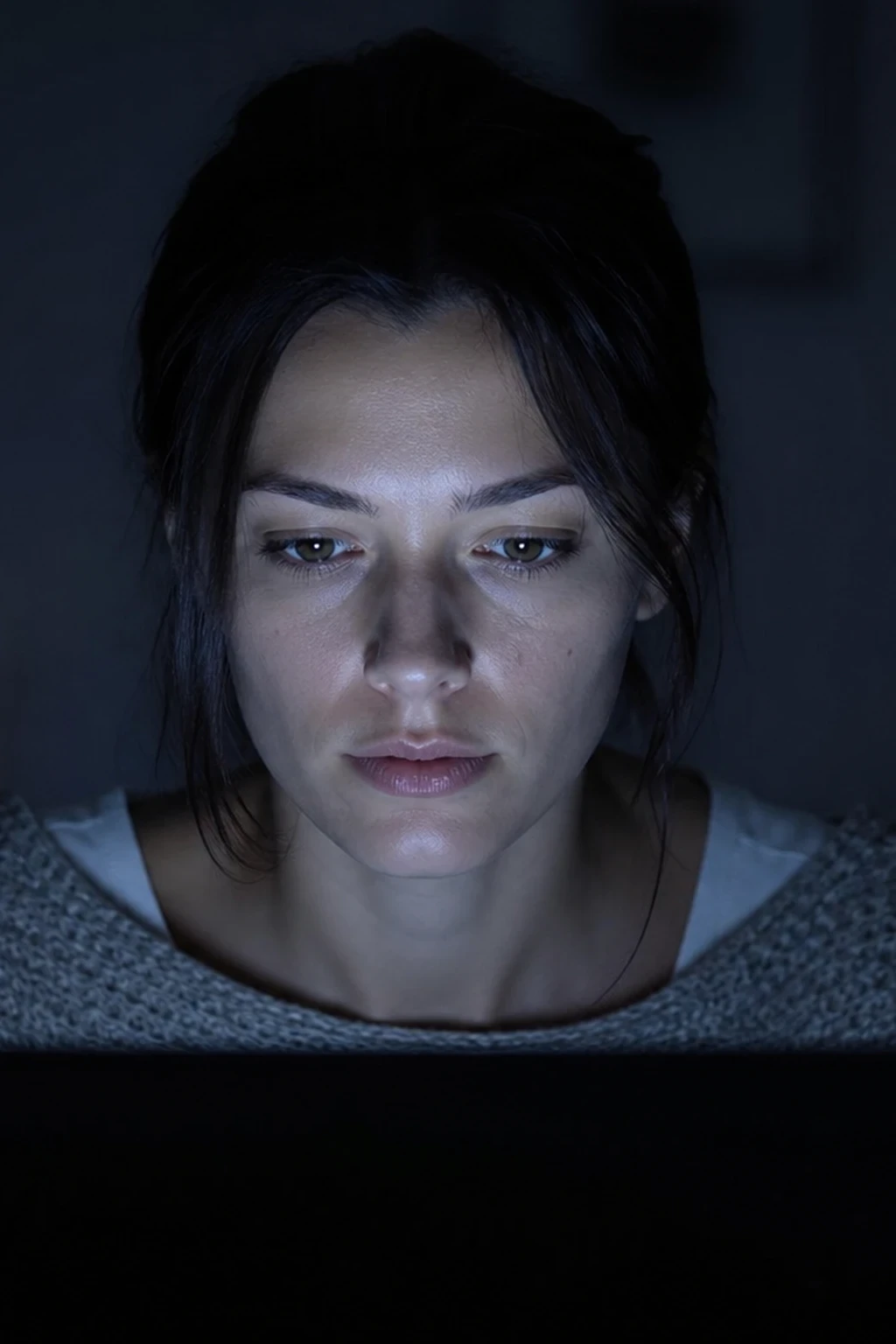
Cinematic
Late-night portrait lit only by a phone or laptop under the chin — open a full-screen solid color on the display and the face takes that color as key.
1 lights

Cinematic
An RGB tube light rims the subject from behind while a warm desk lamp provides the motivated key on the face for a creator-style cinematic portrait.
2 lights
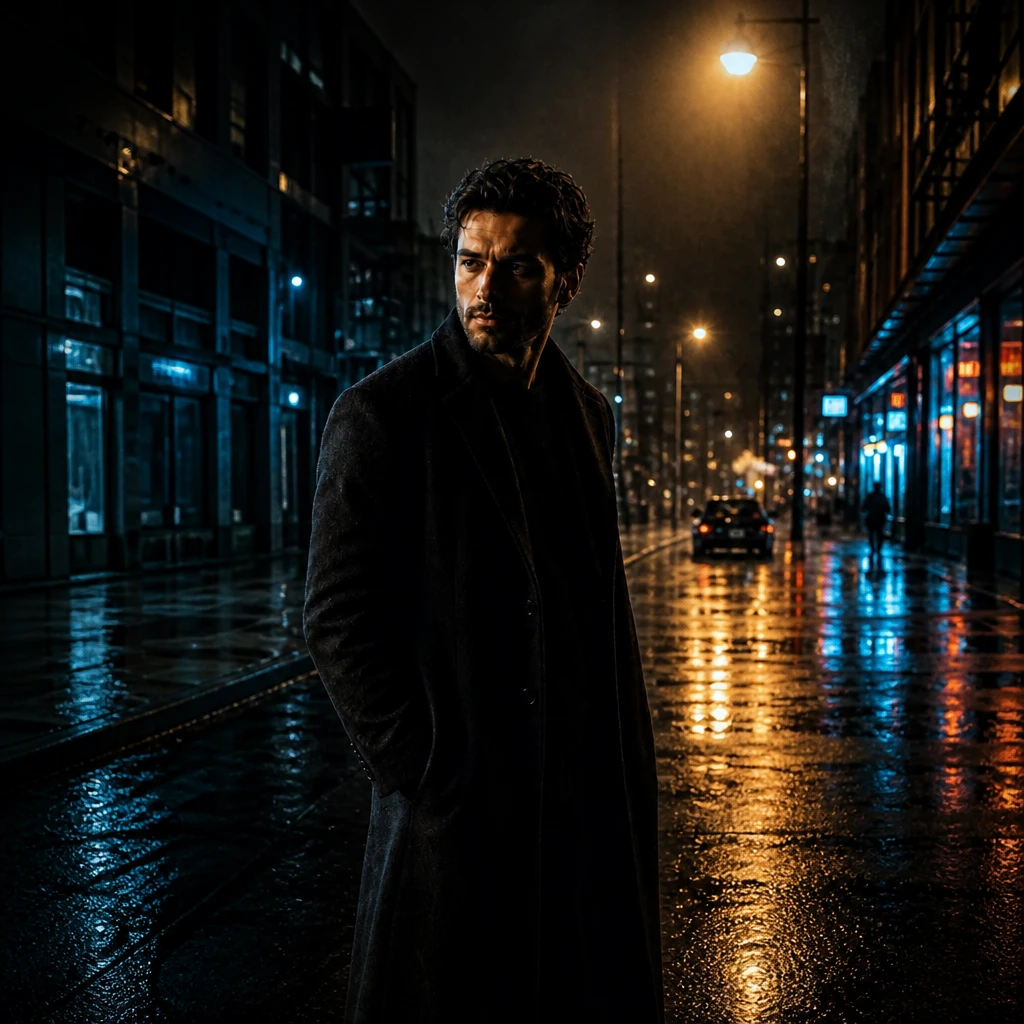
Cinematic
A wet night street with a visible street-lamp practical upper-right, blue neon mid-right, and a hard motivated key off-frame front-left. Deep shadows, cool bounce on the left from wet pavement.
3 lights
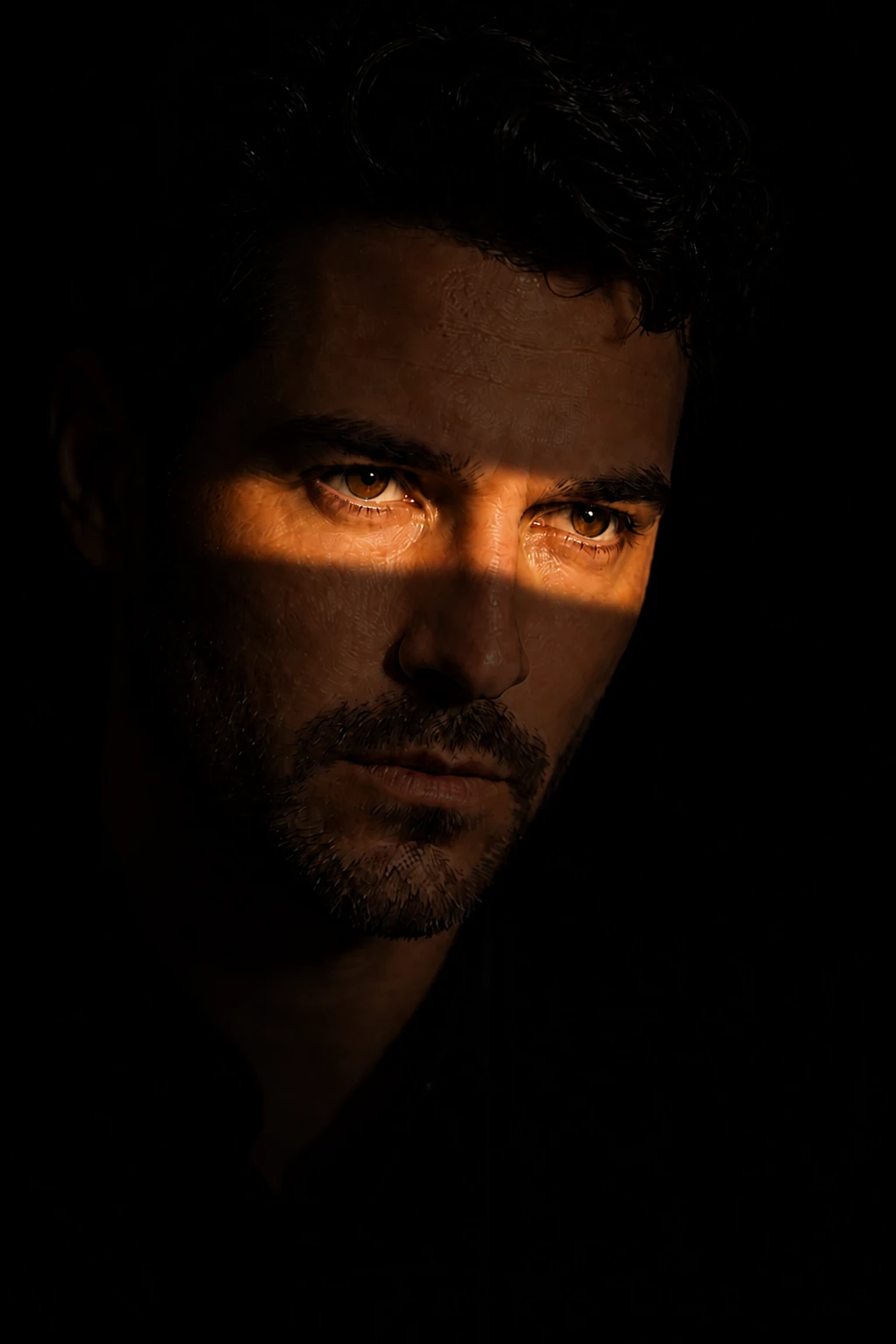
Cinematic
A hard Fresnel beam shaped by flags into a narrow slash across the face for noir-style cinematic drama.
2 lights
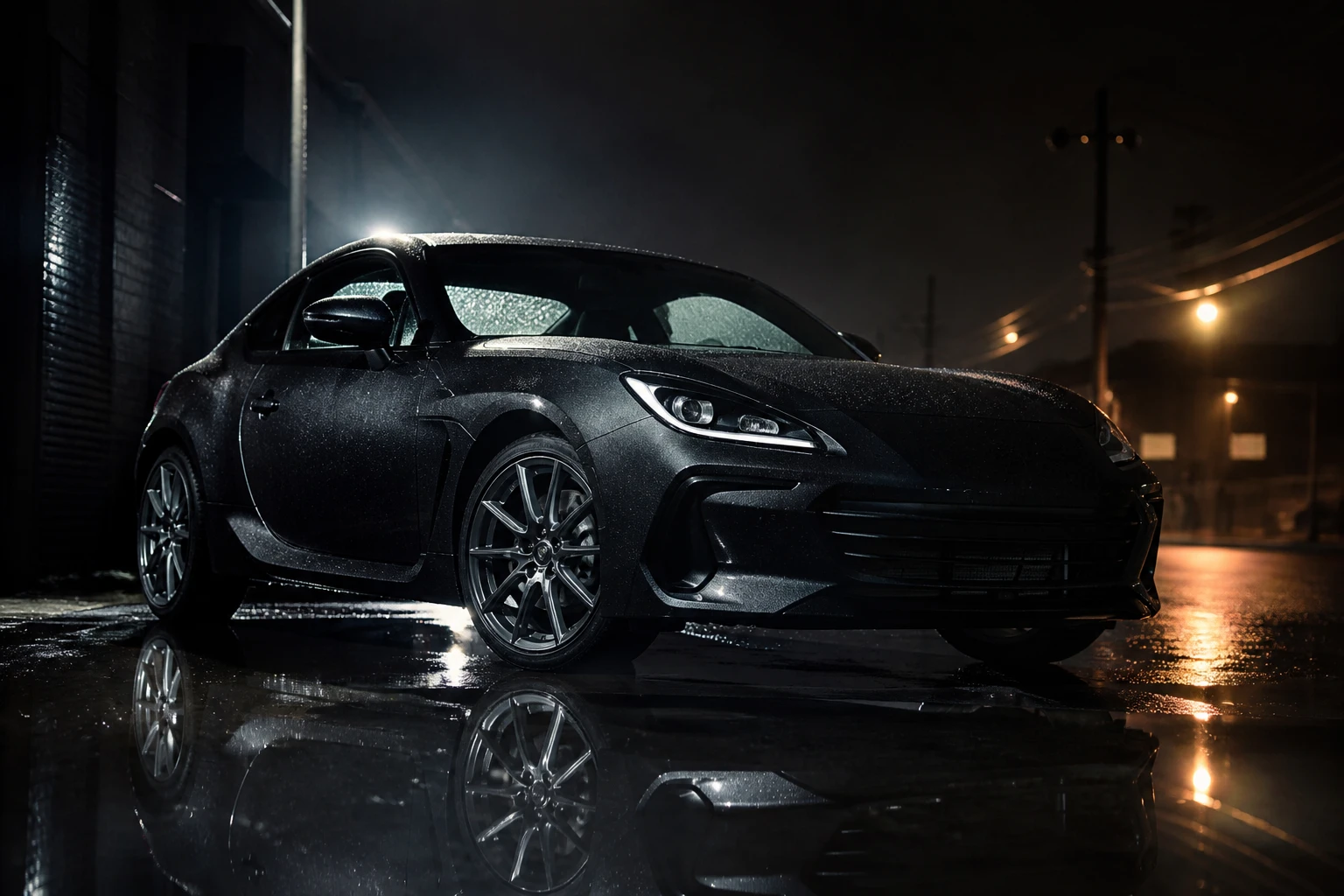
Automotive
A car at night on wet pavement — a motivated practical or spotted Fresnel rims the body while puddle reflections double the undercarriage light without a multi-pass light painting composite.
2 lights
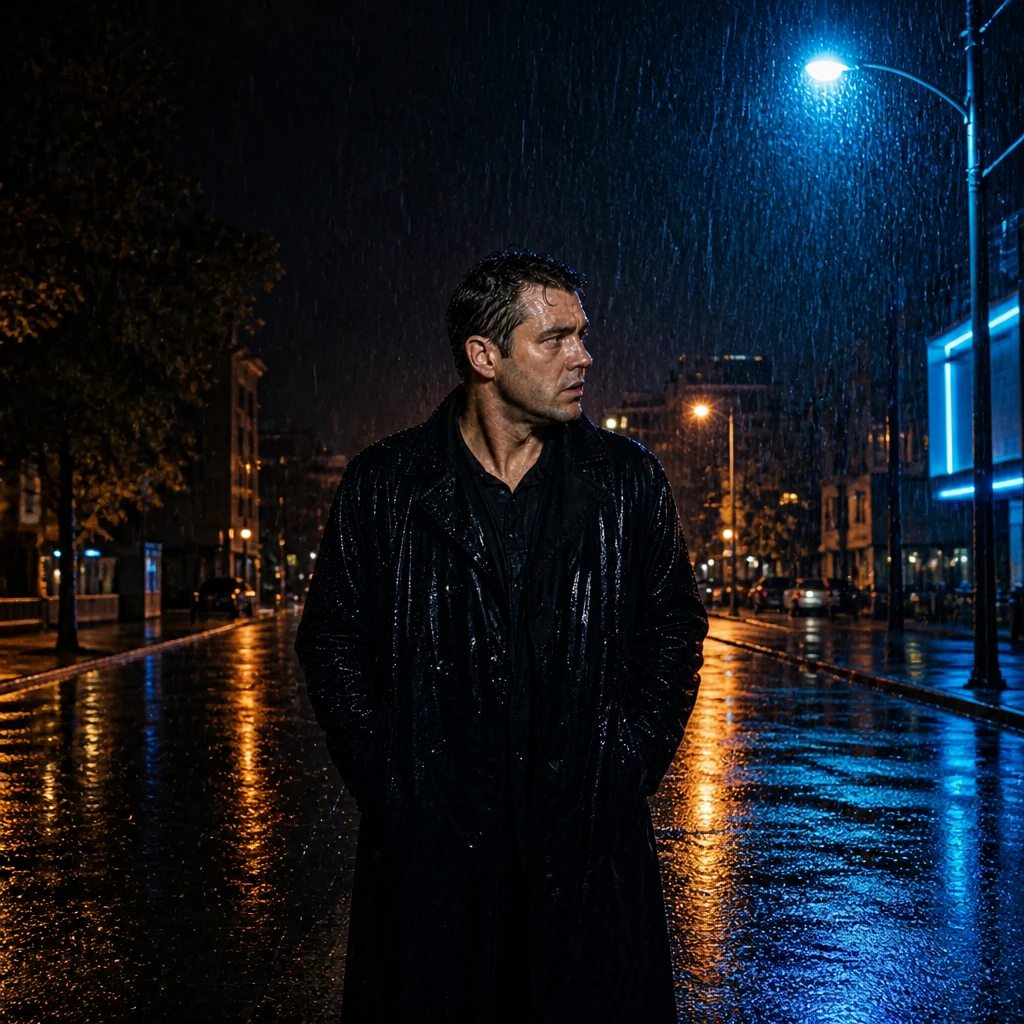
Cinematic
Heavy rain on a night street — wet pavement mirrors the street lamp and blue neon while a hard key camera-right shapes the face.
3 lights