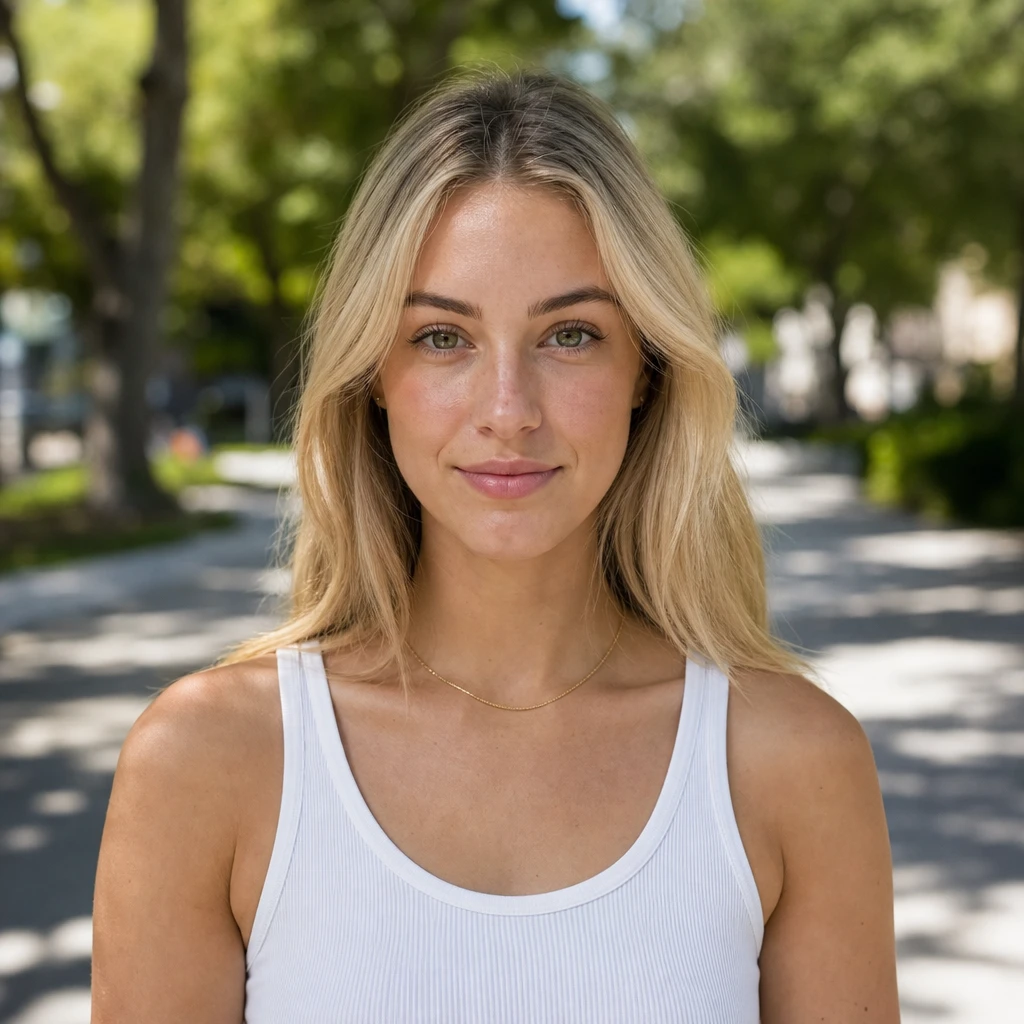
What it does
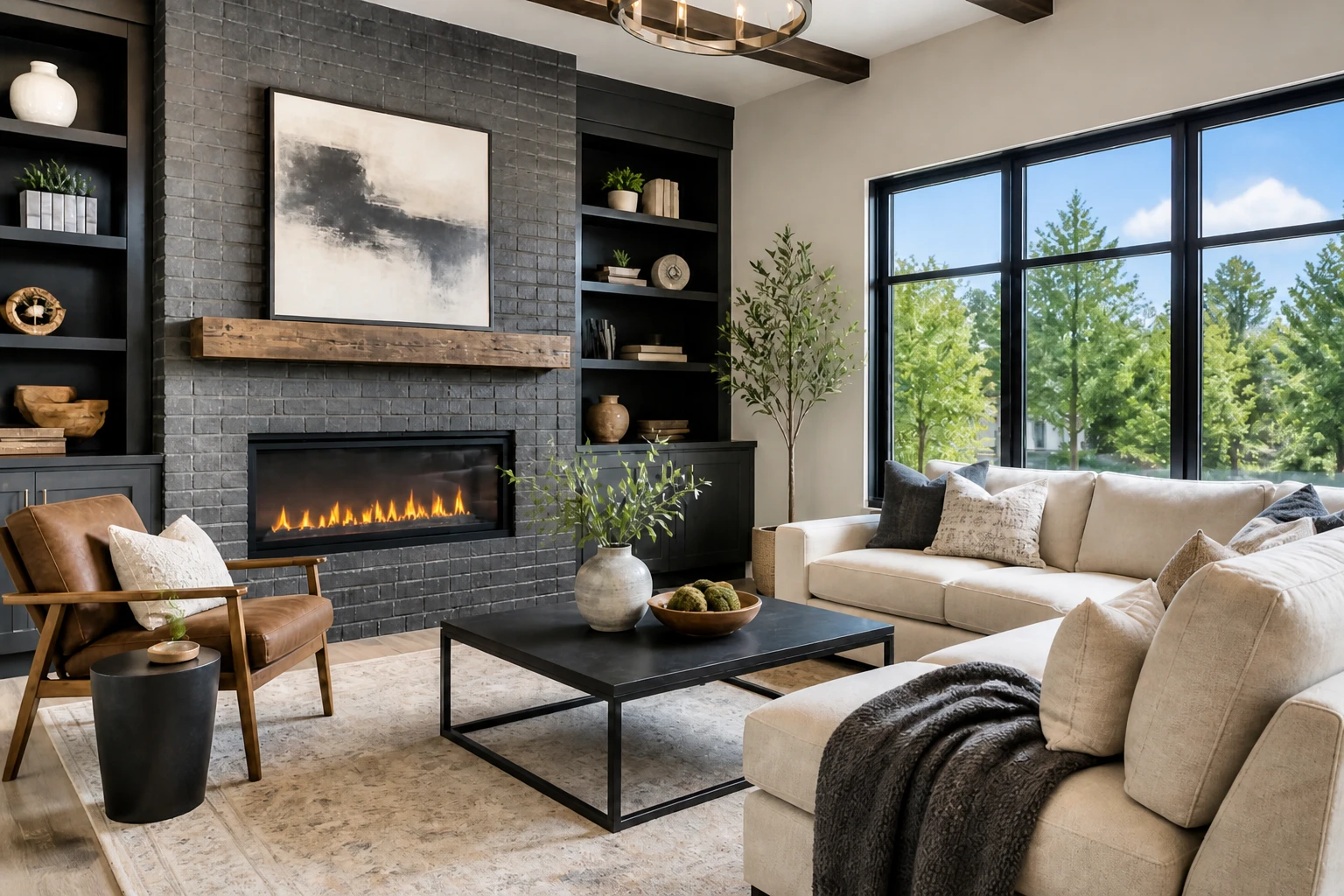
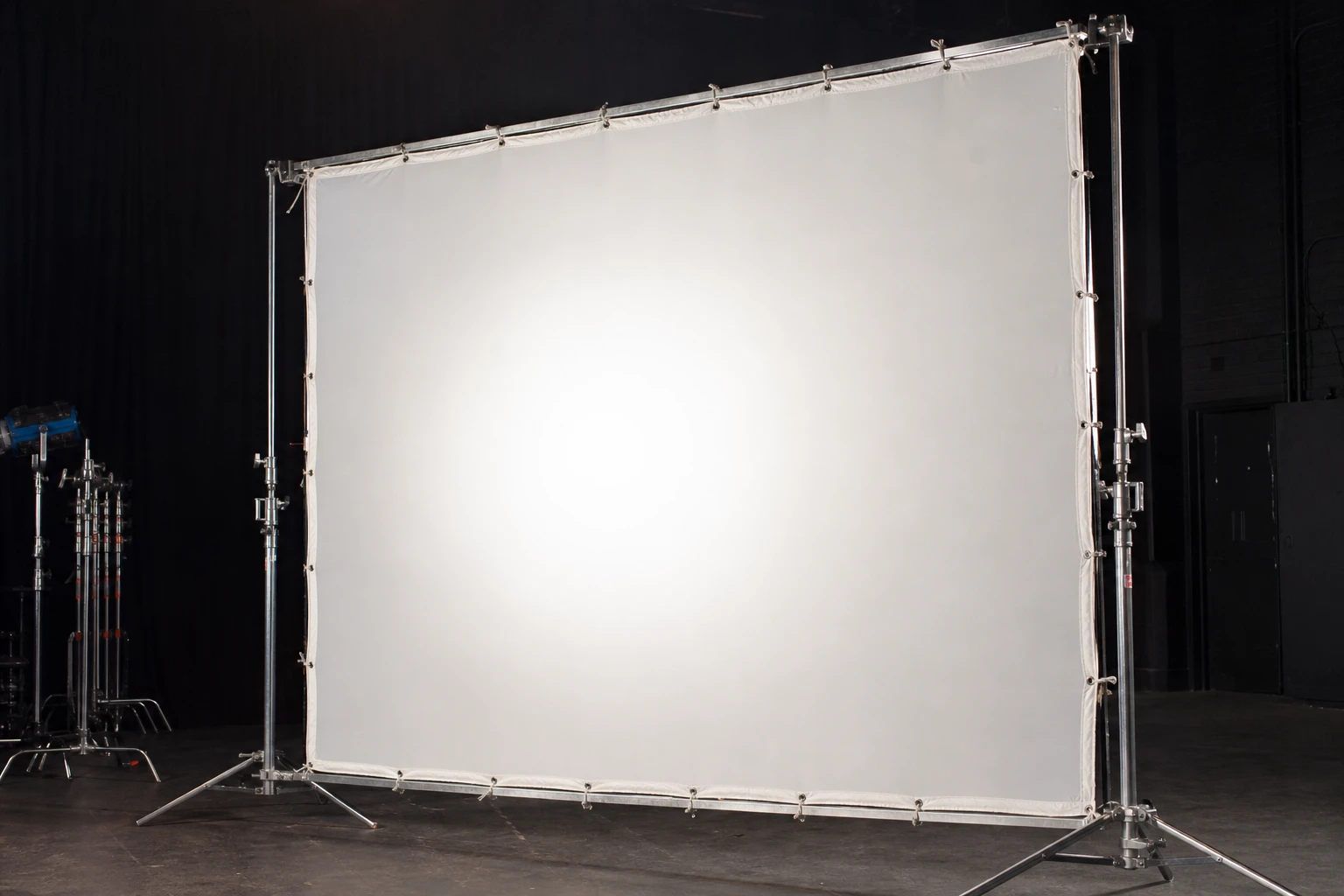
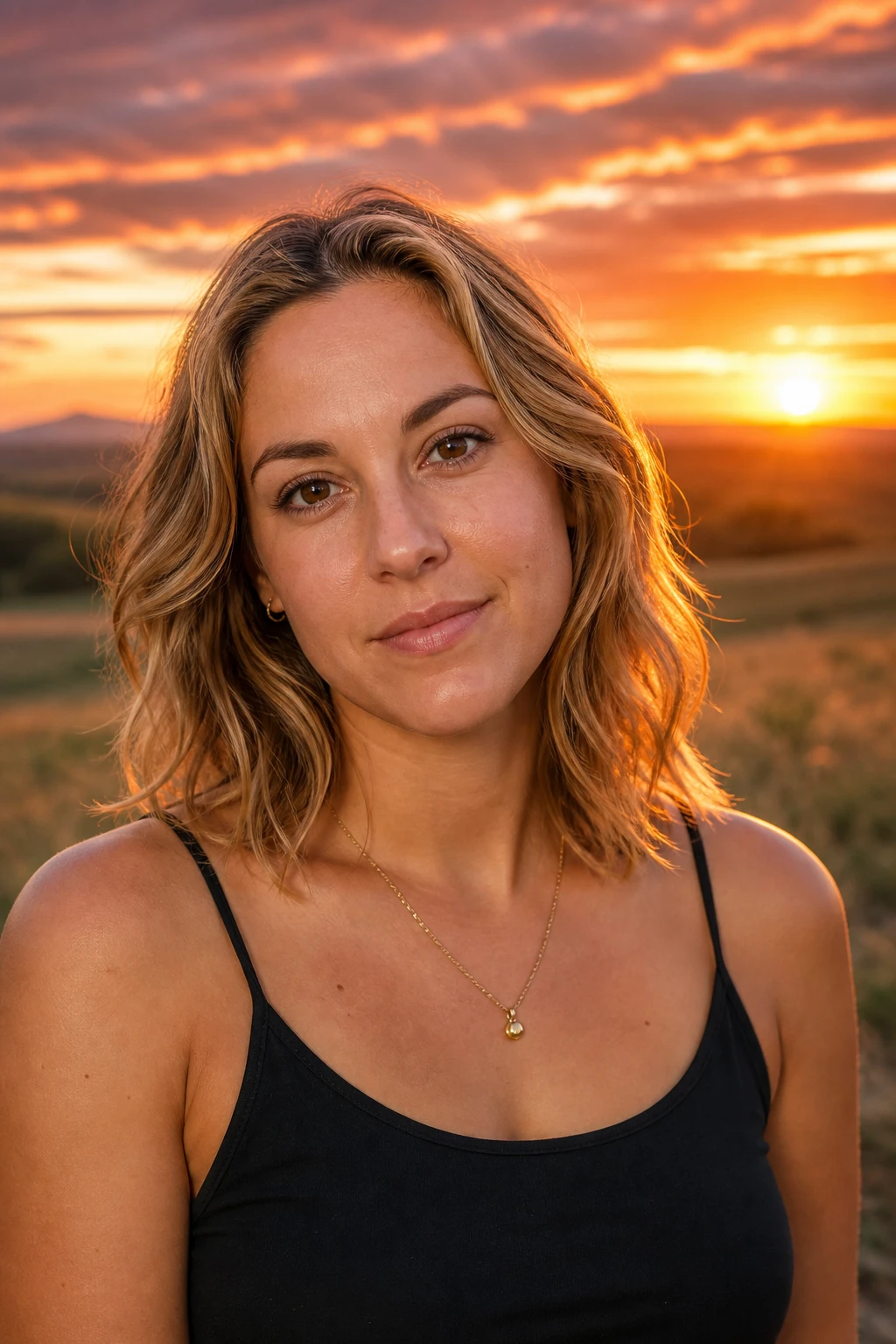
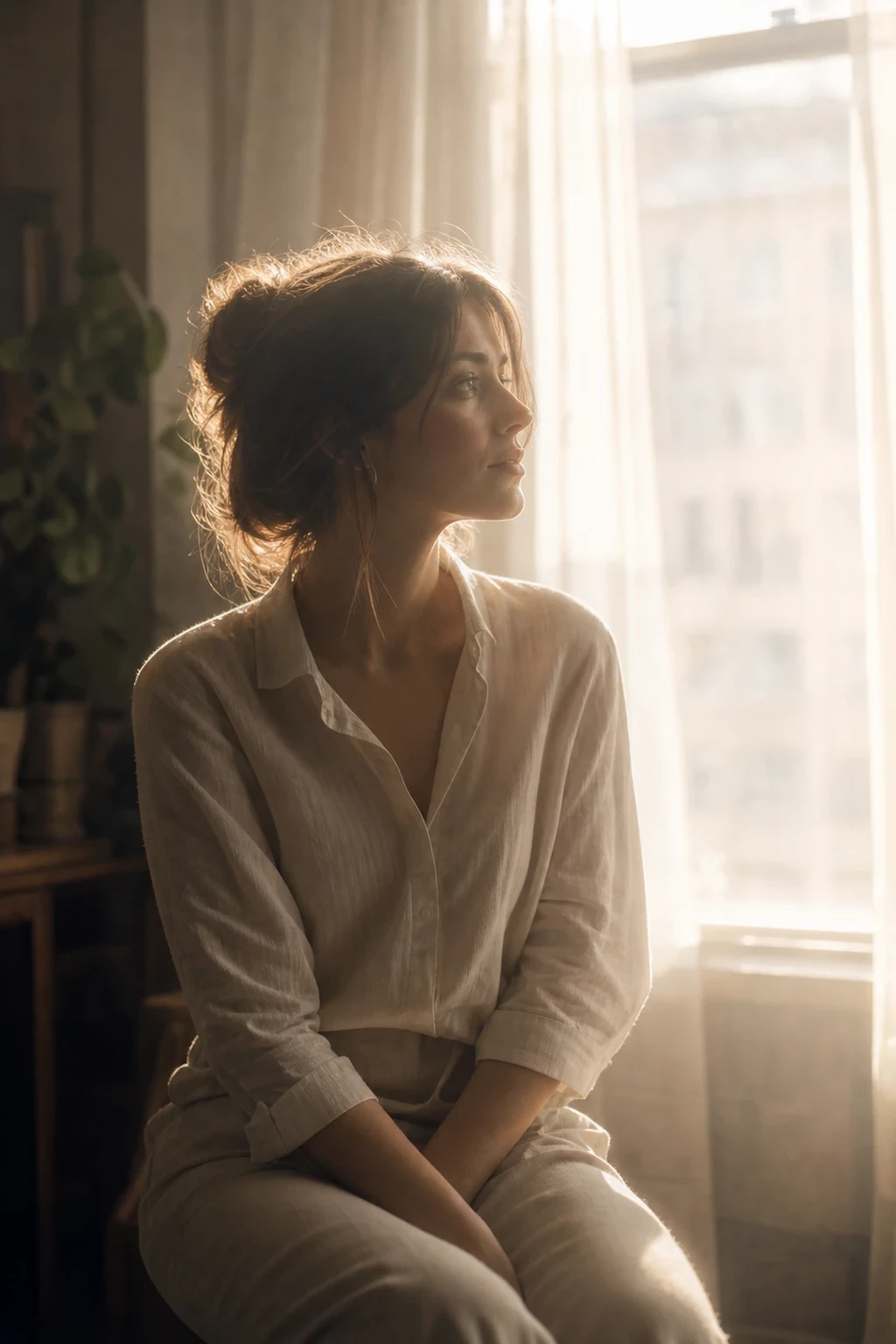
A window acts like a huge softbox on the wall: side lighting with gradual falloff. Direct sun is a small hard source that makes fast shadows; open shade or overcast turns the sky into a giant diffuser. You shape the result with angle, curtains, and reflectors — not by “turning down” the sun.
When to use it
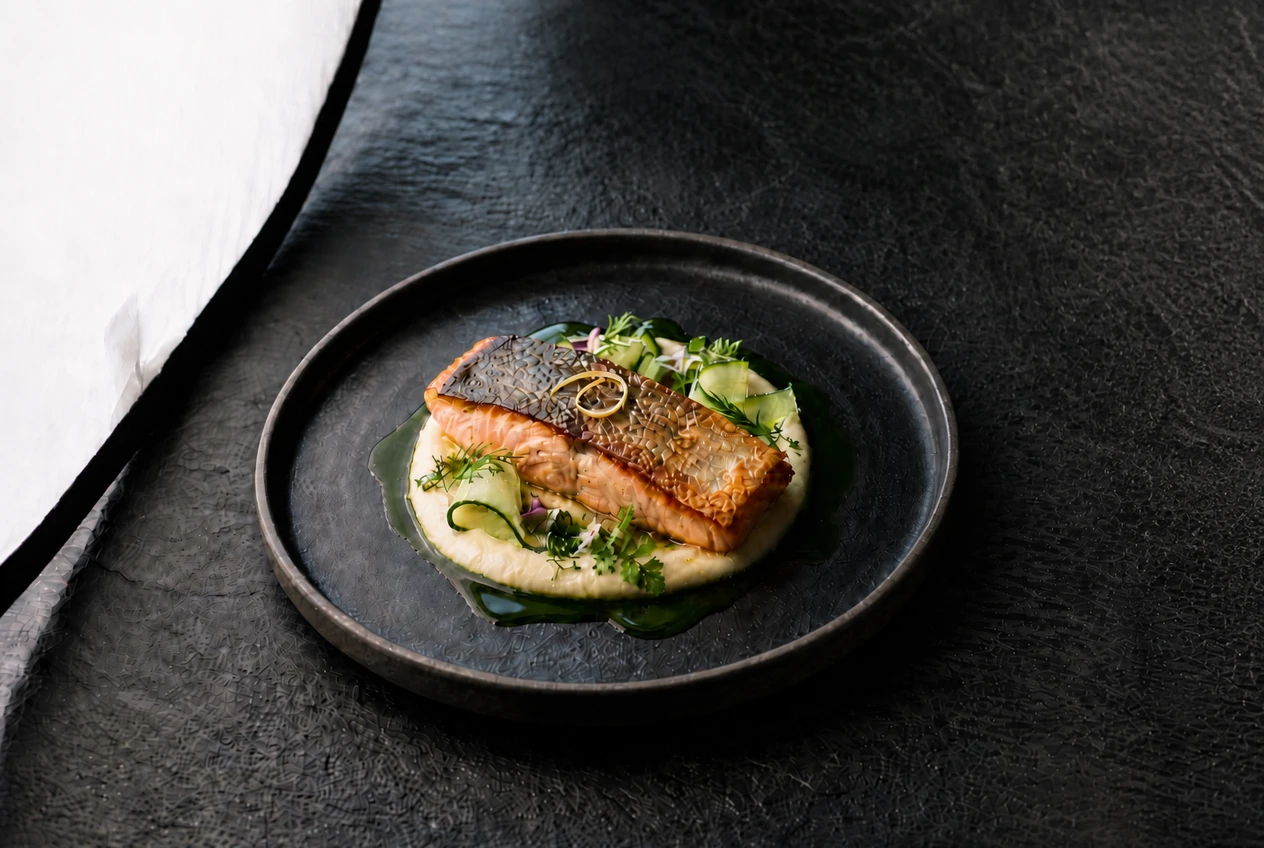
Portraits, food, interiors, lifestyle, and every lesson about bounce, scrim, negative fill, and backlit rim without owning flash.
What to look for in the photo
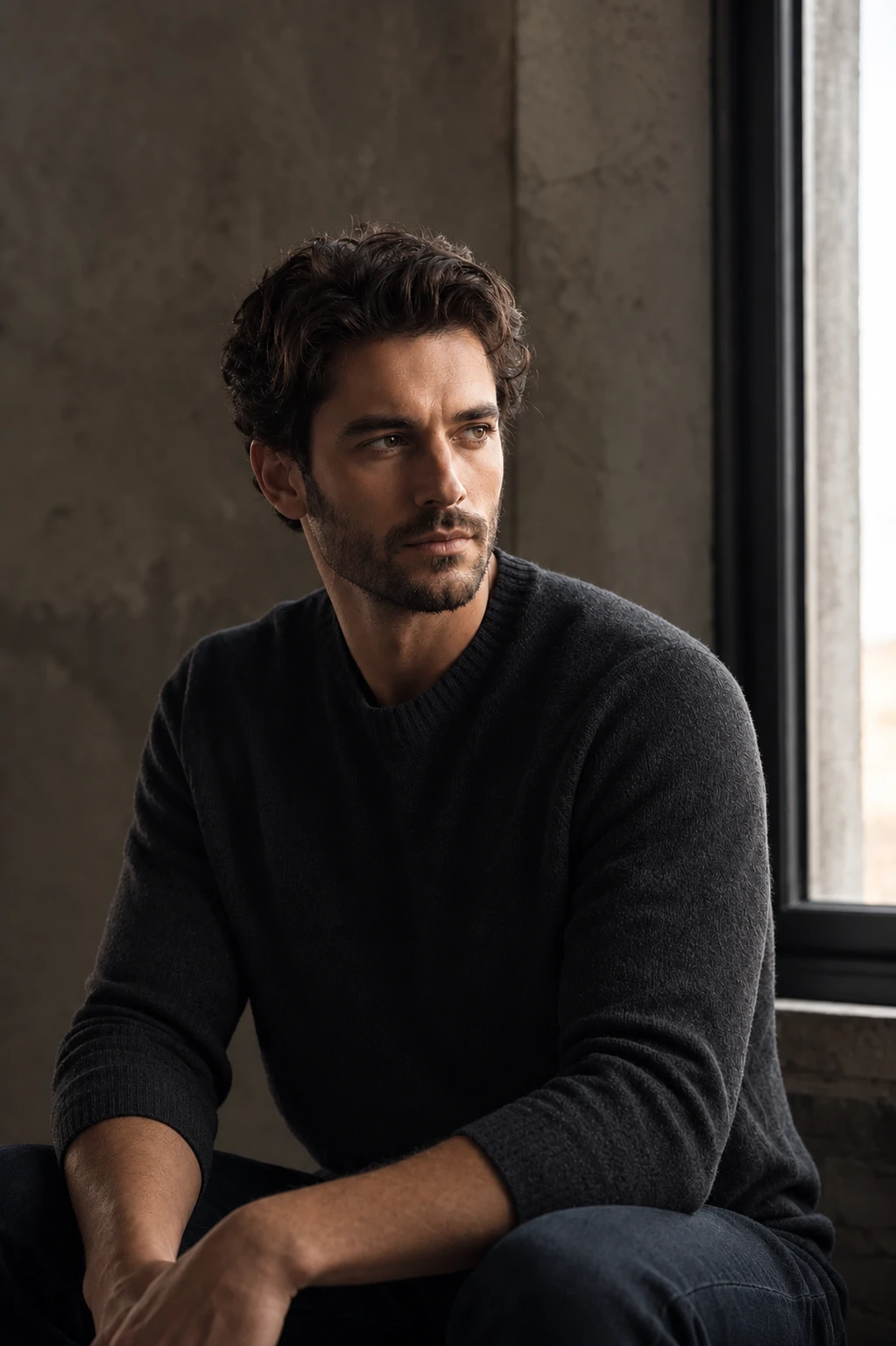
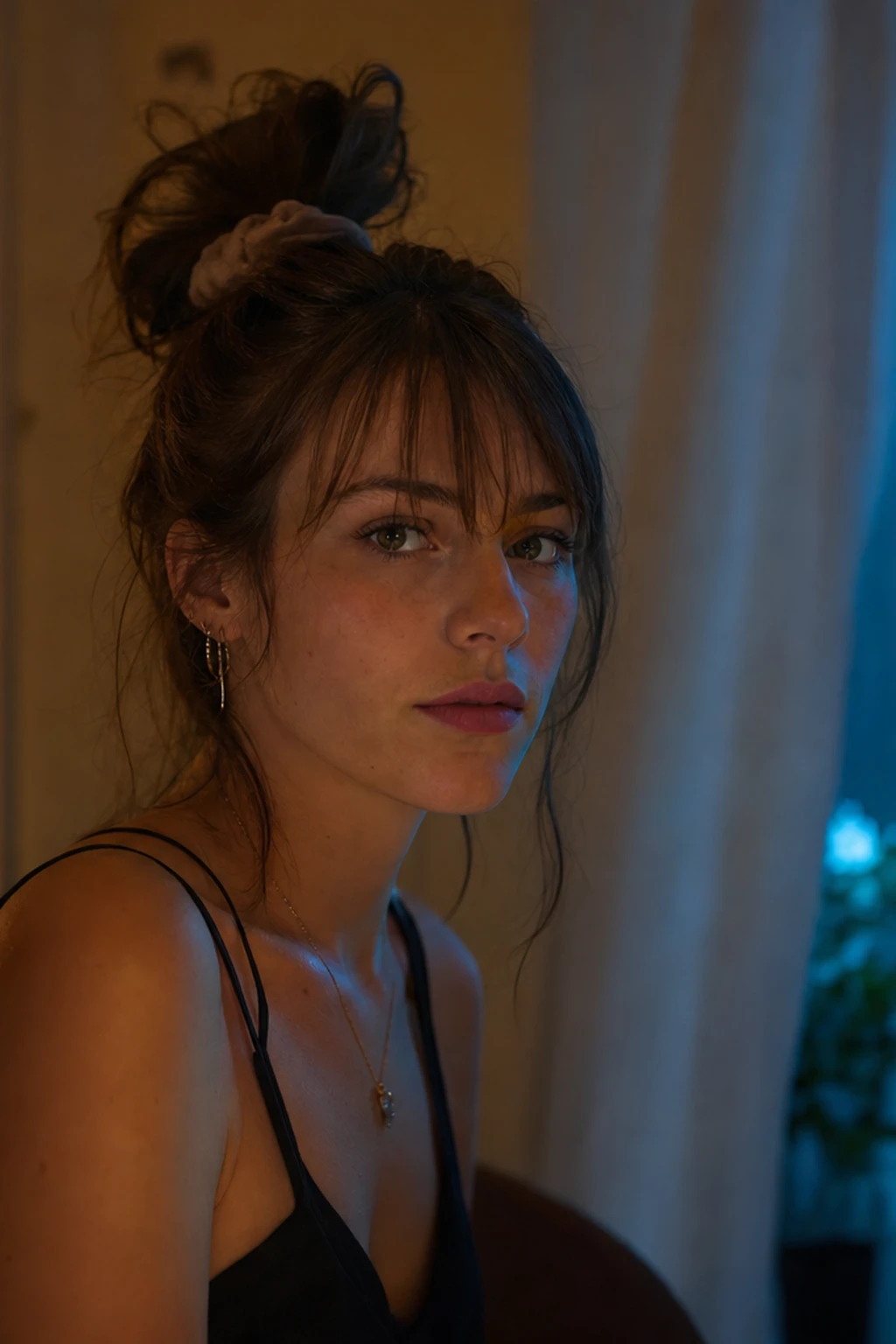
Window side light: triangle of light on the far cheek (Rembrandt), soft shadow edge if diffused. Hard sun: crisp nose shadow, squinting, high contrast. Backlit: glowing rim hair with face potentially dark without bounce.
Placement basics
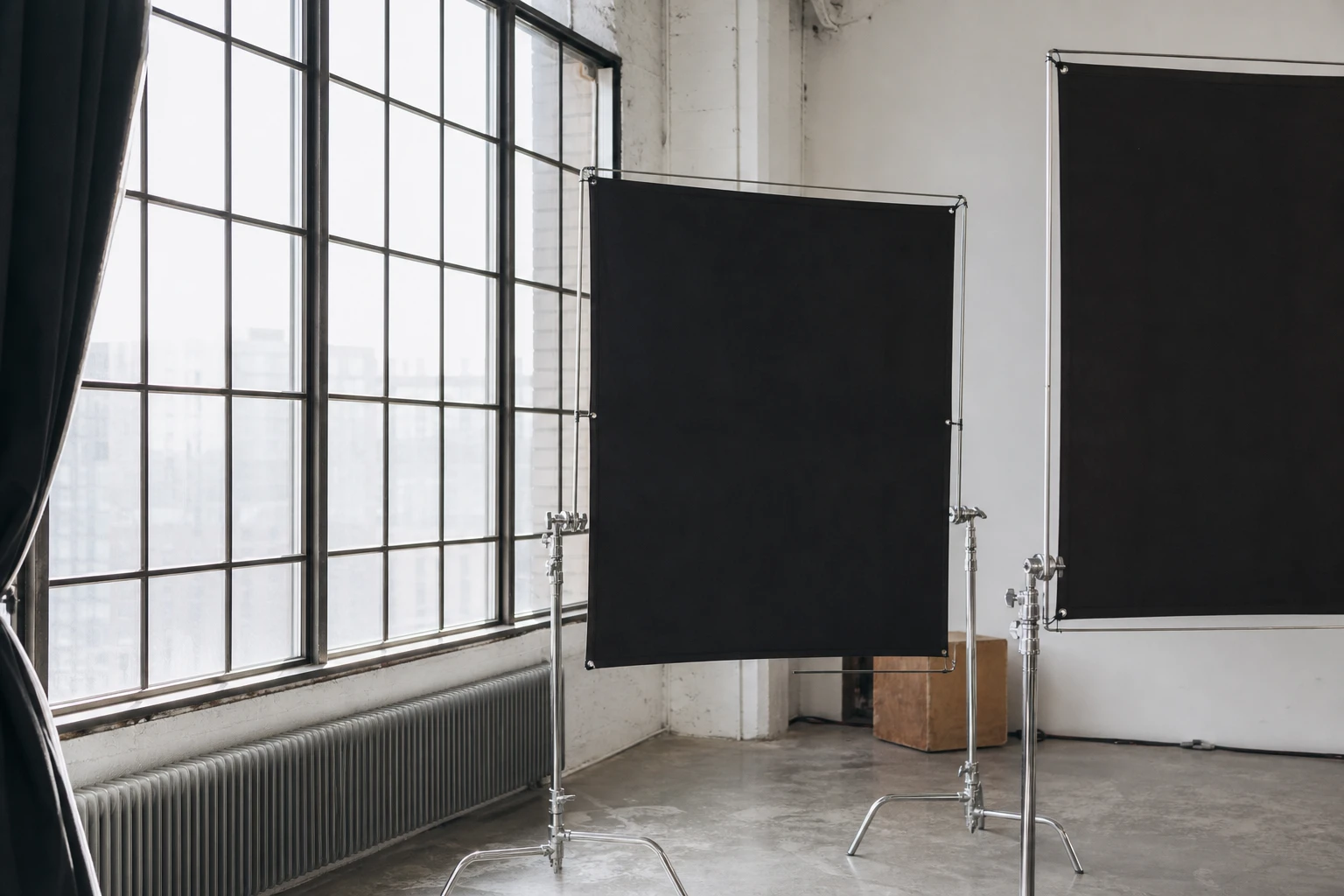
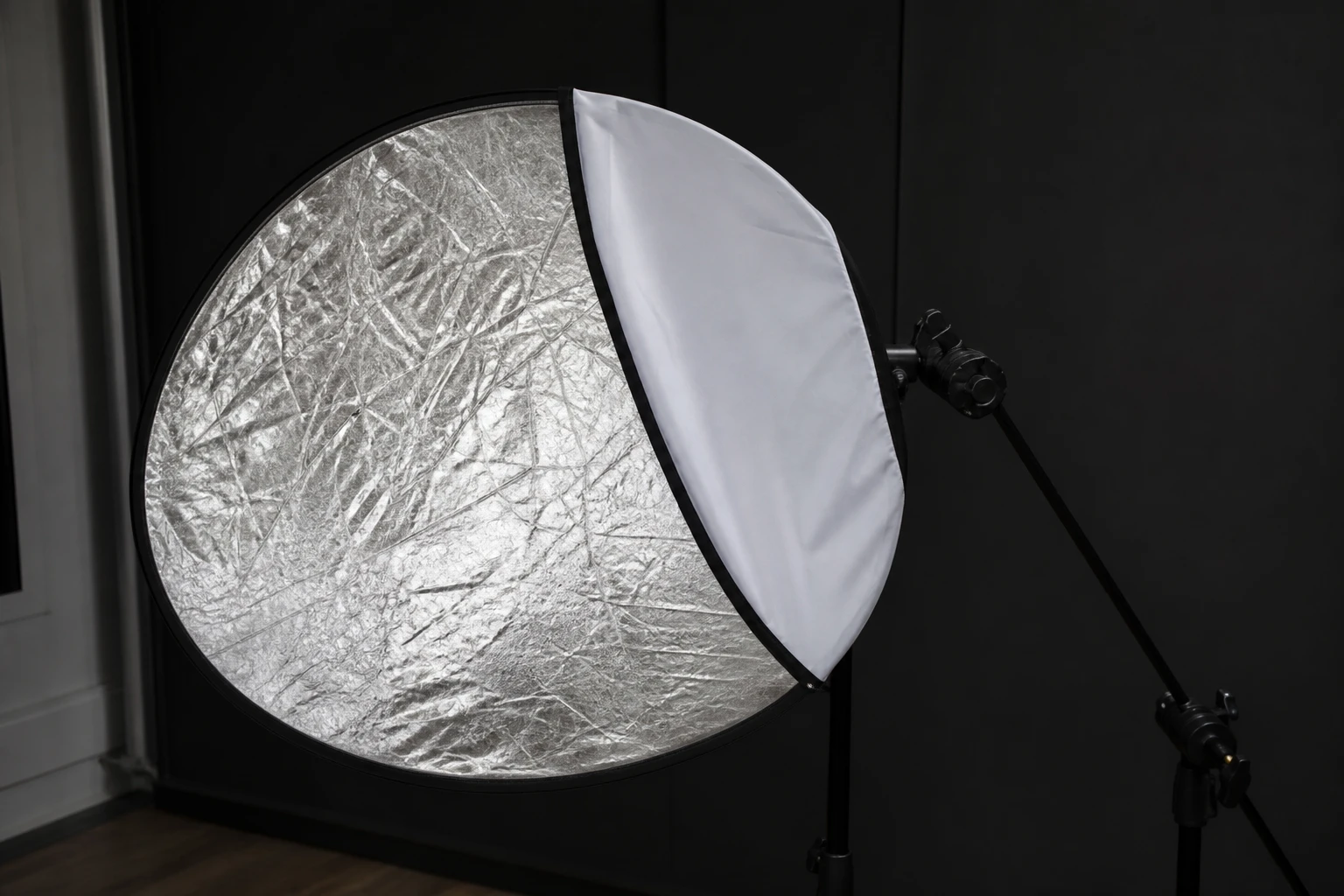
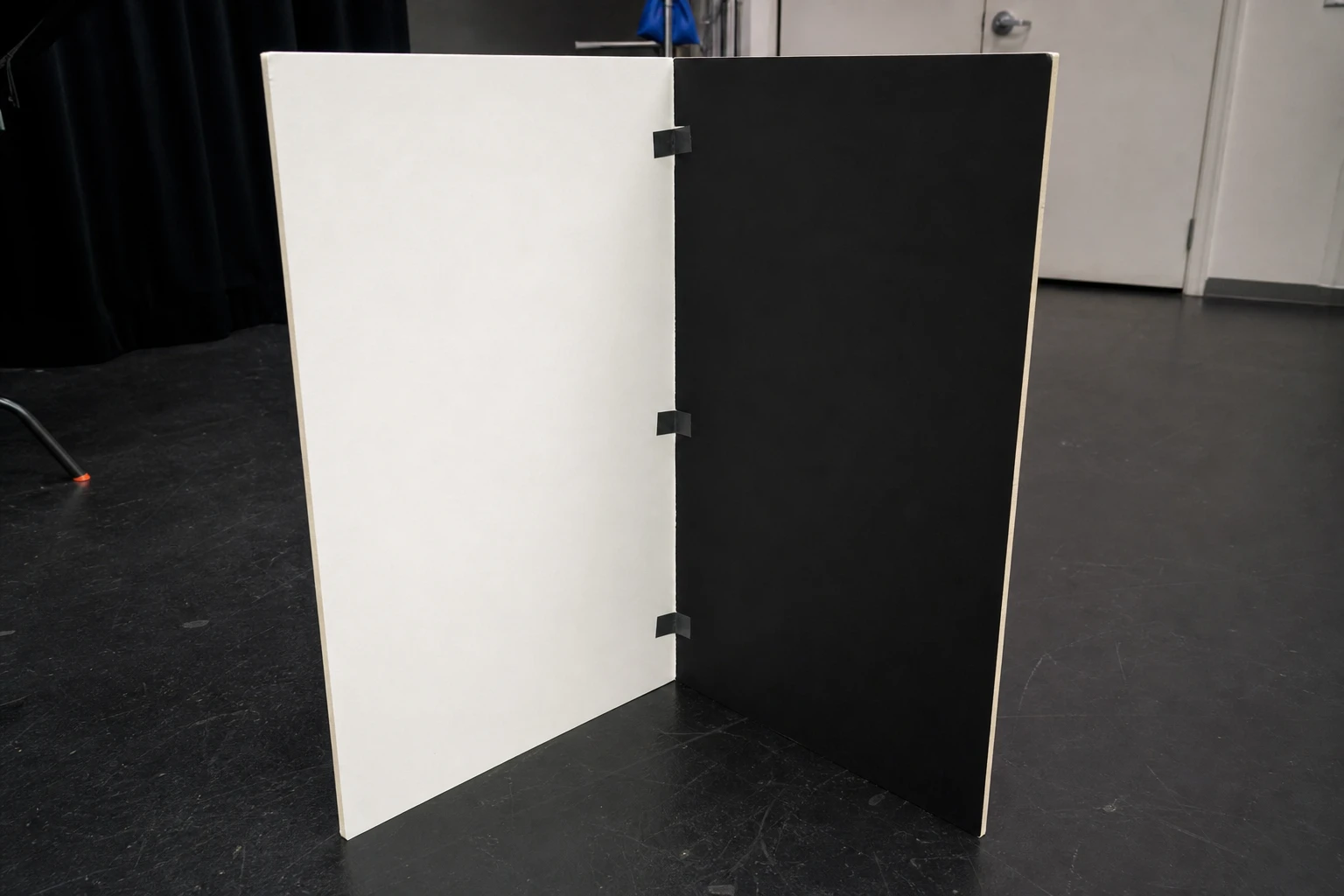
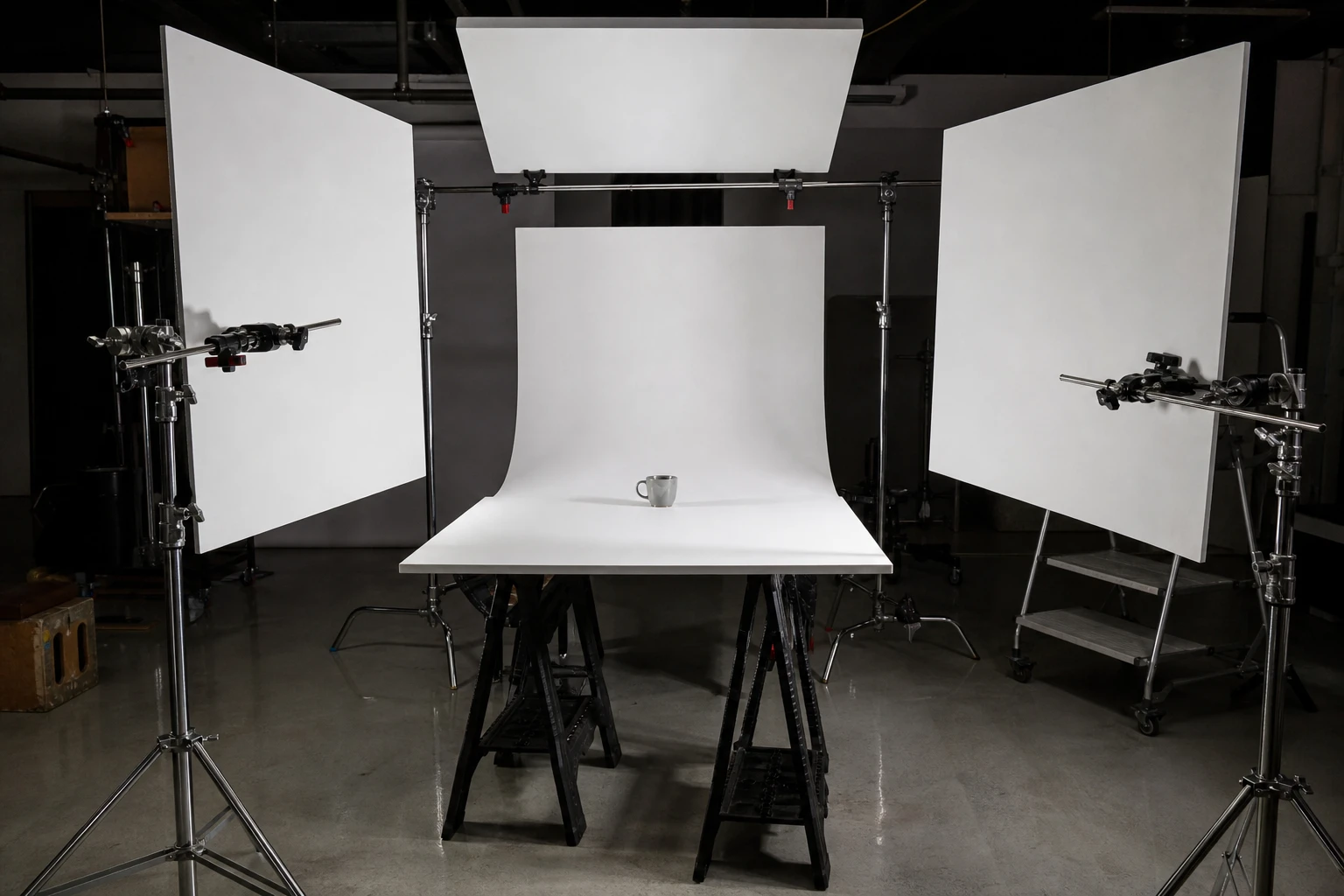
Rotate the subject until the highlight plane reads on the cheek you want as “key.” For soft skin, use indirect window (not sun patch on floor) or sheer curtain. Place white bounce opposite window; black foam opposite for drama.
Distance & power
You cannot change sun power — you change subject position, time of day, and exposure. For windows, expose for skin, let exterior bloom, or expose for view and lift interior with bounce.
Common mistake
Shooting at noon in open sun when the brief asks for soft editorial skin. Fix: open shade, scrim, or wait for lower sun.
Pro tip
Cloud passing = free dimmer. Re-meter when the sky changes.
Practice on set
- Shoot a reference frame with no bounce to see default contrast.
- Add white bounce and note catchlight return in shadow-side eye.
- Try black negative fill on shadow side for one comparative frame.
- If backlit, expose for face with bounce — let windows bloom intentionally.
Pairs well with