Editorial
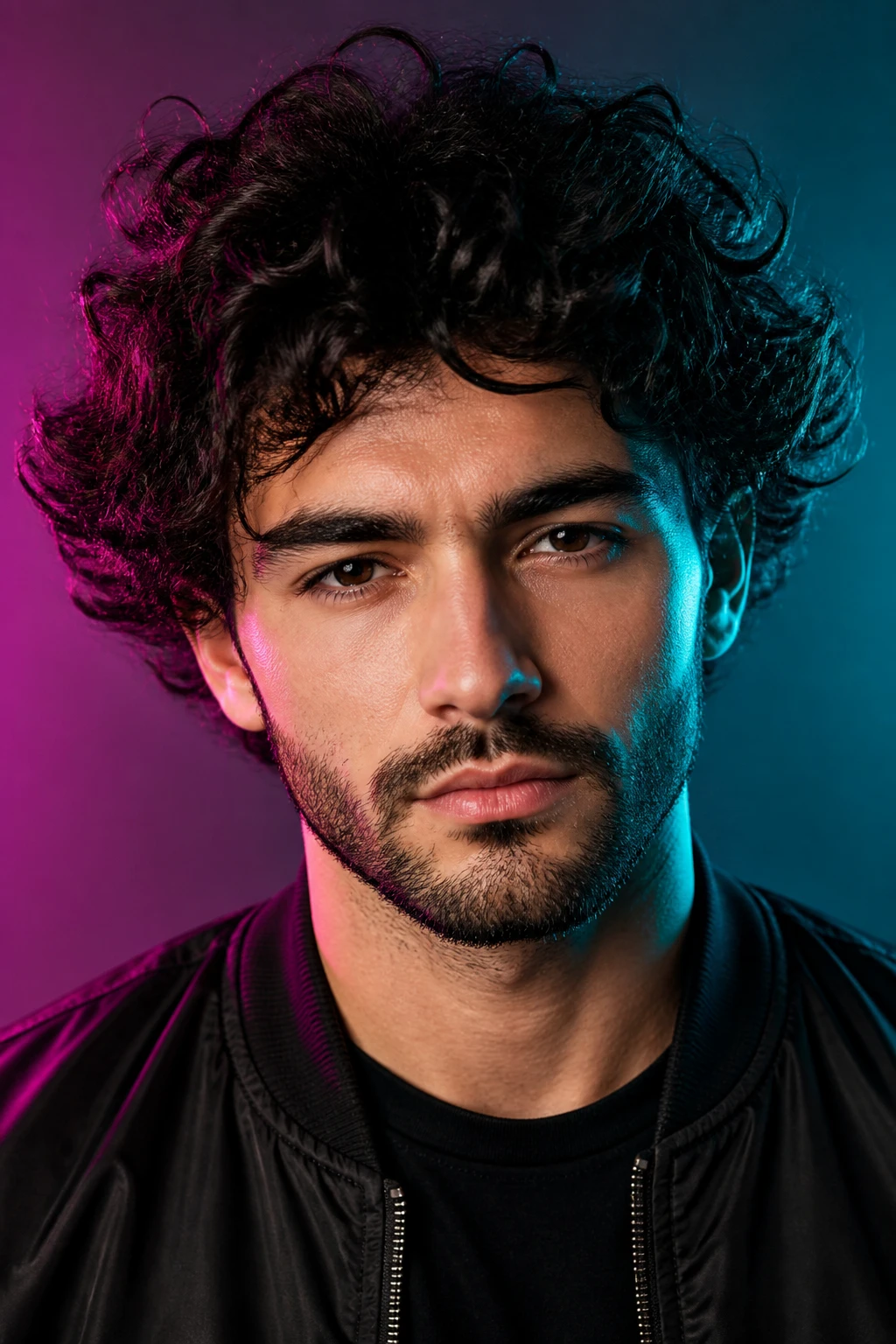
Colored Gel Background Portrait
Handheld prism on gel edges — key and gel recipe held constant.
Open in Light BuilderFashion and music-video photographers
In-camera composition effects — rainbows, star points, and faux anamorphic streaks without moving a light.
15 min read
Creative lens filters bend or replicate light in the frame for effect you cannot get by moving a strobe alone. A handheld prism or kaleidoscope glass in front of the lens splits, duplicates, or rainbow-fringes highlights while the subject stays roughly in register — photographer moves glass for composition. Star filters are threaded glass with fine etched lines that turn point highlights into four-, six-, or eight-point stars — city lights, flash on sequins, sun glints. Streak filters (anamorphic-style) smear point sources into horizontal or vertical lines — music video and fashion trope without anamorphic lens cost.
These are composition tools, not exposure or glare tools like ND or CPL. Light scheme — key angle, gel on background, direct flash fashion look — stays fixed; filter adds optical jewelry in camera. LightSchemes tags creative filters when the hero image honestly includes the effect: star points on background bulbs while on-camera flash key unchanged, or prism rainbow on gel edge while key and rim recipe hold.
Prism requires live manipulation — assistant or photographer hand-holds at lens front, rotates and slides for frame. Star and streak mount like screw-on filters — repeatable between frames. All three increase flare risk — hood off often, light sources near frame edge encouraged when effect is the goal.
Creative filters reward a locked lighting recipe — set key and gel first, then add prism or star so you know which effect came from glass versus light move.
Prism: stand slightly off-axis to subject, hold prism between lens and scene, watch live view for rainbow or duplicate edge entering frame. One hand on camera, one on prism — or assistant tracks talent while photographer shoots. Exposure may shift — meter after prism placement; TTL flash may hunt. Focus on subject plane; prism blur is feature not bug.
Star filter: thread on lens, identify point sources in background — bare bulbs, small LEDs, specular on metal. Rotate star filter so streak alignment matches art direction (four-point vs eight-point purchased at filter buy). Direct flash on subject usually does not star unless specular wardrobe; background practicals star while face stays lit per setup.
Streak filter: horizontal streak filter turns point highlight into line across frame — neon sign, single bulb, flash rim on chrome. Vertical streak variants exist; anamorphic blue streak is separate premium glass. Align streak direction with composition lines — eyes along streak for fashion poster.
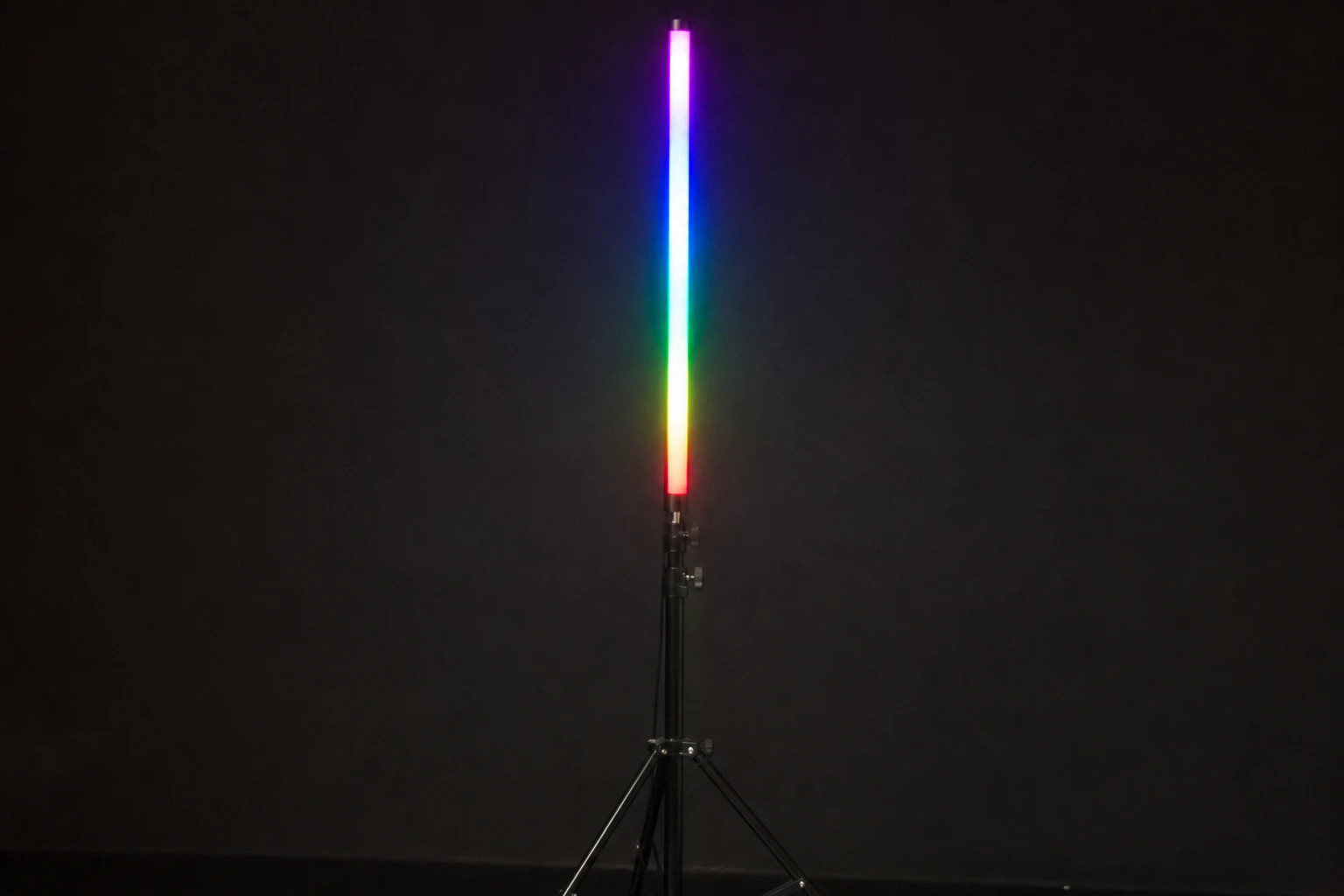
Setup examples: colored gel background portrait with prism on gel edge — key softbox unchanged, prism catches gel saturation at frame border. On-camera direct flash fashion with star filter — hard key on face per recipe, stars on club lights behind. Tube neon room — compare mist guide versus prism: mist blooms; prism fractures.
Prism position changes every frame — shot list should allow exploration time; not for fast corporate headshot turnover unless effect is one hero frame. Mark floor tape for talent and camera when you find a good prism path for series consistency.
Star filter repeatability high — same bulb distances produce same star each frame. Move talent relative to background lights to change which bulbs star and which stay bokeh circles. Aperture affects star length — wider apertures lengthen the legs, stopping down makes them thinner and shorter. Unlike natural diffraction stars, a star filter works at any aperture — choose aperture for depth of field and dial leg drama with the filter, watching that bright points do not clip to blobs.
Streak filter strongest when source is small and bright — large softbox does not streak; bare bulb or pin specular does. Add rim or edge light aimed to produce chrome point if wardrobe lacks specular.
Distance to filter matters for prism — closer to lens versus closer to subject changes abstraction scale; teach assistants to stay consistent within a look.
For star filters, stop down one third stop if stars clip to white blobs — leg definition needs highlight headroom.
Creative filters eat contrast and add stray light — expect slight fill lift in shadows from flare. Compensate with lower ISO or faster shutter if exposure climbs. Flag key light off front element when unintended flare streak ruins face — only background should flare when that is the plan.
Flash recycle and prism: burst shooting heats glass in hand — pause between frames. Star filter with flash background: rear lights on dimmer, key flash on subject; stars read on rear practicals without washing face.
Color from prism is physical splitting — not fixed in post one-click; white balance still set for skin on key. Gelled background plus prism can produce rainbow on gel edge — align prism where gel is brightest.
Face integrity — prism should not cut face in half unless editorial intent; star should not dominate eyes. Streak through face can work fashion; verify client brief.
Duplicate subject edges from prism — check for accidental second nose; rotate glass. Star alignment — legs symmetrical on hero bulbs; rotate filter ring. Streak through frame — does line lead to subject or slice awkwardly through chin?
Autofocus — may grab prism ghost; switch to single point on eye, manual fine tune for hero.
Budget star filters produce uneven leg length — invest in one quality thread size you use most; rent anamorphic streak glass for campaign when fake streak filter looks stepped. Prism quality varies: optical glass prism costs more than toy triangle; teaching setups should name approximate tool tier when effect is part of composition brief.
Rehearse prism with stand-in before talent — hand fatigue changes frame; schedule filter play after core coverage is banked so client has safe shots if creative frames fail.
Document which background bulbs were left bare for star filter — gaffer tape mark on floor behind talent speeds reset if card order changes between setups on same stage.
Star legs angle follows filter ring rotation — note ring position when you nail hero so second camera unit can match for BTS stills and continuity.
Moving key light to fake prism effect — teaches wrong lesson; lock scheme, move glass only.
Star filter on soft large sources — no points appear; add point sources or specular wardrobe.
Prism during client proofing session without brief — looks experimental; agree in advance.
Dirty threaded star filter — smear legs; clean before shoot.
Overexposing background because stars need brightness — face blows; balance rear dimmer down, key correct.
Tagging setup with star filter when stars were added in post — dishonest teaching; note composition tool accurately.
Using streak filter wide open on messy highlight field — every chrome piece streaks; simplify set or flag extras.
Assuming creative filter fixes boring light — recipe still must be valid; filter is garnish on good scheme.
Build a short shot sequence for prism work: wide establish without glass, hero with prism, tight clean without — editors need one safe frame; lighting stays on one recipe across sequence. Star and streak filters benefit from the same discipline: establish clean proof, then add filter for campaign hero.
For on-camera flash fashion with star filter, hard key on face is unchanged — stars read on background points only when rear practicals are small and bright relative to subject; dim room ambient so stars do not compete with skin exposure.
Same lighting idea, different canonical setups — open any card in Light Builder.
Editorial
Handheld prism on gel edges — key and gel recipe held constant.
Open in Light Builder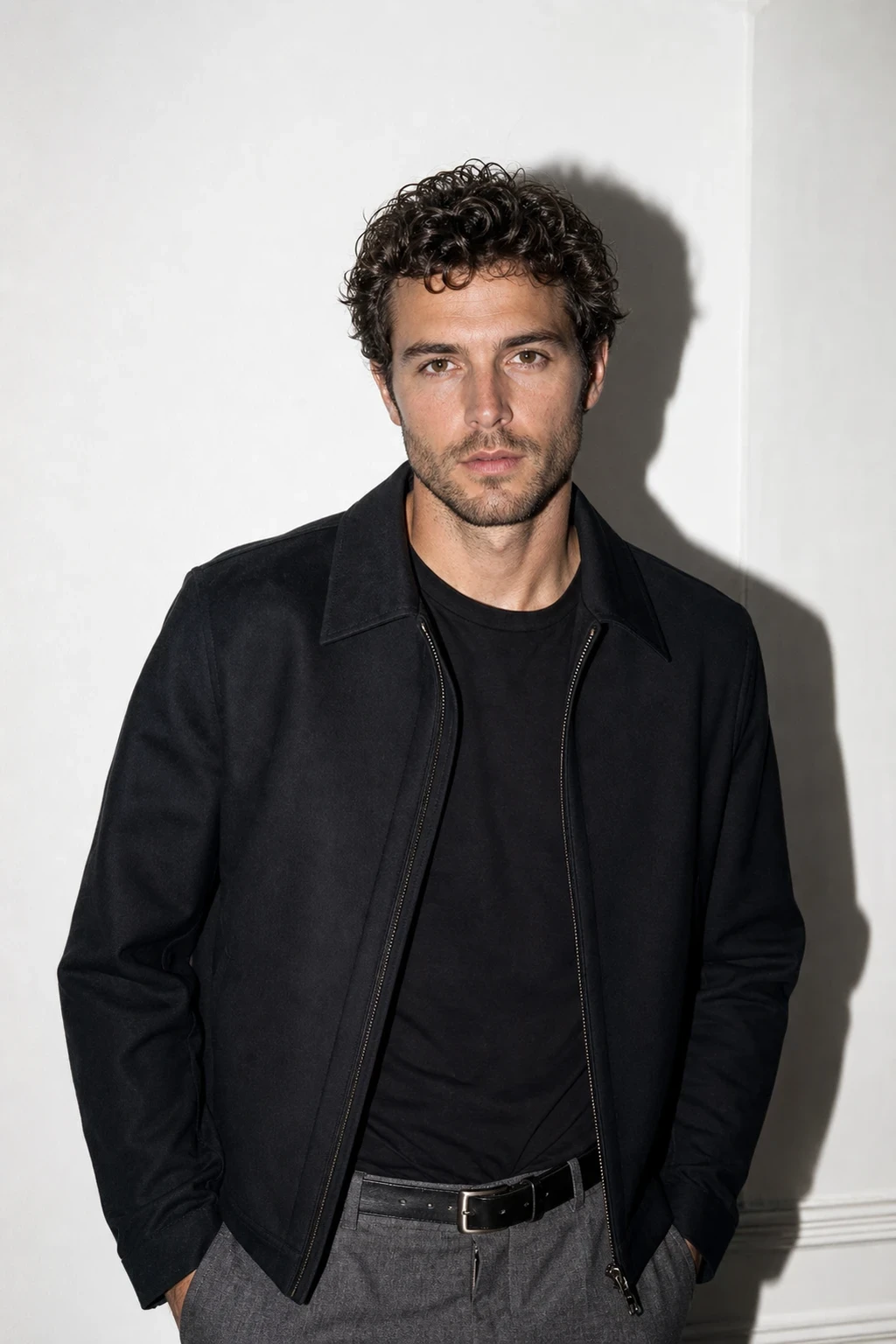
Editorial
Star filter on background points — direct flash key unchanged.
Open in Light Builder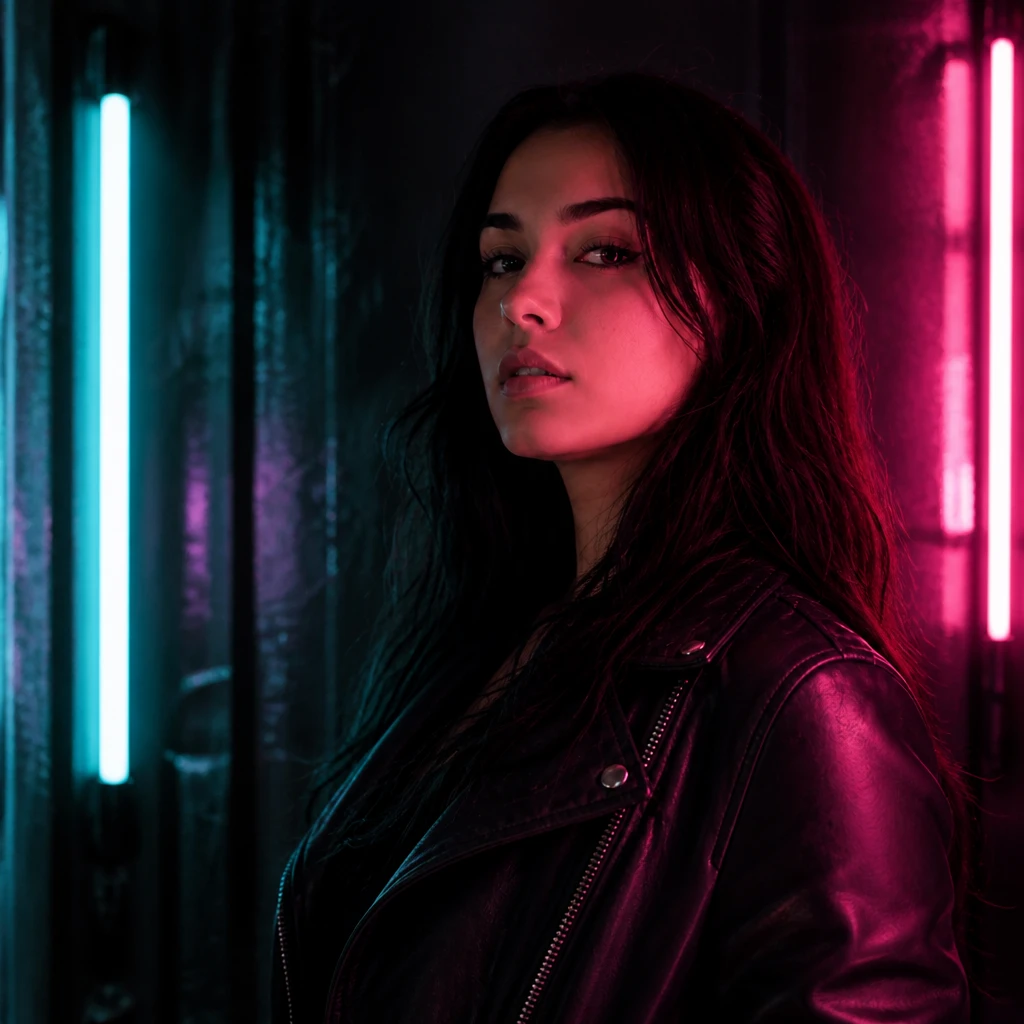
Neon
Compare mist vs prism on the same neon recipe.
Open in Light BuilderWalk the setup one light at a time, or dial passes live in the relight studio.
Separate subject from backdrop with gelled rim or background wash — without relighting the face.
Pro-Mist and Black Mist bloom highlights in-camera — when that beats a larger softbox or more fill.
Place a single hard source above the face, read chin and nose shadows, and dial distance before you add fill.