Portrait and cinematic photographers
Mist and diffusion filters on the lens
Pro-Mist and Black Mist bloom highlights in-camera — when that beats a larger softbox or more fill.
17 min read

What is a mist or diffusion filter?
Mist filters — Pro-Mist, Black Mist, Hollywood Black Magic, and similar — are optical diffusion mounted on the lens that scatter a small percentage of light from bright areas into surrounding tones. Highlights bloom gently, contrast rolls off, and skin texture softens in camera without moving a light. Strength is graded in fractions or percent: 1/8 Pro-Mist is subtle; 1/2 and full grades read clearly cinematic. Black Mist adds density in the halation so bloom does not lift shadow floor as much as classic white Pro-Mist — popular for night neon and LED practicals.
Diffusion on the lens is not the same as diffusion on a softbox. A larger source changes shadow geometry — softer edge, different catchlight shape. Mist leaves light positions, angles, and ratios intact; it changes how recorded highlights and micro-contrast render. On LightSchemes, setups tagged with mist mean: same scheme, optical character added. The diagram and sandbox still teach where the key, fill, and rim sit; the filter note explains why highlights glow at window rim or tube practical without adding another bounce card.
Photographers reach for mist when in-camera softness beats post — video workflows, clients who forbid heavy retouch, or backlit portraits where halation around hair reads romantic. Black Mist at night tames LED clipping on skin while keeping tube color in background. Daylight window rim benefits from light Pro-Mist when you want glow without widening the window or adding fill that flattens shadow side.
Mist adds halation; it does not add fill — if shadow side is too dark, still add bounce or reflector before you crank filter strength.
On the lens in practice
Mount mist filter after composition is locked; stronger grades slightly lift flare and reduce micro-contrast globally — refocus critical if your copy is soft at wide aperture. Shoot test frames at 1/8, 1/4, 1/2 if kit allows — many photographers own one strength and learn it deeply rather than stacking filters.
Backlit window portrait: window rim stays camera-left or right per setup; Pro-Mist 1/4 blooms rim into hair and shoulder without changing window distance. Fill bounce placement unchanged — mist will not lift nose shadow; reflector still does. Night interior with tubes: Black Mist 1/8 keeps neon edge readable while face under practical softens; tube positions in setup teach color separation.
Compare mist versus moving softbox closer — closer box changes shadow falloff and catchlight size; mist keeps hard sun edge but blooms highlight core. Teaching moment: choose mist when light recipe is correct but highlight recording is too crisp for mood.
Video: mist often stays on for entire scene — still photographers may remove for flat documentation shots and add for hero frames. Note on setup which frames used mist for honest reproduction.
Strength, halation, and contrast
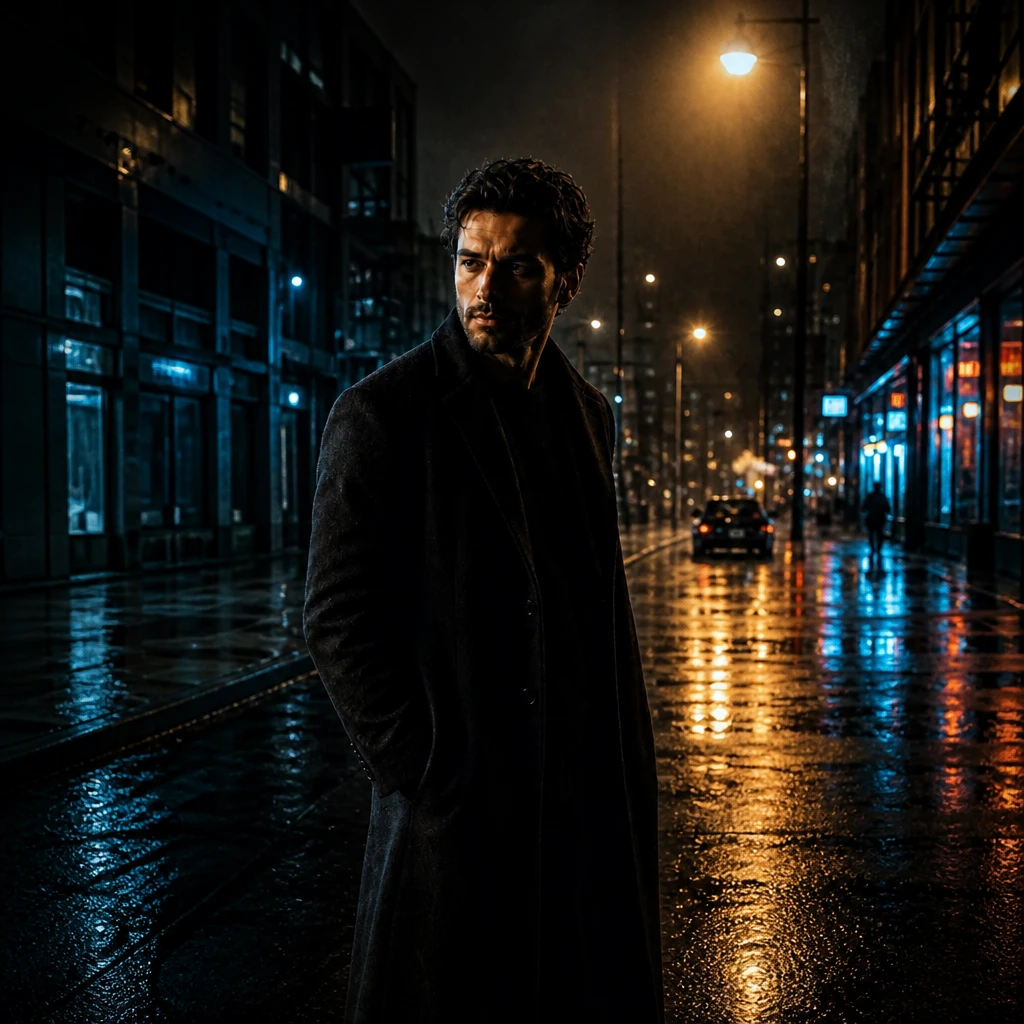
Higher mist strength = more highlight scatter, lower apparent sharpness, possible visible glow around point sources. Lower strength = subtle commercial polish — skin slightly gentler, specular less clinical. Black Mist preserves deeper blacks than white Pro-Mist at same grade — fashion night exteriors favor black; bridal soft key favor white Pro-Mist.
Point sources bloom most — bare bulb, sun rim, tube in background. Large soft sources bloom less visibly — mist on clamshell beauty may look negligible until backlit edge appears. Test with a small LED in background to preview strength before talent arrives.
Stacking mist with wide aperture increases effect — f/1.4 halation more than f/5.6 at same grade. Stopping down does not remove mist; it changes how much highlight core spreads relative to depth of field.
Do not confuse mist with vaseline on filter vintage hack or front-element breathing — modern mist is controlled coating; clean between shoots.
Rate mist strength for the brightest source in frame — sun rim or tube — not average scene brightness.
Fill, spill, and control
Mist does not redirect spill — grids, flags, and distance still control background exposure. If tube spills on face too much, flag tube or add distance; mist only softens how spill looks, not how much arrives. Window backlit: negative fill still deepens shadow side; mist does not replace black V-flat.
Flash with mist: specular on sweat or jewelry blooms — decide if that is mood or mistake. Makeup absorbs more than bare skin — test with talent under same key. Haze machine in air is separate — volumetric beam in setup is physical haze; mist is optical halation on lens; both can coexist but teach different lessons.
Post-production diffusion duplicates mist imperfectly — halation around fine hair strands is hard to fake; that is why cinematographers pay for glass. Still photographers weigh time in retouch versus filter cost.
What to look for
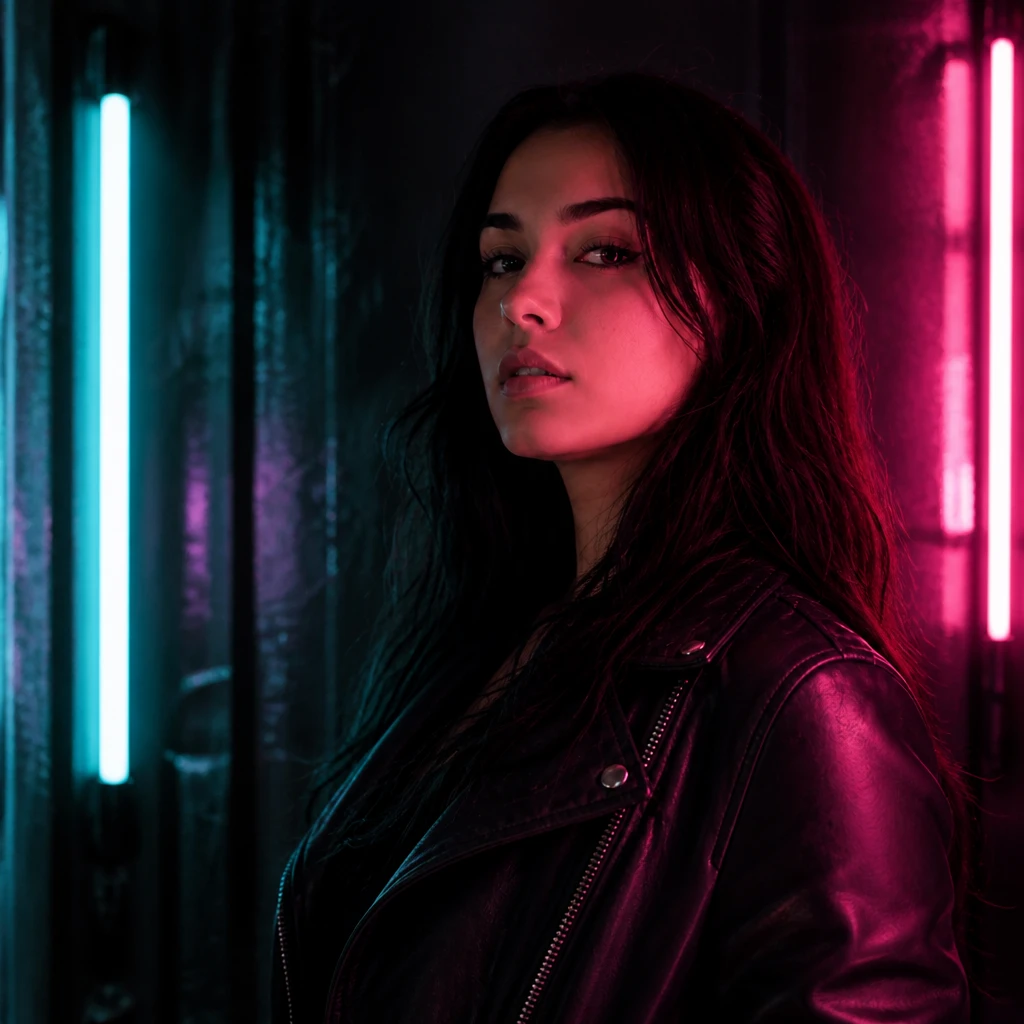
Highlight core — should bloom smoothly, not double image ghost. Shadow floor — white Pro-Mist lifts blacks slightly; verify mood still acceptable. Eyes — catchlights should stay readable; if mist kills catchlight clarity, drop strength or clean filter.
Skin texture — commercial beauty may want 1/8 only; editorial dreamy may want 1/4 backlit. Product with mist rare — label edge softens; usually skip mist on packshot, use on lifestyle layer same set.
Flare streaks if sun in frame — mist increases flare tolerance sometimes and artifacts other times; flag sun disk if unwanted streak.
On set, slate the mist grade on take log — matching strength across scenes in edit is easier when DIT notes match physical filter. If you remove mist for one setup in a series, exposure and contrast jump; keep strength consistent per lighting recipe.
Backlit hair is the honest mist demo: rim stays sharp in placement but glows at perimeter — learners should see that moving window does not create the same glow as mist; window move changes shadow on face, mist does not.
When rim is already soft from large source, mist change is subtle — use smaller rim or harder sun edge if lesson is halation; otherwise learners cannot see what mist contributed.
If shadow side is empty, mist cannot invent fill — add white bounce or reflector per setup diagram before evaluating filter strength on skin.
Common mistakes
Using heavy mist to fix underexposed shadow — muddy, not soft; expose correctly first.
Assuming mist replaces larger softbox — shadow edge still hard from small source; mist only blooms highlights.
Black Mist on daylight fill side expecting shadow help — use white bounce instead; Black Mist is not fill.
Dirty mist filter — fingerprints become giant smear blooms; handle edges only, pouch storage.
Buying strongest grade first — learn 1/8 or 1/4; resale market full of unused 1 filters.
Tagging setup with mist when only post glow was used — honest metadata; learners trust recipe tags.
Matching mist to wrong color temperature — mist is neutral enough for mixed Kelvin but extreme magenta LED may look worse bloomed; gel tubes first, mist second.
Practice comparing same backlit frame without filter, 1/8, and 1/4 on monitor at capture — build muscle memory for which strength matches your common window rim and tube practical setups. Note filter grade in metadata when collaborating with retoucher so deliverables match proof.
When teaching from a LightSchemes setup, call out whether mist is composition (mood halation) or mistaken for softer light — learners should still move the key if shadow edge is wrong; mist only changes highlight recording.
Try it yourself
Walk the setup one light at a time, or dial passes live in the relight studio.
Tools in this guide

Part of a learning path
Related guides
Mixed Kelvin: practicals and window
Warm lamp plus cool window — motivate color contrast instead of fighting it.
Fresnel light for cinematic portraits
Focusable beam, slash patterns, and haze — noir and drama without losing skin truth.
Color gel backgrounds
Separate subject from backdrop with gelled rim or background wash — without relighting the face.