Commercial
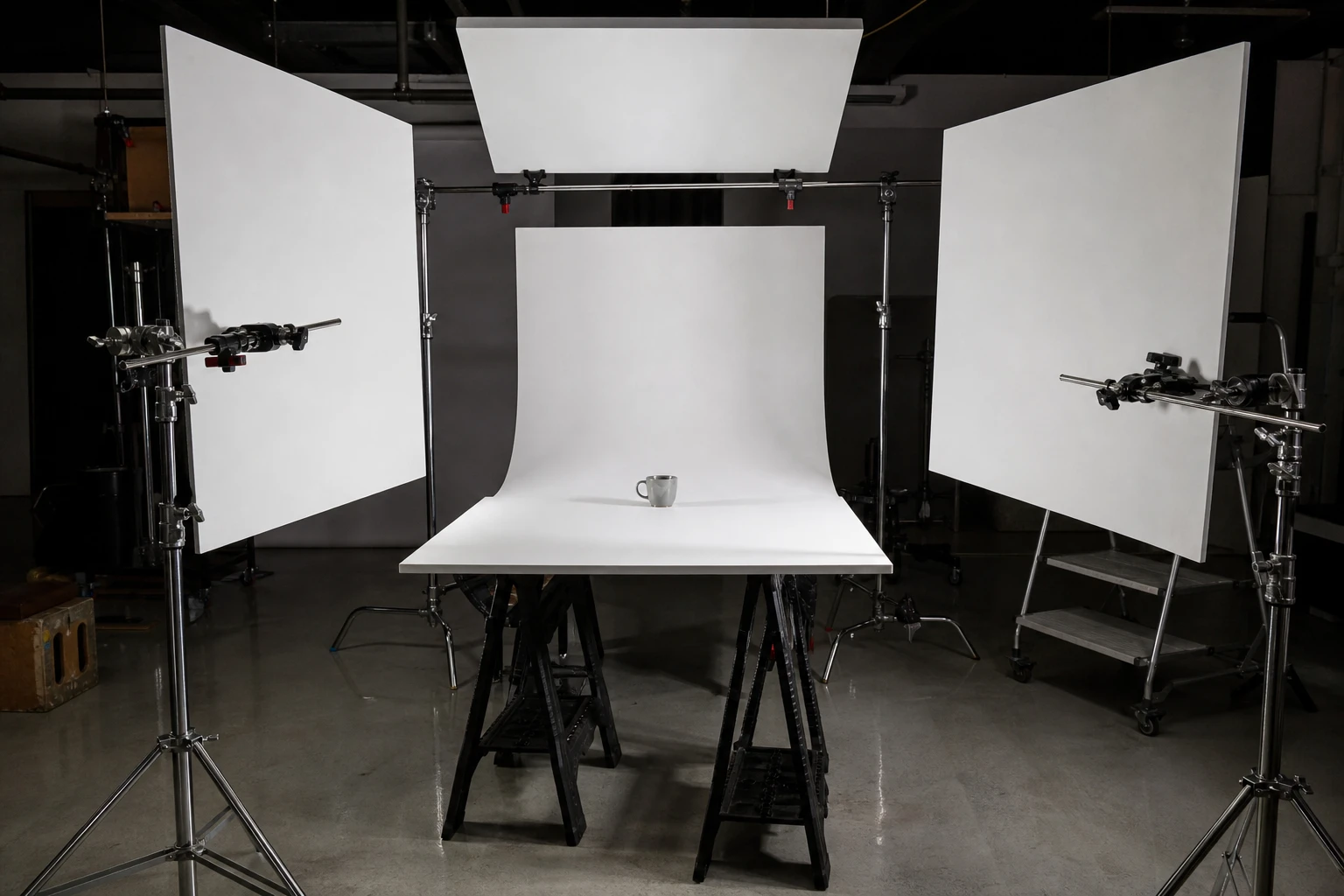
LED Panel Tabletop Product
CPL clears label glare while LED key and cards shape the pack.
Open in Light BuilderProduct and location photographers
Rotate a CPL to cut specular glare on product and foliage — and know when a flag or foam card is the honest fix instead.
16 min read
A circular polarizer (CPL) is a two-layer filter you mount on the lens and rotate while you watch the image. It selectively blocks polarized light — the kind that bounces off non-metallic surfaces at shallow angles — so reflections on glass, water, foliage, and glossy packaging dim or disappear while the rest of the scene stays largely unchanged. Landscape photographers use CPL to deepen blue sky and separate clouds; product photographers use it to read labels through bottle glare; food photographers tame specular hits on wet plates and glassware.
Unlike ND, a polarizer is not neutral: maximum rotation can cost one to two stops of light and can shift sky color toward cobalt on wide angles. Unlike mist or prism filters, CPL is a reflection control tool, not a creative bloom effect. On LightSchemes setups tagged with CPL, the lighting diagram — LED panel angle, tent diffusion, window key — describes where light comes from; the polarizer handles surface glare the lighting alone cannot remove without changing the reflection geometry with flags and cards.
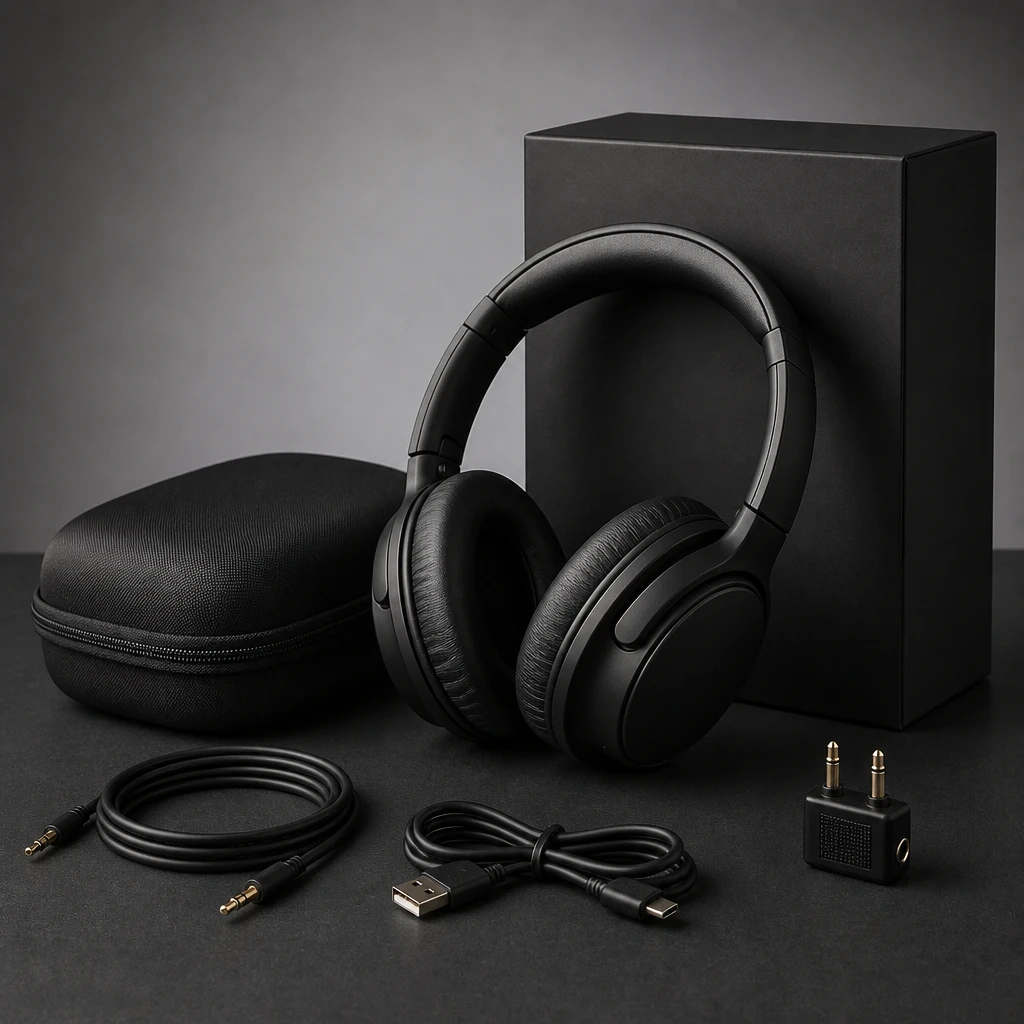
CPL works best when your viewing axis is roughly perpendicular to the reflection angle — shoot at a slight angle to a glossy box, rotate the ring until the hot stripe on the label dulls. It does not remove reflections from bare metal the same way; metal reflects differently. It does not replace black cards on a bottle edge — cards shape reflections; CPL subtracts polarized glare across the frame. Honest product work often uses both: cards draw the highlight strip, CPL cleans scattered glare on the label face.
Rotate the CPL while looking at the problem surface — sky, water, or label — not while staring at the filter ring markings.
Thread CPL on the front element with the rotation ring accessible — bulky lens hoods can block fingers; reverse hood or use a slim CPL. Set white balance and exposure after rotation; maximum polarization darkens the frame. Live view or mirrorless preview makes rotation obvious; optical viewfinder users rotate, shoot test, repeat.
For tabletop product, mount camera on tripod, lock composition, rotate CPL until label text is readable without a blown white patch. Window-lit food: CPL on glassware cuts double-window reflection; window key position in the setup still matters for shape and shadow. Jewelry in tent: CPL helps metal but can fight tent diffusion uniformity — compare with and without; sometimes a mirror card is the right tool instead.
Outdoor portraits with CPL deepen sky behind subject — rotate until sky richest without uneven band across wide lens. Skin is less affected than sky; watch exposure shift on face when sky darkens two stops — compensate aperture or ISO. CPL on portrait is composition and background control, not skin retouch.
When a setup note says “CPL clears label glare,” the lesson is: same lights, readable surface. When note says “flag honest fix,” CPL was not enough — teaching points to lighting geometry instead.
Polarization is strongest at about ninety degrees to the sun for sky work — shoot at right angles to sun for maximum blue deepening. Shooting into or away from sun weakens sky effect. Reflection suppression depends on camera angle to the surface — walk tripod a few inches left or right if rotation alone does not kill glare.
Rotation is continuous — no click stops. Slight under-rotation leaves glare; full rotation costs the most stops and can look unnatural on sky gradients. Product work often uses partial rotation: enough to read label, not enough to muddy the whole pack.
Wide lenses below 24mm equivalent show uneven polarization — sky darker in center than corners; step back or use longer lens for hero packshot. Telephoto CPL effect on sky can look too dramatic — back off rotation.
Stacking CPL with ND for landscapes: multiply stop loss, watch vignette; meter through stack. For studio product, rarely need ND with CPL — flash power handles exposure.
If rotating the CPL does nothing on a glossy box, change camera height or subject tilt ten degrees — polarization is geometric, not magic.
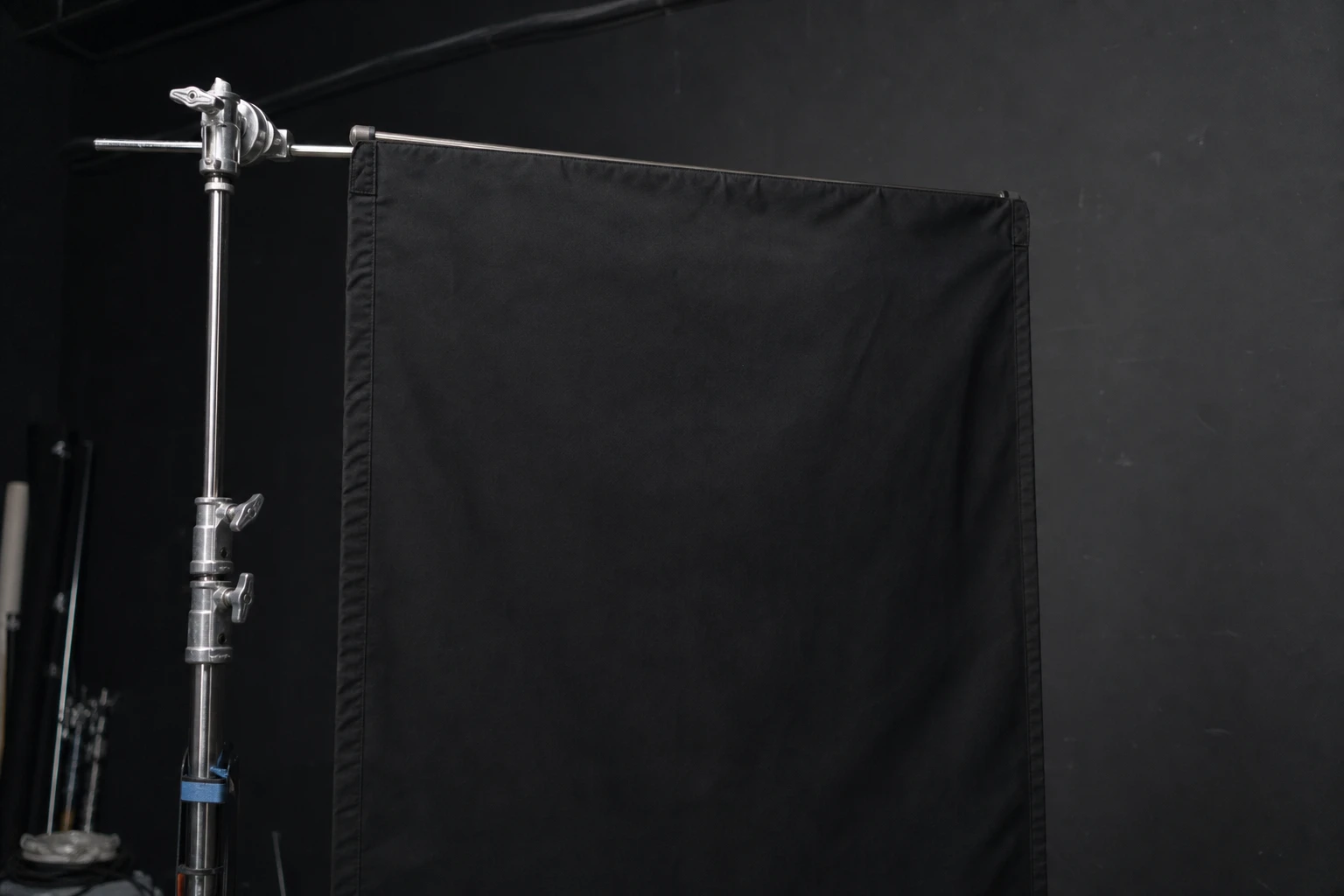
CPL does not soften light — your softbox, tent, or window still defines shadow edge. It reduces specular veiling on surfaces that bounce polarized light toward camera. Black cards still sculpt bottle edges; flags still block spill to background. CPL is not a substitute for negative fill on portrait — cheek shadow depth comes from light placement and fill cards, not filter rotation.
Cross-polarization (polarized gel on light plus CPL on lens) is advanced product technique for killing specific reflections — rare in beginner setups; mention only when studio flash has polarizing film and time to align. Most catalog work: one CPL on lens, cards on set.
Window plus CPL: rotating can make window reflection on glassware disappear while keeping window as key — verify exposure on shadow side of plate still holds detail. LED panel tabletop: CPL cuts panel reflection in curved jar; panel position still sets gradient.
Label readability — text contrast uniform, no milky veil. Sky banding on ultra-wide — reduce rotation or reframe. Exposure drop — compensate after final CPL angle; do not meter before rotation.
Skin tone — should not turn gray or muddy; if face darkens with sky rotation, meter face separately or reduce CPL effect. Metal jewelry — specular may stay; do not over-rotate expecting metal to matte.
Color shift on cheap CPL — green cast on white pack; compare test frame to known gray card; swap filter if cast persists at minimum rotation.
Compare two frames at minimum versus intended rotation on the same tripod — clients often approve the subtler frame; deliver both in proof gallery when teaching glare control. On glossy dark packaging, CPL may reveal fingerprint smudges previously hidden by glare — have styling kit ready; the filter is diagnostic as well as corrective.
Leaving CPL at max rotation for every shot — dark sky, underexposed subject, muddy food; use only what the surface needs.
Expecting CPL to fix direct flash reflection on glass — direct axis reflection may not polarize away; change light angle or flag.
Using CPL on ultra-wide sky hero without checking corners — uneven navy doughnut; shoot tighter or skip CPL.
Forgetting CPL on lens during lighting setup, adding at last second — composition and exposure planned wrong; put CPL on before final meter.
Assuming CPL replaces black cards on glossy bottle — edge highlight still needs card placement; CPL cleans face glare only.
Shooting through airplane window or car windshield with CPL — works sometimes but color shifts multiply; not a studio substitute for honest surface control.
On location interiors, CPL can cut reflection on framed art behind subject while window key still models face — rotate until painting glare fades but window fill on cheek stays. Test with and without: sometimes removing glare also removes intentional sheen clients want on luxury pack; match brief before max polarization.
For teaching product setups in the library, pair CPL notes with card placement — learners should understand filter rotation and foam card angle as two levers on the same glare problem, not competing mysteries.
Same lighting idea, different canonical setups — open any card in Light Builder.
Commercial
CPL clears label glare while LED key and cards shape the pack.
Open in Light Builder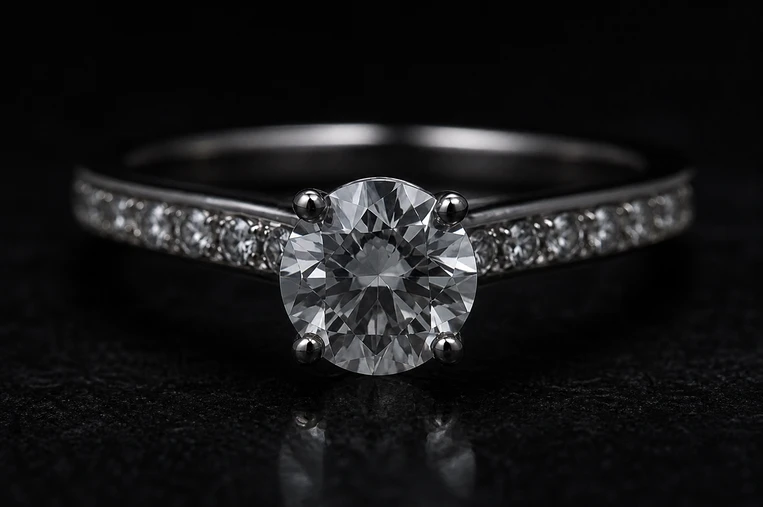
Product
Metal specular control in a tent — CPL vs card angle.
Open in Light Builder
Food
Window key with CPL on glassware and wet plates.
Open in Light BuilderWalk the setup one light at a time, or dial passes live in the relight studio.
Even base exposure, diffusion, and edge definition for small products and packaging.
Sculpt reflections and contrast on bottles, boxes, and lacquer — flags as design.
Bounce light back into shadow side — silver, white, or gold — without a second source.