Beginners on a budget
Umbrella as your first modifier
Shoot-through vs reflective silver — the fastest way to learn distance and contrast.
13 min read
What is umbrella lighting?
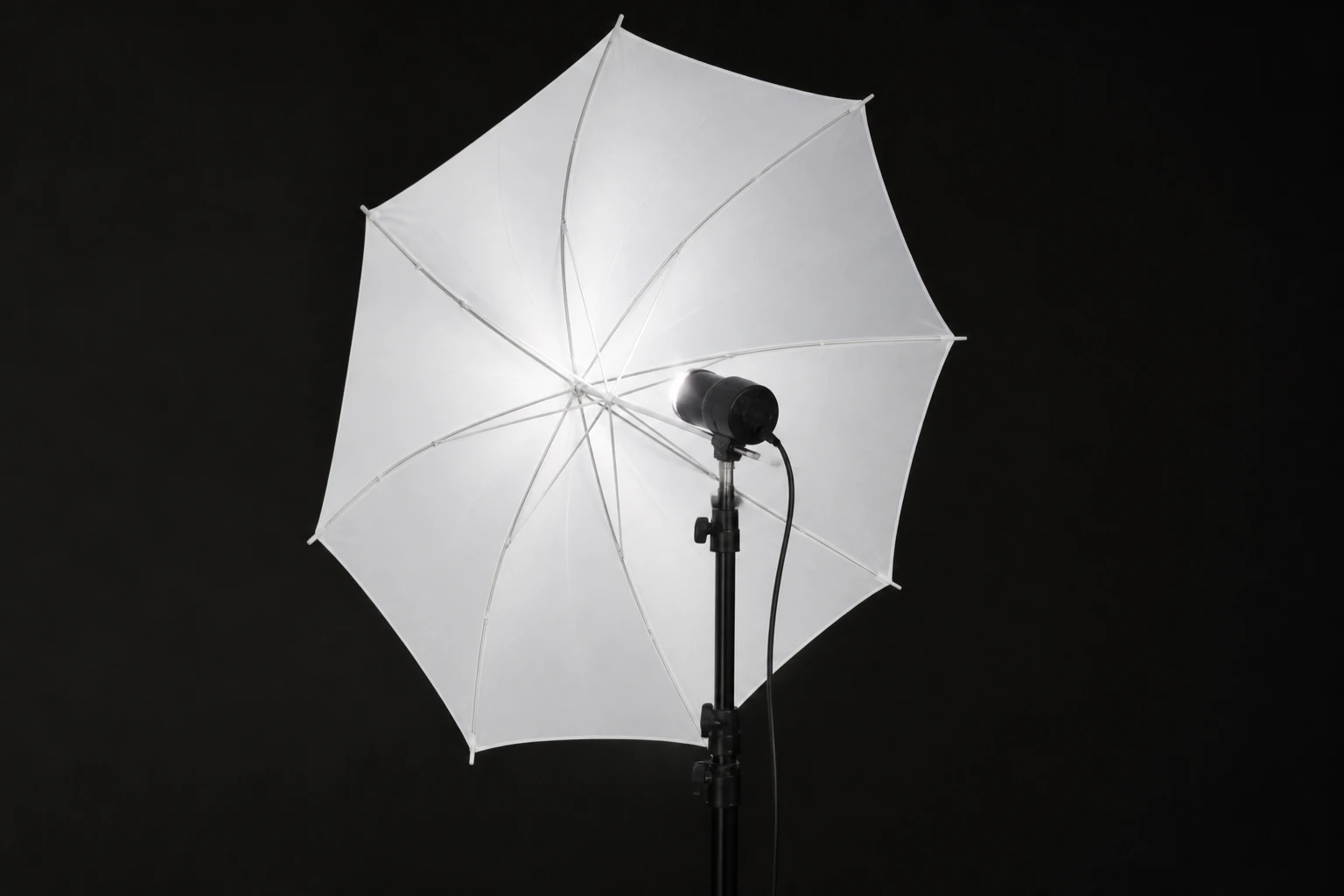
Umbrella lighting uses a collapsible reflector or shoot-through diffusion panel to enlarge a small flash source quickly and affordably. Shoot-through umbrellas place the strobe firing into the fabric toward the subject, spreading soft light forward with wide spill. Reflective umbrellas bounce the strobe into a silver or white curved surface that redirects a broad beam back toward the subject — more efficient and slightly harder than shoot-through, with catchlights showing umbrella shape. For beginners, umbrellas teach inverse square, distance, and contrast before investing in softboxes.
Budget studios, event overflow setups, and education environments favor umbrellas because setup is fast and footprint is small. Reflective silver umbrellas add contrast for fashion sketches and punchy headshots; white shoot-through wraps forgivingly for family and corporate work. Product tabletop versions scale the same physics to small sets — one speedlight into a compact umbrella keys a bottle or jar with soft gradient.
Umbrellas differ from softboxes in spill control and directionality. Light scatters everywhere — ceilings, walls, lens — which fills shadows automatically in small rooms but fights intentional drama outdoors. Softboxes waste less light sideways and take grids; umbrellas trade control for speed and cost. Learning umbrella first builds reflex for how room bounce becomes fill, a lesson that applies to every modifier afterward.
Forty-three inch versus sixty inch umbrella changes wrap on full-length — larger umbrella farther back for groups — small umbrella headshot only — scale modifier to subject height. White interior reflective umbrella versus silver — white softer silver punchier — shoot-through always softest spill widest.
Practice shoot-through then reflective same session — compare catchlight and shadow depth — vocabulary for client " softer / punchier " from same budget kit.
If you cannot predict where spill goes, walk the room with the umbrella on — umbrellas teach environmental fill the hard way.
Placement in practice
Shoot-through: strobe into umbrella fabric, umbrella between strobe and subject, shaft pointing roughly at subject chest. Height above eye line, thirty to forty-five degrees off camera for loop lighting. Distance umbrella-to-subject four to eight feet for headshots — closer wraps more, farther reduces hot spots on forehead.
Reflective silver: strobe aimed into umbrella bowl away from subject; subject sees reflected light from curved surface. Umbrella closer than shoot-through for same softness because light travels twice. Feather by tilting umbrella shaft so edge of reflected cone lights face — center hot spot common if aimed directly at nose.
Avoid umbrella shaft visible in frame — lower stand or crop. For groups, raise umbrella center above front row, tilt down slightly — inverse square causes rear row underexposure if umbrella too close to front subject; move back and increase power. Product tabletop: small umbrella very close, camera on tripod, flag table spill with black card if reflection in glass.
Deep umbrella parabolic variants focus light more than standard umbrella — intermediate step before softbox — still spills more than box. Umbrella shaft length affects stand height — extend shaft for overhead tilt down loop light — collapse shaft for low room ceiling.
Two shoot-through umbrellas crossing — rare — one key one fill — ratio hard to control — reflector fill simpler for beginners.

Distance and power
Shoot-through umbrellas lose roughly one to two stops to transmission and scatter — meter face after placement, do not assume guide number math from bare flash. Reflective umbrellas more efficient; same aperture needs less power than shoot-through at equal distance.
Distance dominates character: umbrella three feet from face wraps nose shadow soft; eight feet tightens shadow and reduces room fill relative to direct path. Beginners often too close — forehead specular and flat wrap — back up until nose shadow readable, then add negative fill if shadow side muddy.
Ceiling bounce hybrid: point reflective umbrella up into white ceiling for extremely soft top light — distance to ceiling plus ceiling to subject defines softness. Power increases; control decreases. Useful event fallback when floor space tight.
Log power distance pairs: "shoot-through six feet half power ISO 100 f/5.6" on card in bag — next rental studio same starting point. Battery strobe umbrella outdoor — sync normal not HSS unless needed — umbrella already inefficient — watch underexposure noon fill.
Feather reflective silver by rotating umbrella on shaft — hot center off nose — same lesson as softbox feather different tool.
When the shadow side matches the key cheek, the umbrella is too close or the room is white — back up or flag before lowering power.
Fill, spill, and control
Umbrellas spill everywhere — primary control is room choice, distance, and flags. Black walls or V-flats on shadow side restore contrast shoot-through wrap removed. Reflective umbrellas spill backward toward walls behind strobe — position strobe side away from white wall behind you or flag bounce back to subject.
Grids exist for some umbrella systems but are rare; softbox upgrade path when spill unacceptable. Doors and black fabric flanking umbrella cone manually narrow field — improvised barn doors. Outdoors, umbrellas catch wind — assistant holds shaft, sandbag stand, or switch to softbox on location.
Second umbrella as fill — shoot-through fill umbrella low power opposite key — possible but hard to ratio; reflector simpler. One umbrella philosophy: master single key, use reflector or negative fill for ratio.
Clamshell with umbrella impossible geometry — umbrella overhead only single layer — clamshell needs dish or box below — do not force umbrella into two-axis beauty without second modifier below.
Wind outdoor: shoot-through catches wind less than reflective sail — assistant holds shaft low center gravity — collapse umbrella between setups — do not leave open in gust.
What to look for
Catchlight shape reveals umbrella type — large diffuse patch shoot-through, tighter silver bowl reflective. Nose shadow should exist unless high-key intent — absent shadow means too frontal or too much bounce fill. Background brightness often rises with umbrella spill — if backdrop should stay gray, move subject forward from paper, flag umbrella rear spill.
Forehead hotspot first warning of too close or centered aim — feather or back up. Shadow-side eye detail — if lost, room fill excessive or need reflector; if flat, negative fill needed. Color cast from umbrella fabric tint — cheap shoot-through sometimes warm; white balance accordingly.
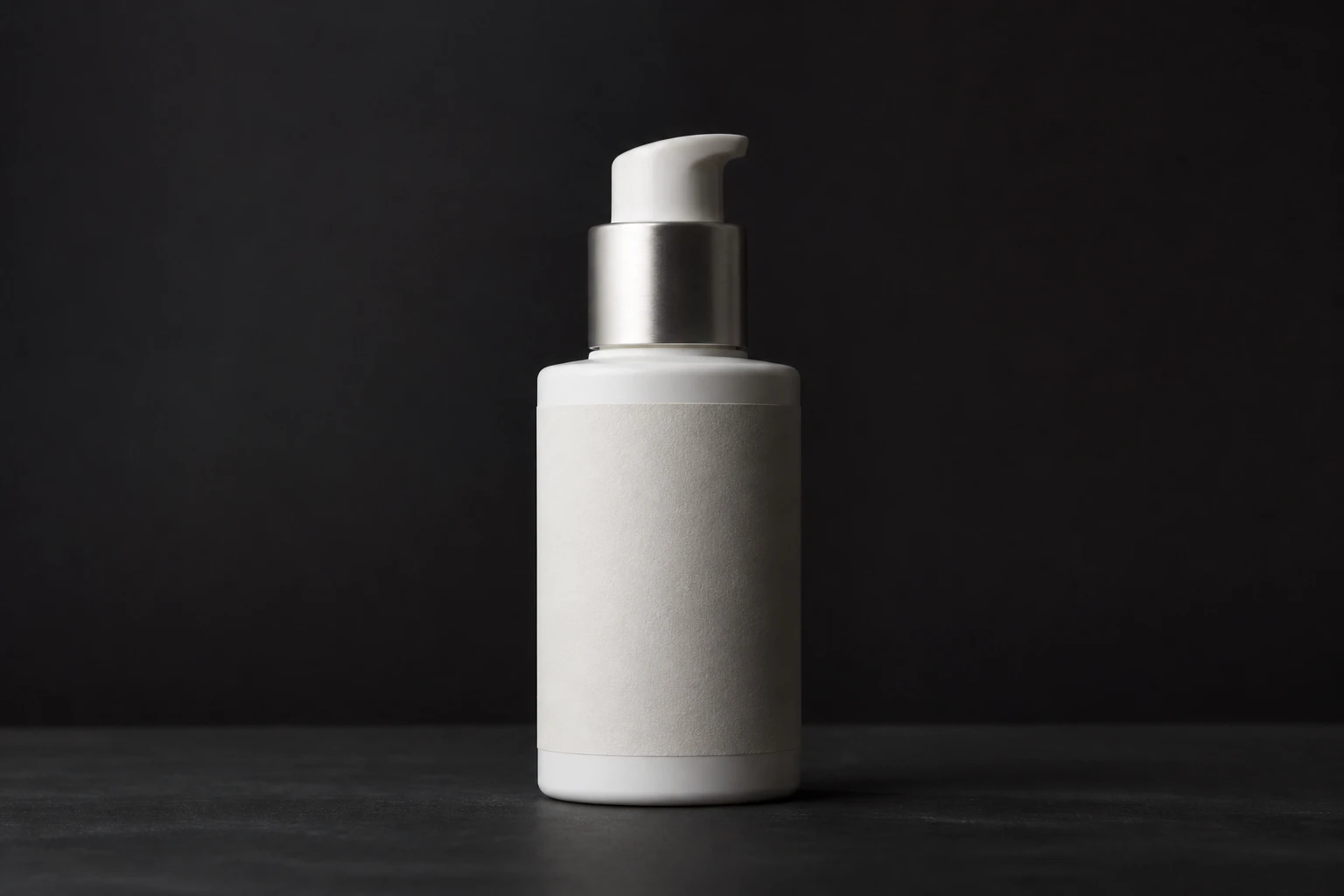
Product: label evenness across width — large umbrella close gives gradient left to right on wide box; second fill card or move product.
Common mistakes
Reflective umbrella aimed at subject without understanding bounce path lights wrong side or blinds subject with reflected strobe glare. Strobe fires away from subject into bowl; subject lit by reflection.
Shoot-through umbrella inches from face with silver reflector opposite creates nearly shadowless mug shot every time — fine for ID photo, wrong for drama. Increase distance or remove reflector until modeling returns.
Outdoor umbrella without wind plan ruins session — umbrella inverts or pulls stand. Use weights, lower size, or retreat to sheltered alcove.
Blaming umbrella for "no control" when no attempt made to flag spill or choose room — umbrellas require environmental awareness. Control room before blaming modifier.
Buying largest umbrella first without room height — sixty inch cannot tilt in eight foot ceiling — measure ceiling before purchase. Silver reflective into colored wall near strobe — colored fill on shadow cheek — flag wall or move strobe side.
Strobe not fully inside reflective umbrella bowl — light escapes sideways — uneven cone — push strobe deep into bowl until even illumination on fabric from behind visible.
Try it yourself
Walk the setup one light at a time, or dial passes live in the relight studio.