Event photographers
Off-camera speedlight basics
Bounce, grid, and ceiling paths — event and location light with one flash.
14 min read
What is off-camera speedlight?
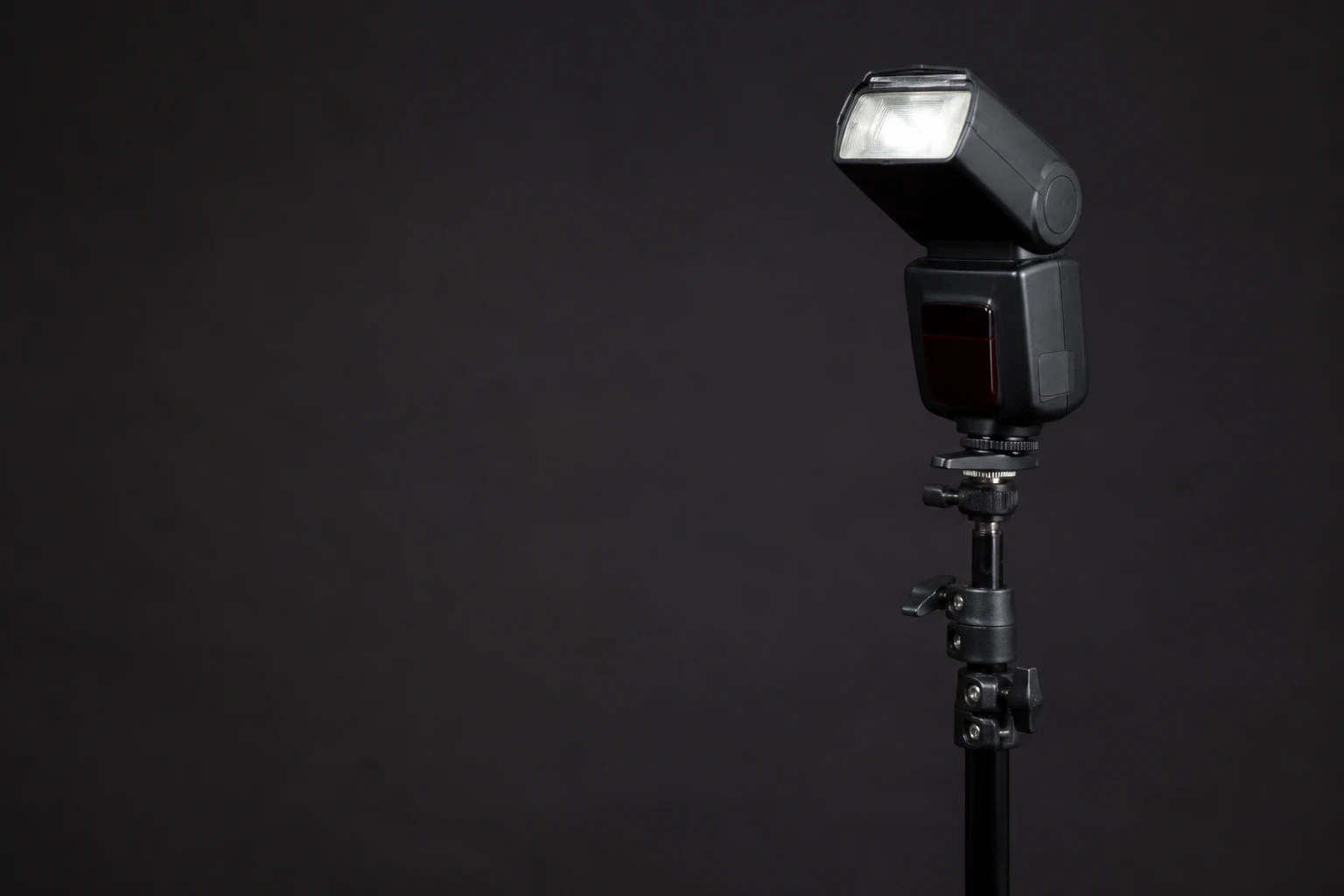
Off-camera speedlight means a portable flash removed from the camera hot shoe, triggered wirelessly or by cable, and aimed at subject or bounce surface to create directional light. Event, wedding, and location photographers use one speedlight off-axis for flattering portraits when ceiling bounce fails — dark venues, colored ceilings, outdoor shade. The speedlight is a small hard source until modified by umbrella, softbox adapter, or bounce card; OCF basics teach triggering, angle, and power in manual before TTL complexity.
Direct off-camera flash forty-five degrees above eye line mimics studio key with harsh shadow edge — usable for fashion punch or fill flash aesthetic. Bounce off-camera — flash aimed at wall or ceiling from stand beside camera — enlarges source softly. Grid or snoot adapters narrow speedlight for rim or background accent. One flash discipline builds reflex for ratio when second flash arrives later.
Speedlight differs from studio strobe in recycle, power, and modifier mount — lower watt-second output, faster setup, less modifier choice. Differs from on-camera bounce because direction changes shadow modeling — off-axis nose shadow returns. High-speed sync extends speedlight to wide aperture daylight — separate guide but shares OCF triggering foundation.
Build a baseline chart for your flash at ISO 400: quarter power at six feet, half power at eight feet, full power at twelve feet bare — write results on tape inside light bag. OCF event work repeats the same geometry in reception line — subject at mark, flash at mark, manual power locked — throughput beats creative variation per guest unless hired for editorial coverage. Radio triggers with groups allow future second flash; learn one channel clean before adding B group fill.
Magnetic modifiers snap on fast — mini softbox for corporate line, grid for dance floor rim when time allows between songs. Battery freshness changes recycle — rotate AAs or use lithium packs before peak reception hour.
Manual power on OCF first — learn what one quarter power at six feet looks like before TTL guesses for you in every room.
Placement in practice
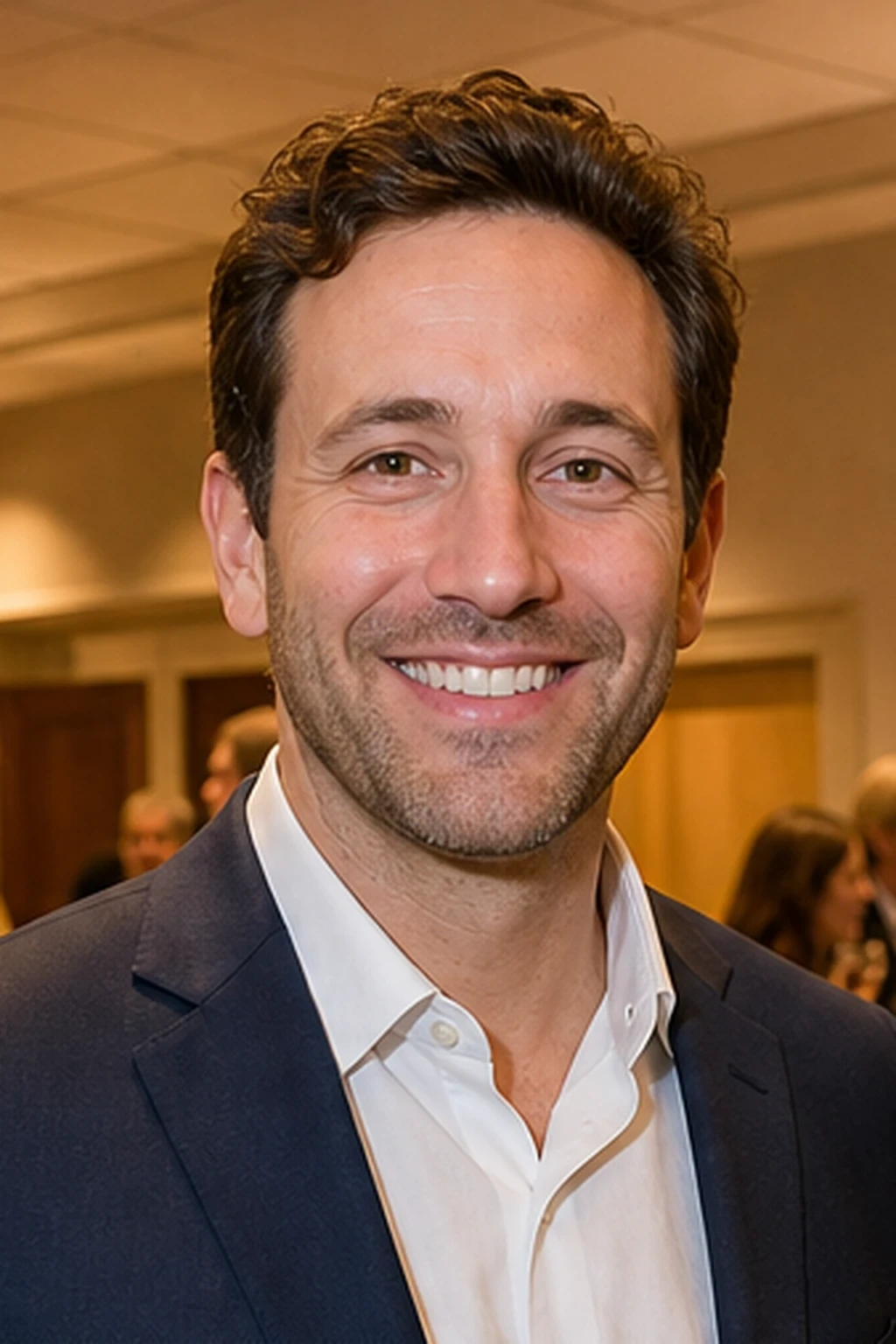
Stand-mounted speedlight camera-left or right, height above head, angled down toward face — start forty-five degrees off camera, six feet distance. Trigger on camera or in hand remote — line-of-sight optical triggers fail behind subject; radio triggers reliable. Umbrella or mini softbox on speedlight for corporate event line — same angle logic, softer shadow.
Bounce: aim flash head at white wall or ceiling corner white — subject between camera and wall, flash on stand hitting wall point that reflects to face. Ceiling bounce height limited by low venues — direct OCF when ceiling too high or brown wood absorbs.
Event reception: speedlight on light stand in corner, subject posed facing flash direction — not run-and-gun unless practiced. Grid speedlight for hair rim behind subject — power low, flag from lens.
Venue scouting: identify one white wall for bounce before guests arrive — pre-set stand height and flash zoom. Dark wood panel reception rooms need direct OCF with softbox adapter, not ceiling bounce — brown ceiling returns warm underexposed fill. Outdoor cocktail hour: open shade plus OCF forty-five degrees — sun is rim, flash is key — white balance to flash or gel flash to shade Kelvin.
Assistant holds reflector when one flash only — free shadow-side lift without second radio channel. Coach subject to face flash direction for three-count — reduces half-lit profiles when guests turn mid-pop.
Distance and power
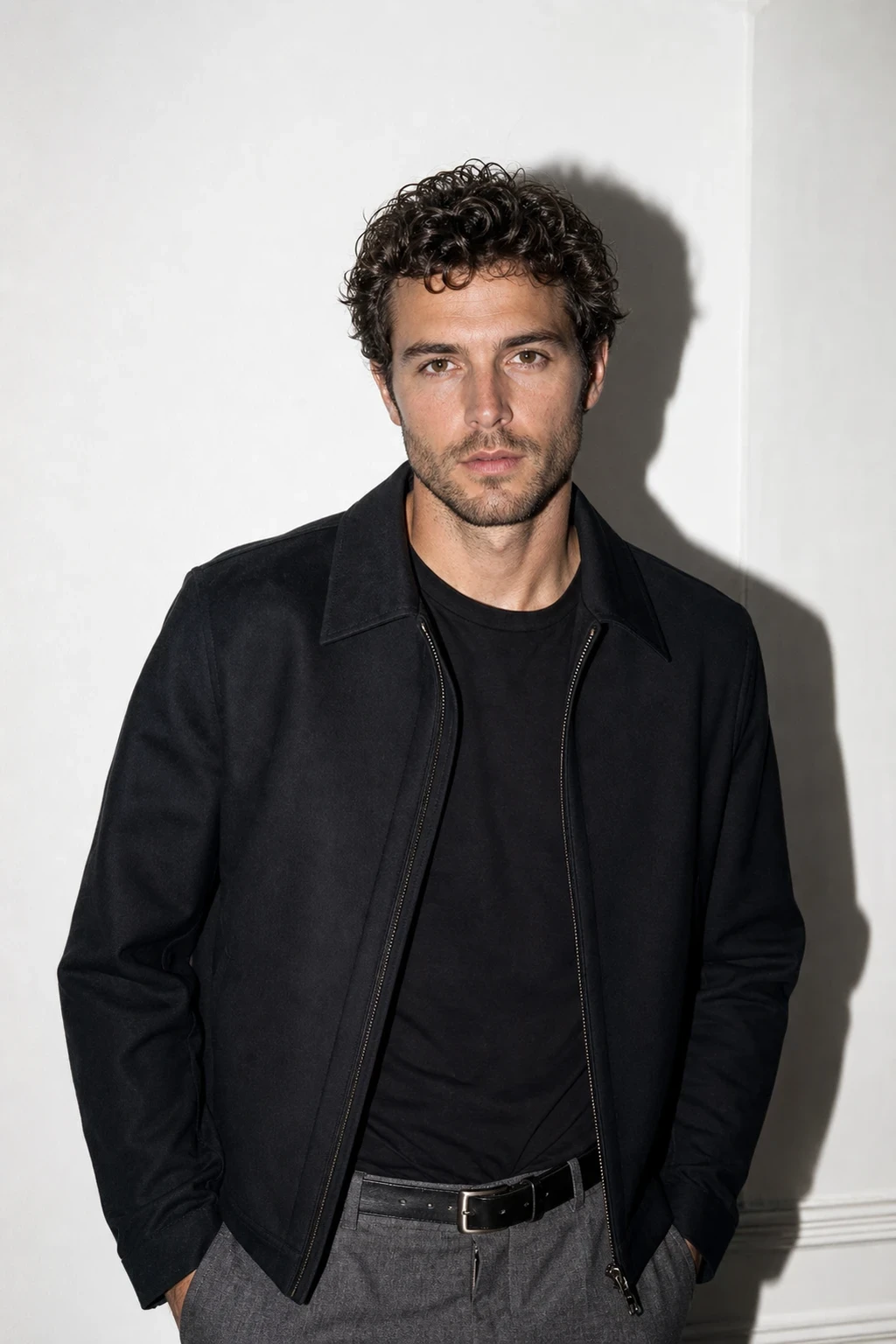
Guide number math approximate — meter face in manual mode starting 1/4 power ISO 400 f/4 baseline, adjust. Inverse square harsh at close range — speedlight five feet from face blows at medium power; twelve feet needs full power bare. Zoom head on speedlight adjusts beam spread — wide for bounce, tele for snoot effect bare.
Bounce path lengthens effective distance — power up two stops typical wall bounce versus direct same angle. Colored wall bounce tints skin — only bounce white or gray walls; silver reflector alternative.
Recycle time limits burst shooting — wait ready light between poses; spare batteries in pocket. Overheating on rapid full-power bursts — pause speedlight cool.
Zoom head 24mm versus 105mm changes bare flash spread dramatically — document zoom setting in baseline chart. High-speed sync outdoor drops power — reception rarely needs HSS unless open shade with wide aperture — normal sync saves battery. Second curtain sync creative for reception dance blur — separate lesson — default first curtain for sharp faces.
Distance six feet f/4 ISO 800 reception dark room common starting point — adjust once per venue after test frame on white shirt.
If bounce flash returns brown on skin, the wall is not neutral — find white ceiling or go direct with softbox adapter.
Fill, spill, and control
On-camera fill optional with off-camera key — reduce on-camera to negative fill or low fill ratio — rare for beginners; one off-camera only cleaner lesson. Room ambient set with shutter — drag shutter for reception ambiance, flash freezes subject — sync speed limits unless HSS.
Grid, snoot, barn door accessories control spill — bare speedlight floods room, alerts guests, lights background clutter. Flag speedlight with black card on stand arm if wall reflection hits lens.
Diffusion dome on speedlight minor softening — not substitute for umbrella — use for bare direct only when fashion hard look wanted.
Drag shutter reception: ambient warm string lights at 1/30, flash at 1/200 freezes subject — test slow shutter without flash first for ambient mood, add flash for face. Flag bare flash with black card on stand arm when subject near white wall — wall lights evenly otherwise. Gels: CTO quarter or half on flash in tungsten rooms when camera daylight — skin neutral, background warm — intentional mixed look.
Spare trigger and spare flash in bag — radio failure mid-event is not recoverable with optical behind crowd.
What to look for
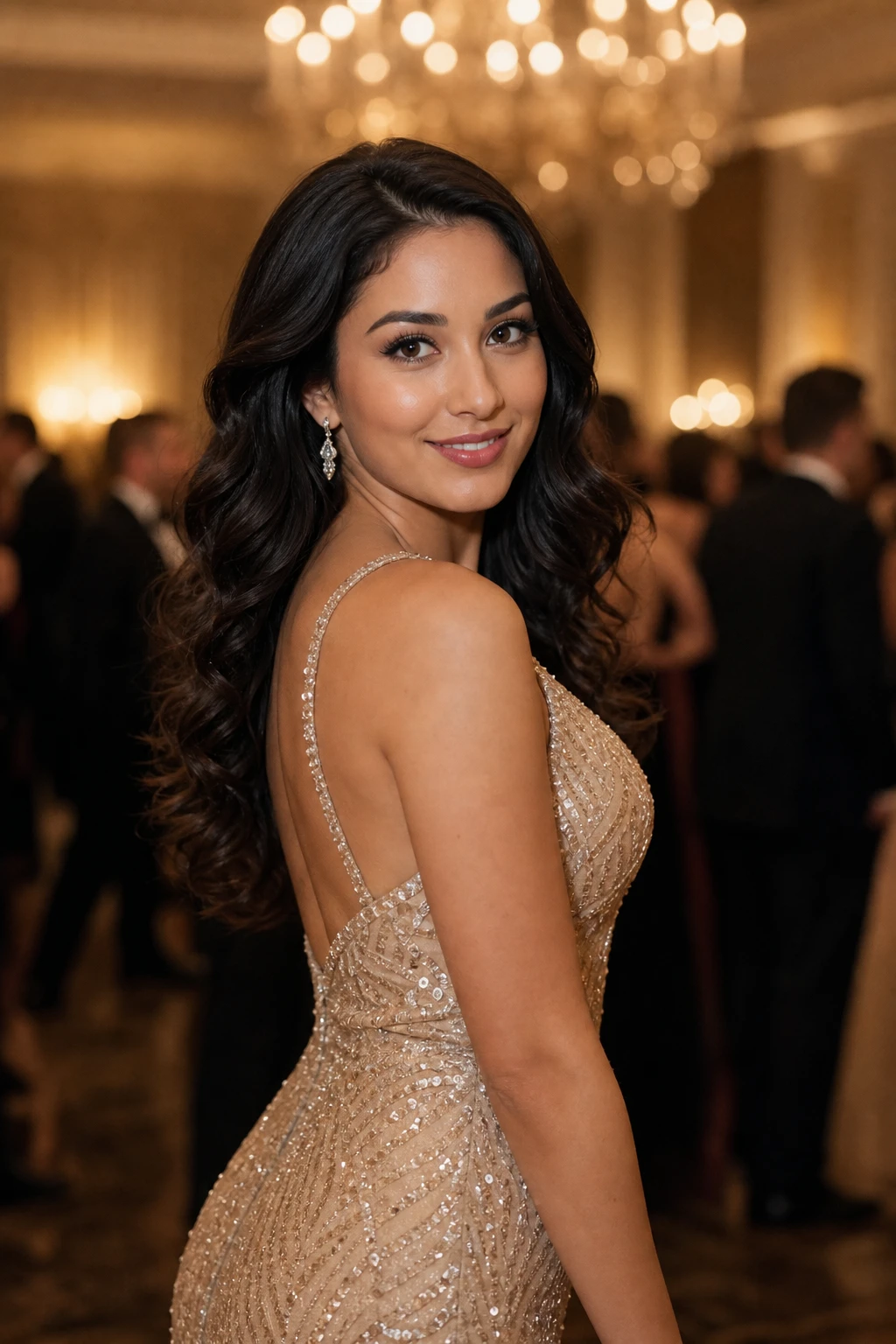
Catchlight off-axis single or double if bounce — eyes bright. Shadow side density — event portraits often slightly underfilled dramatic acceptable — shadow side not pure black unless intentional. Background separation — direct flash may light background same as subject — move subject away from wall or flag.
Color cast from venue — gel speedlight CTO if room heavily tungsten and camera daylight white balance — or set camera Kelvin to room. Green cast from green wall bounce — relocate bounce point.
Red-eye rare off-axis — on-axis bounce only risk — OCF angle fixes red-eye naturally.
Common mistakes
Optical trigger with speedlight behind subject — misfire every other frame — use radio trigger or commander line of sight.
Full power bare flash six feet from guest — washed face, dark background only if ambient killed — reduce power, raise ISO, open aperture for balance.
Bounce into colored ceiling hotel ballroom gold — jaundice skin — direct with modifier or find white surface.
Leaving TTL on without FEC understanding — inconsistent exposure frame to frame — manual mode same power every pose in same spot.
Standing flash on light stand without sandbag in crowded reception — knockover hazard and lost frame — sandbag every stand. Flash pointed into guest eyes pre-focus — rotate away between poses or use modeling low. Forgetting to disable camera pop-up commander when using radio — double fire or misfire — pick one trigger system per segment of event.
Try it yourself
Walk the setup one light at a time, or dial passes live in the relight studio.