Classic
Underlight Low Angle Portrait
Lighting setup
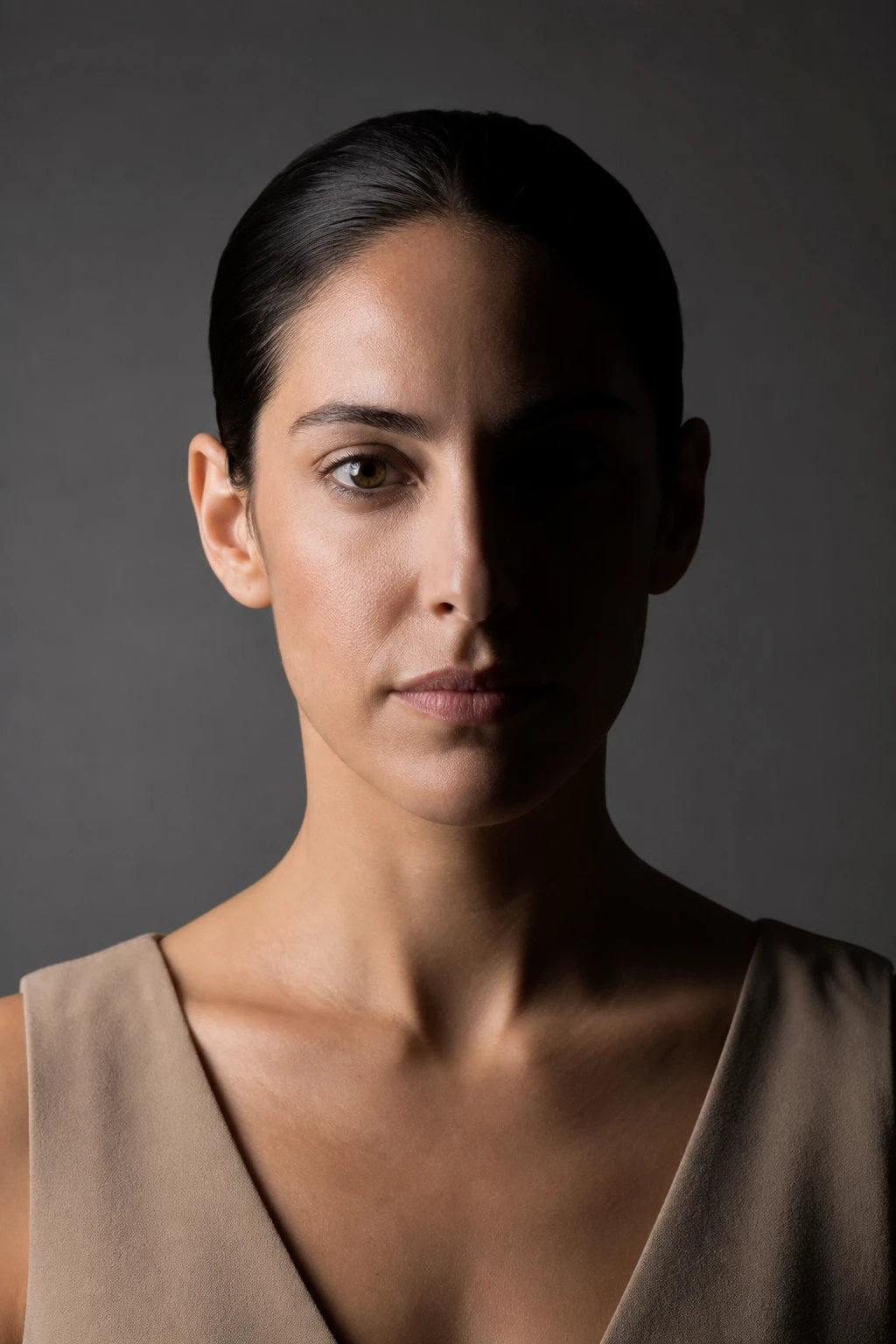
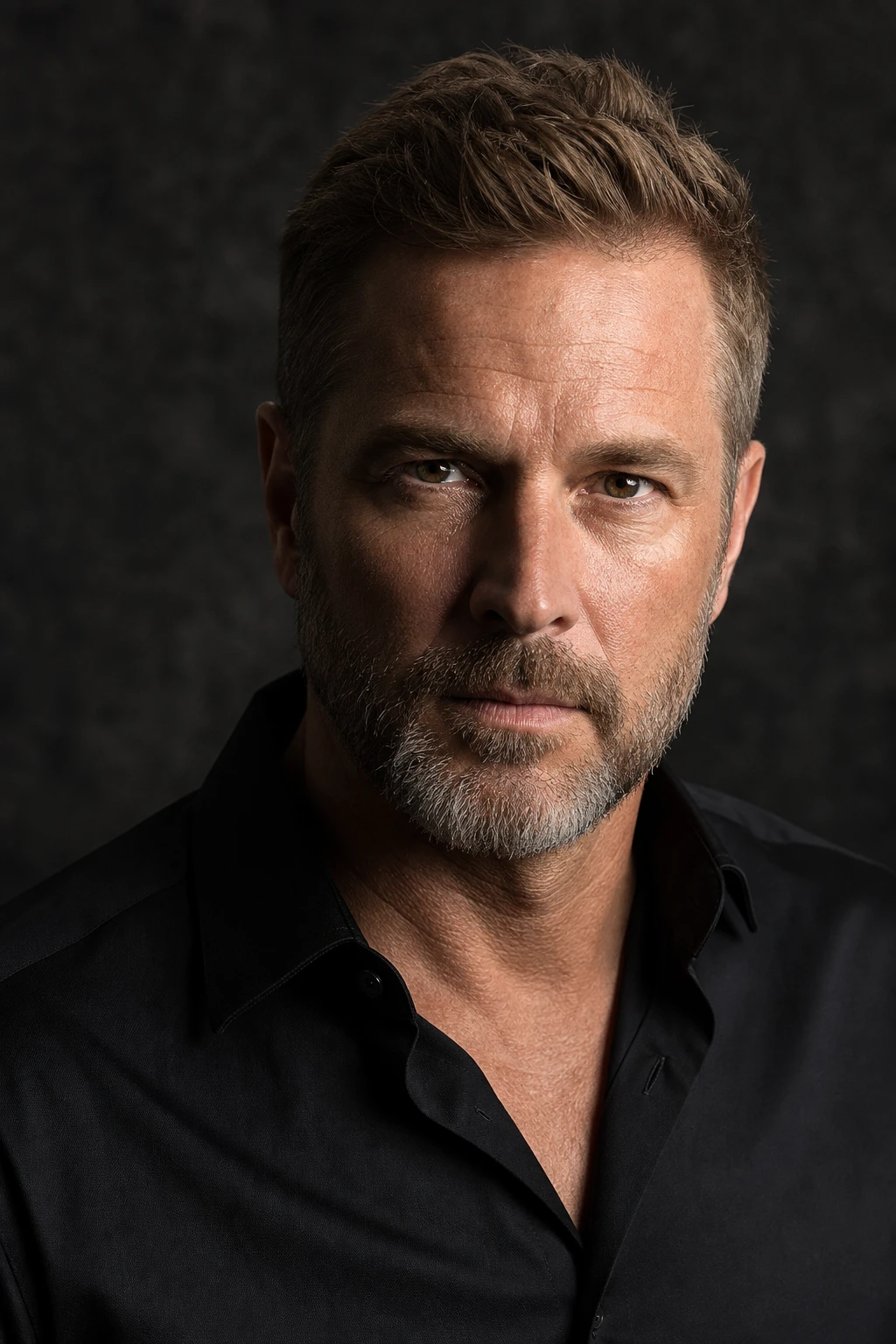
A small softbox below the chin, tilted up, inverts normal portrait shadows — brow and nose cast upward, eye sockets darken, and the neck becomes the brightest plane.
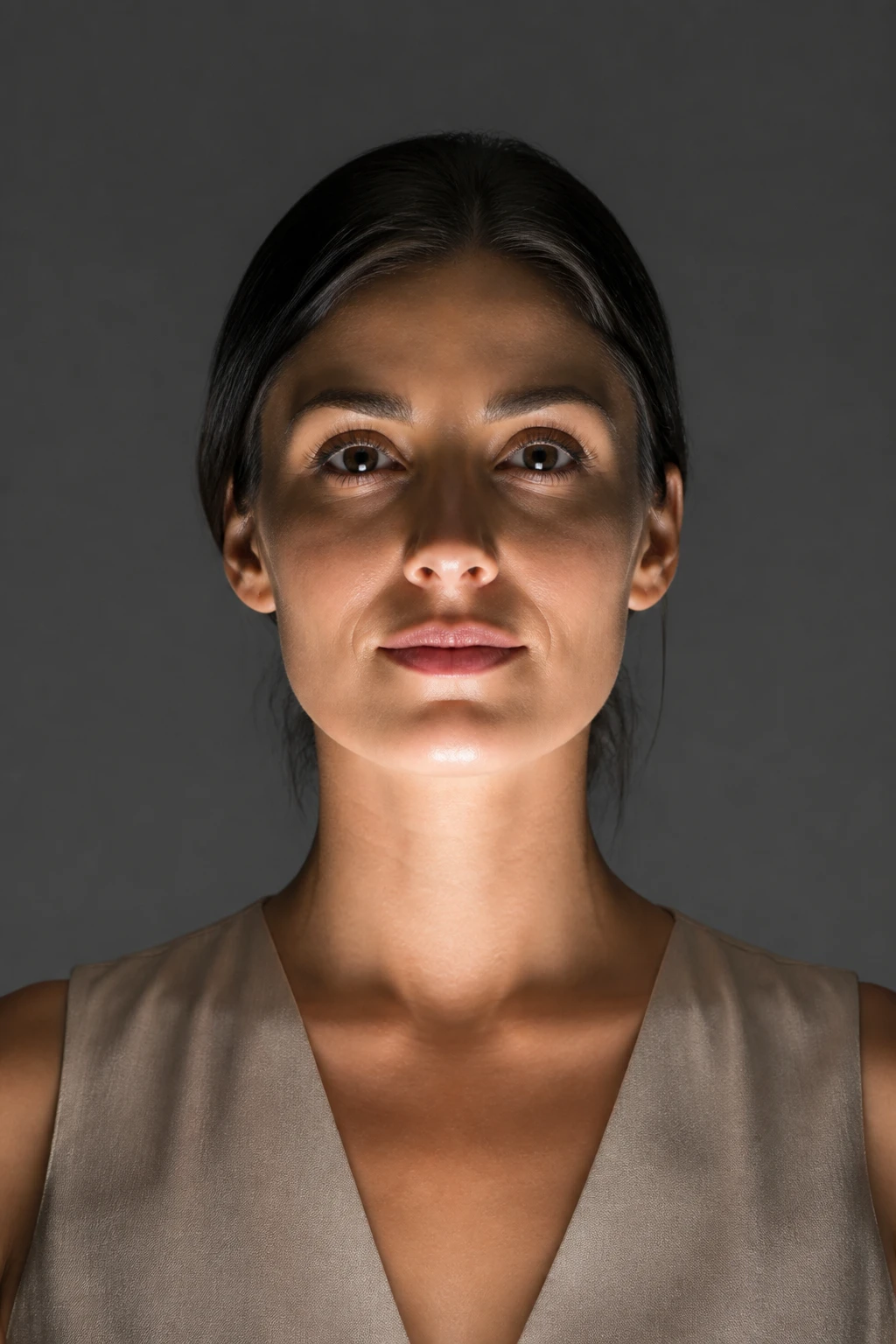
Light from below. Shadows go up.
- Lights
- 1
- Contrast
- 8:1
- Catchlight
- Low catchlights near the bottom of the iris
- Key position
- Small softbox under camera axis, tilted up ~60°, elevation −60°
- Mood
- Dramatic / Cinematic
- Quality
- Hard Light / Soft Light
- Subject
- Female Beauty
- Environment
- Studio / Dark Background
Mood variations
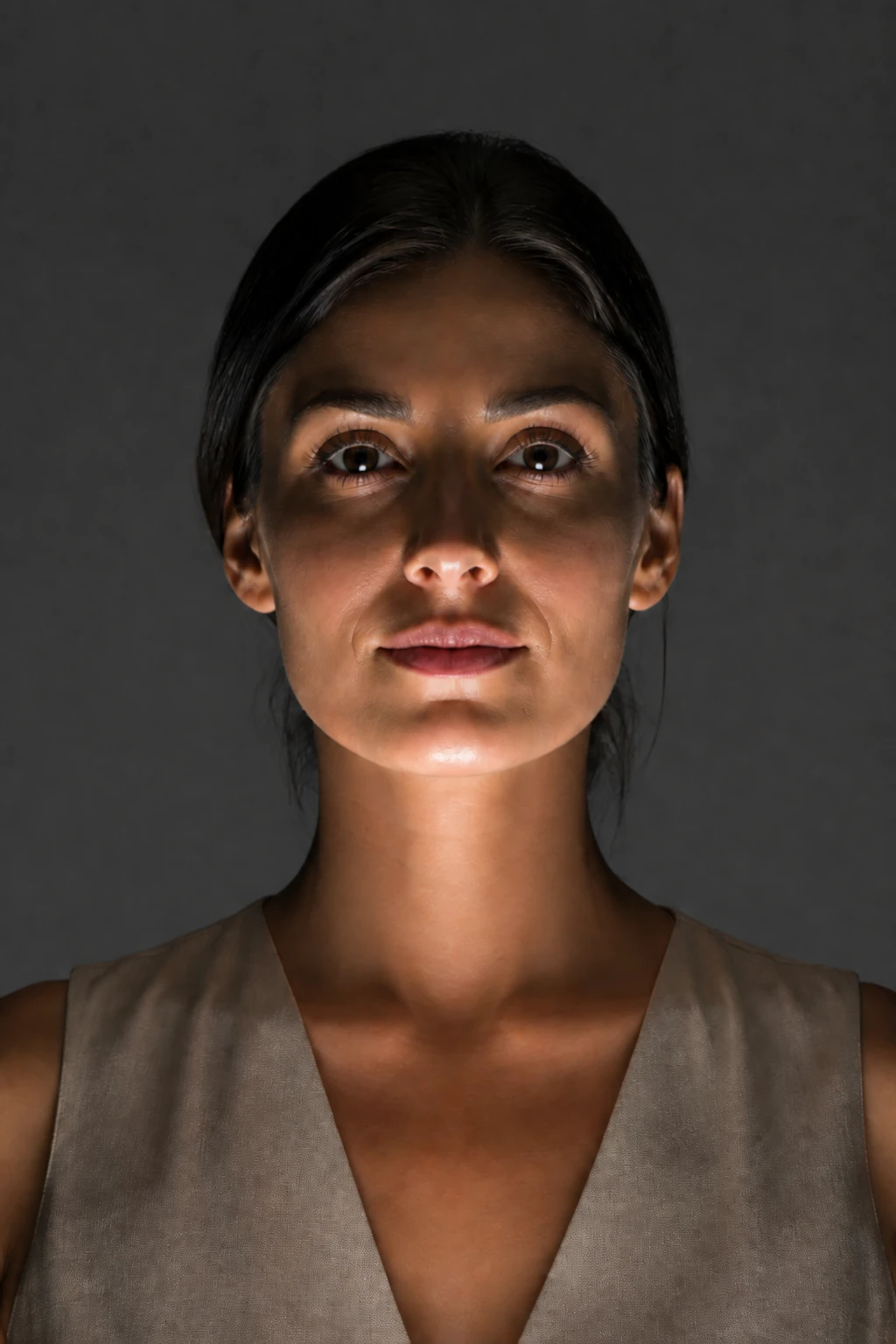
Theatrical Underlight
Smaller harder source further below — upward brow and nose shadows harden into a stark theatrical mask.
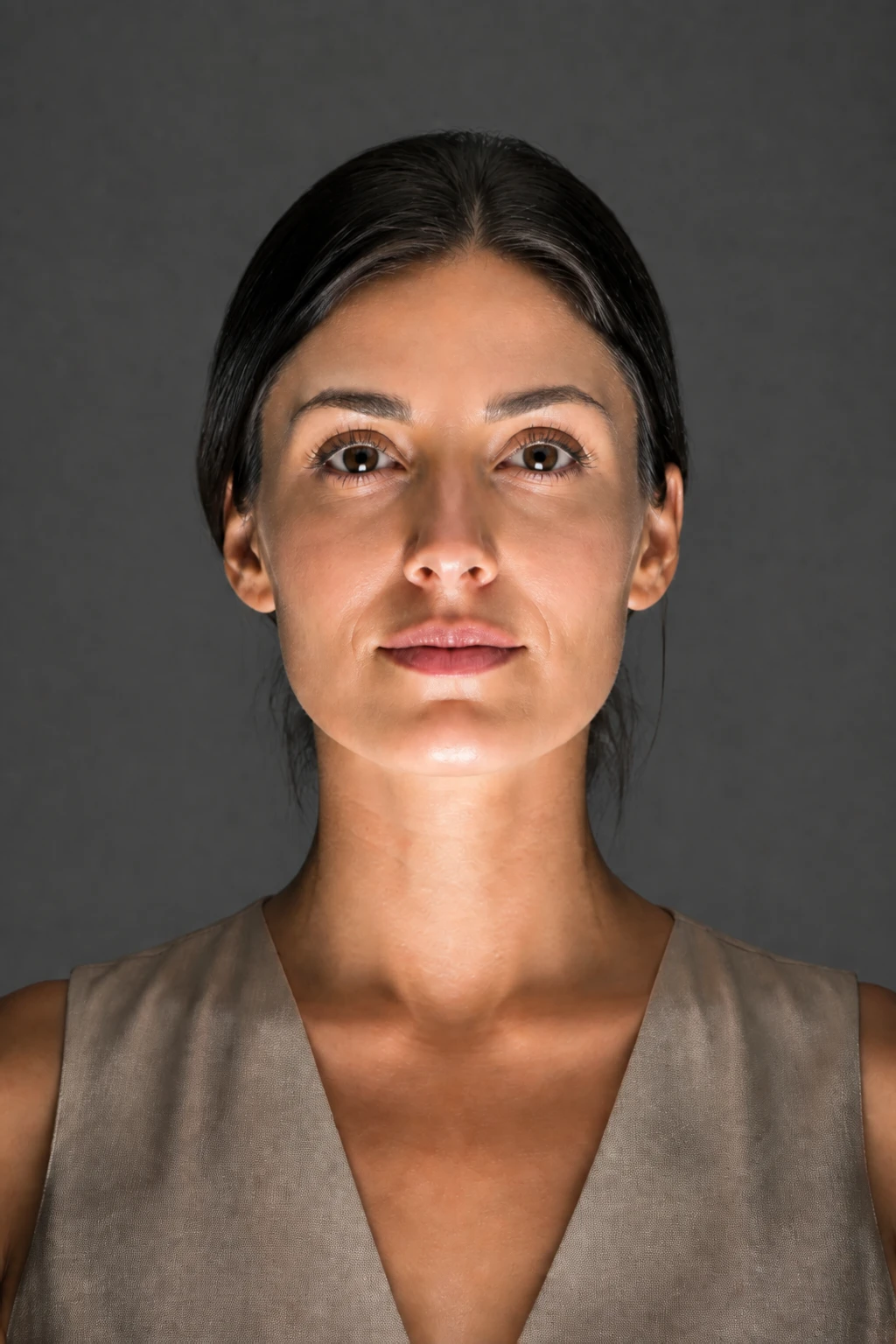
Balanced Underlight
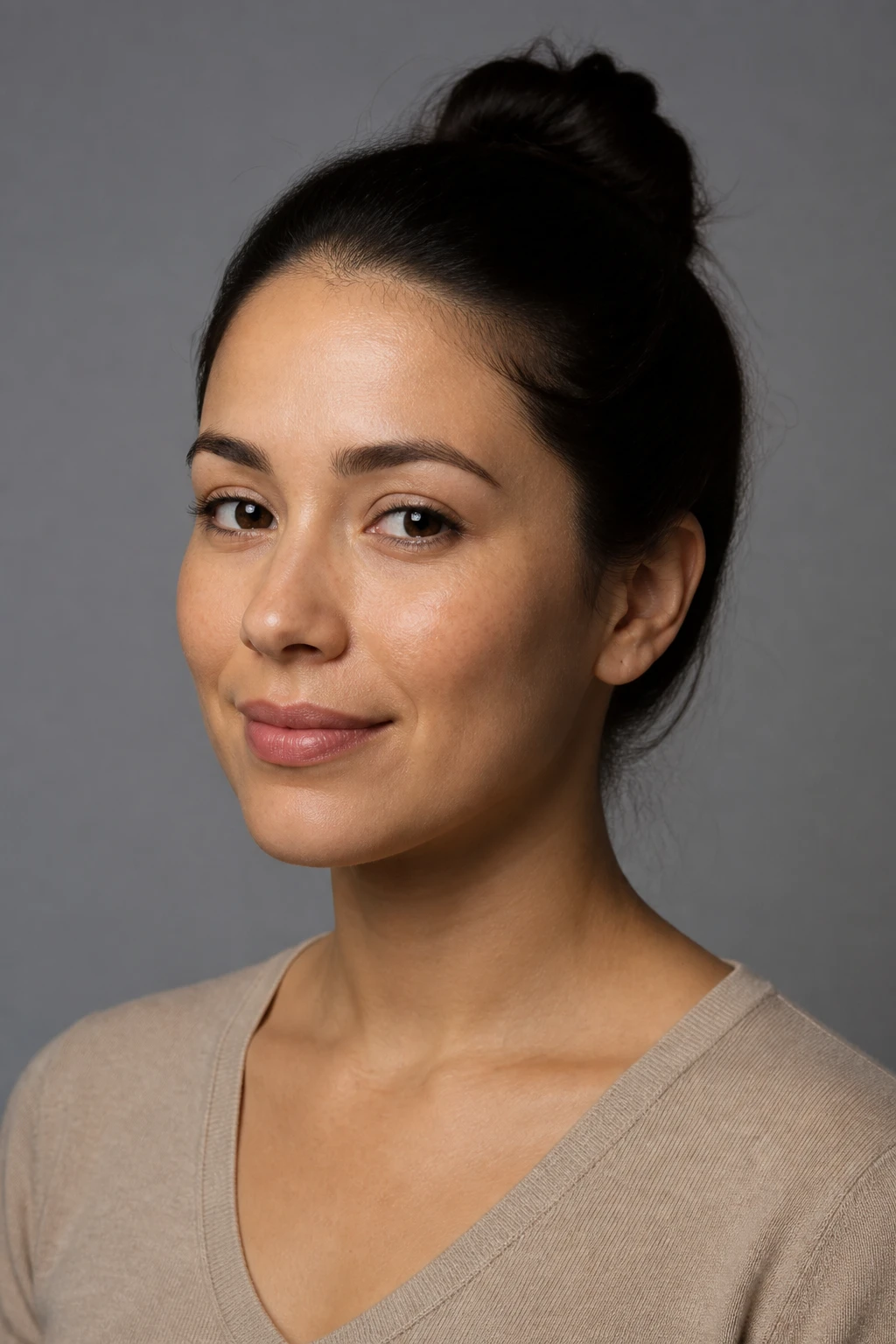
Soft frontal fill just above the lens keeps inverted shadows legible while the face reads natural rather than pure horror.
Final look
Base setup
Almost every portrait key sits above the eye line. Underlight flips that grammar: shadows cast toward the forehead, catchlights sit low in the eyes, and the face reads theatrical or uncanny until a soft frontal fill rebalances it. The library had zero setups teaching this direction.
Camera & framing
ISO
ISO 100
Shutter
1/160 – 1/200s
Aperture
f/5.6
Exposure
Lens
85mm
Camera height
Eye level
Framing
Head-and-shoulders portrait, full face with comfortable headroom
Lens & framing
Key notes
- 1Put the key below the chin on the camera axis — not off to the side, or it becomes a weird loop from below.
- 2Watch for upward brow and nose shadows; if they do not cast up, the light is still too high.
- 3Theatrical tab hardens the source; Balanced tab adds a soft frontal fill so underlight stays an accent.
- 4Keep modifiers off-camera — the lesson is the inverted shadow pattern on the face.
Gear alternatives
Same lighting job — budget, mid, and pro tools. Highlighted cells match what this setup names.
Soft key
softbox
Soft wrap with controllable edges
- Budget
- Shoot-through umbrella
- Mid · this setup
- Rectangular softbox