Beginner
Softbox Distance Comparison Portrait
Lighting setup
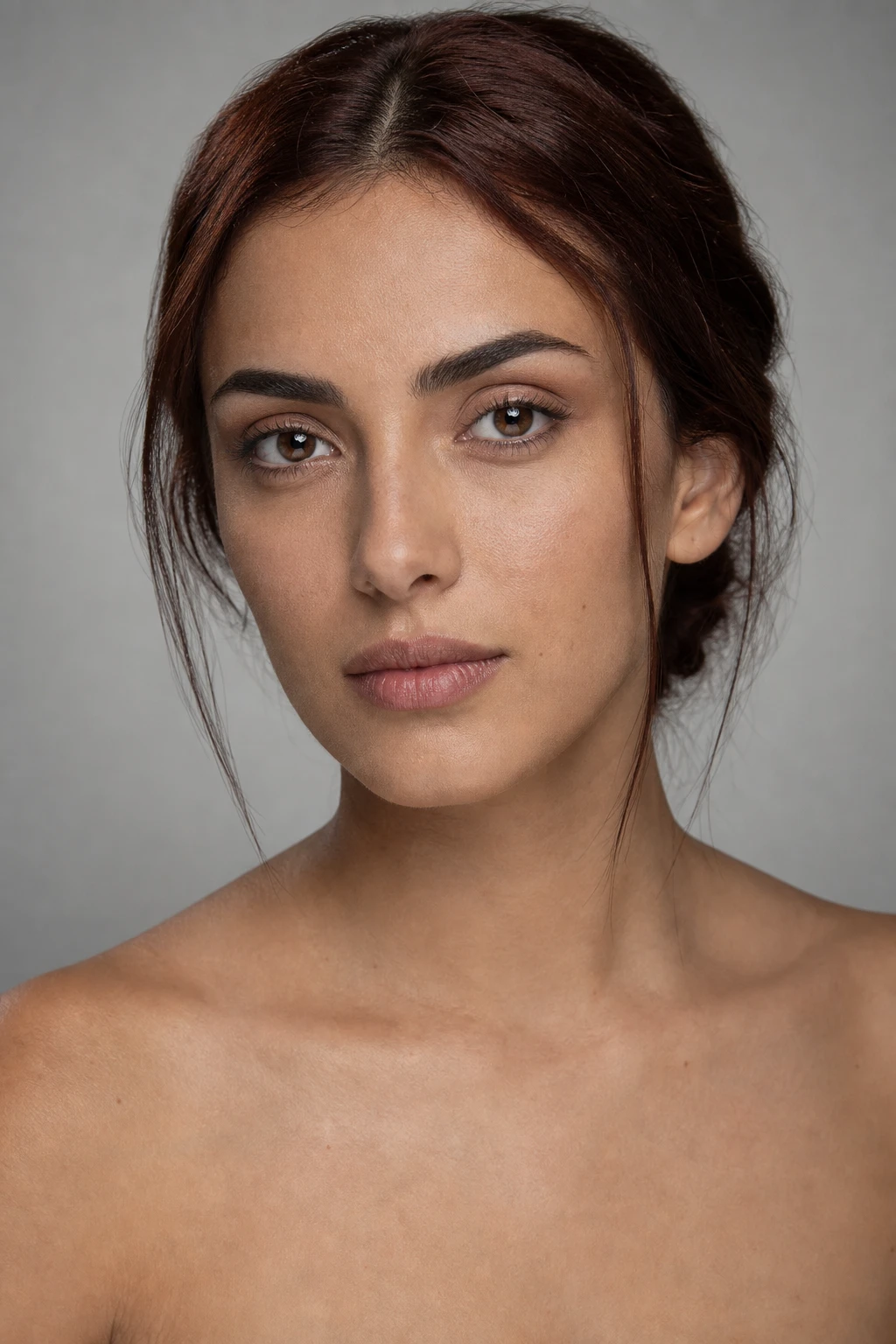
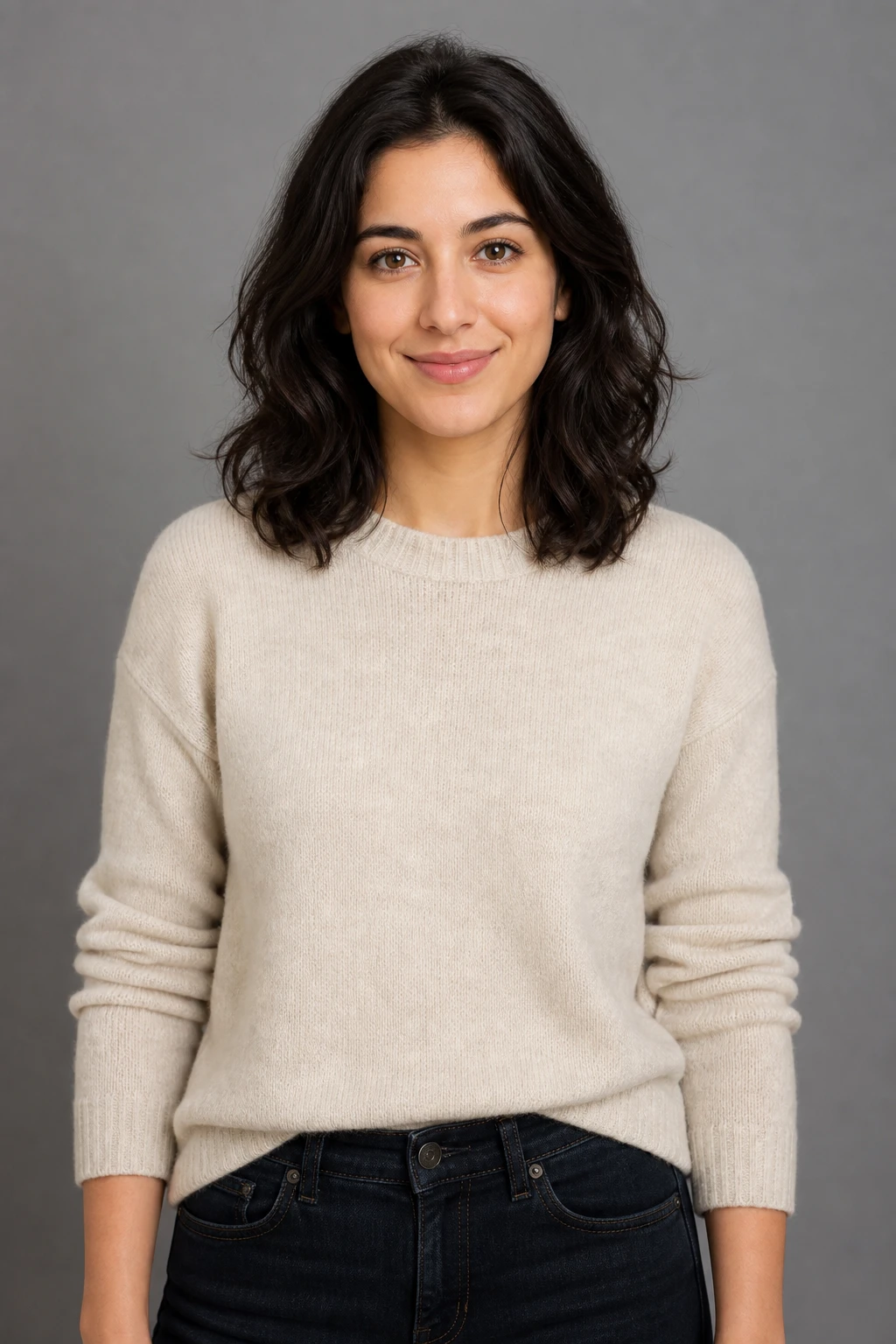
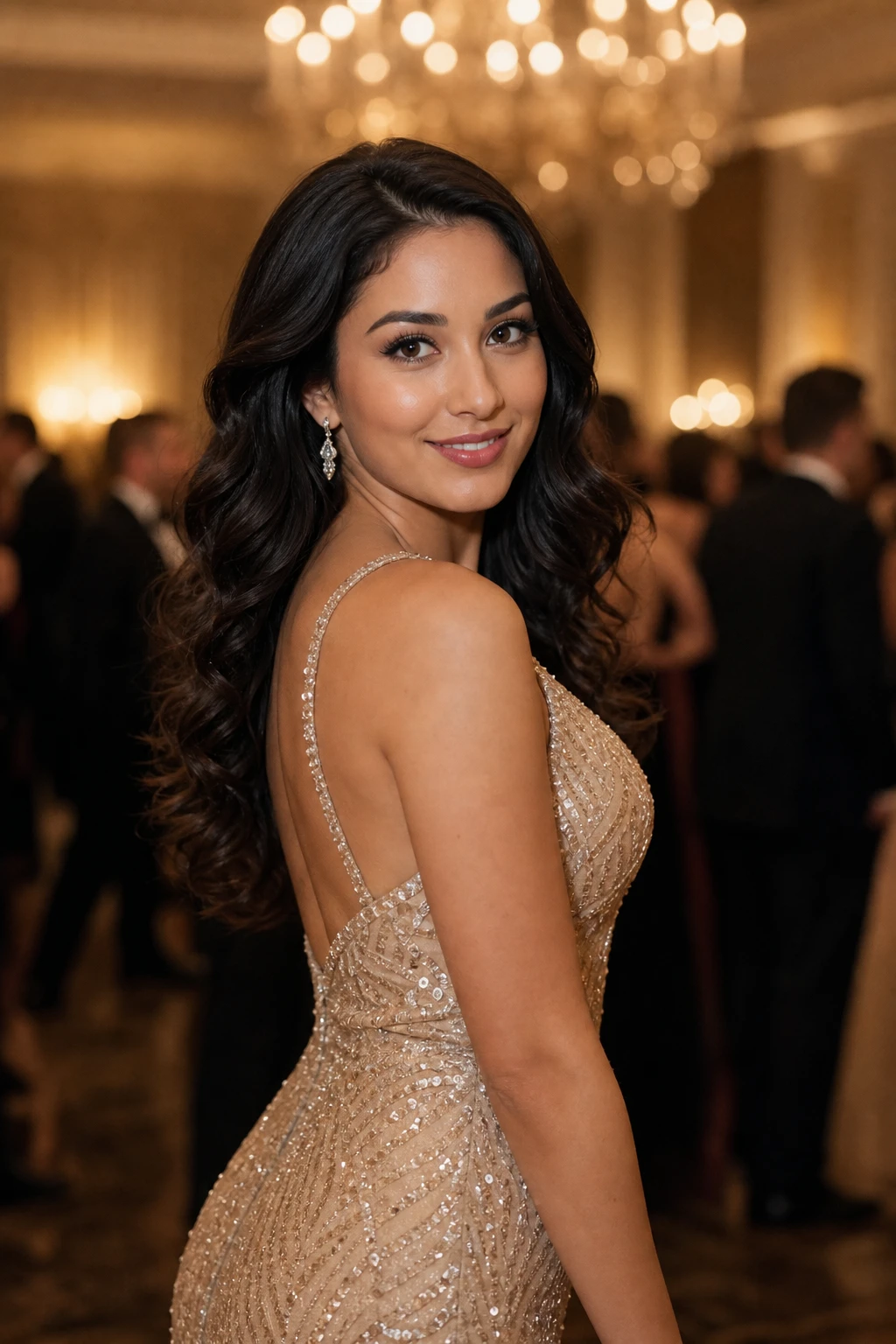
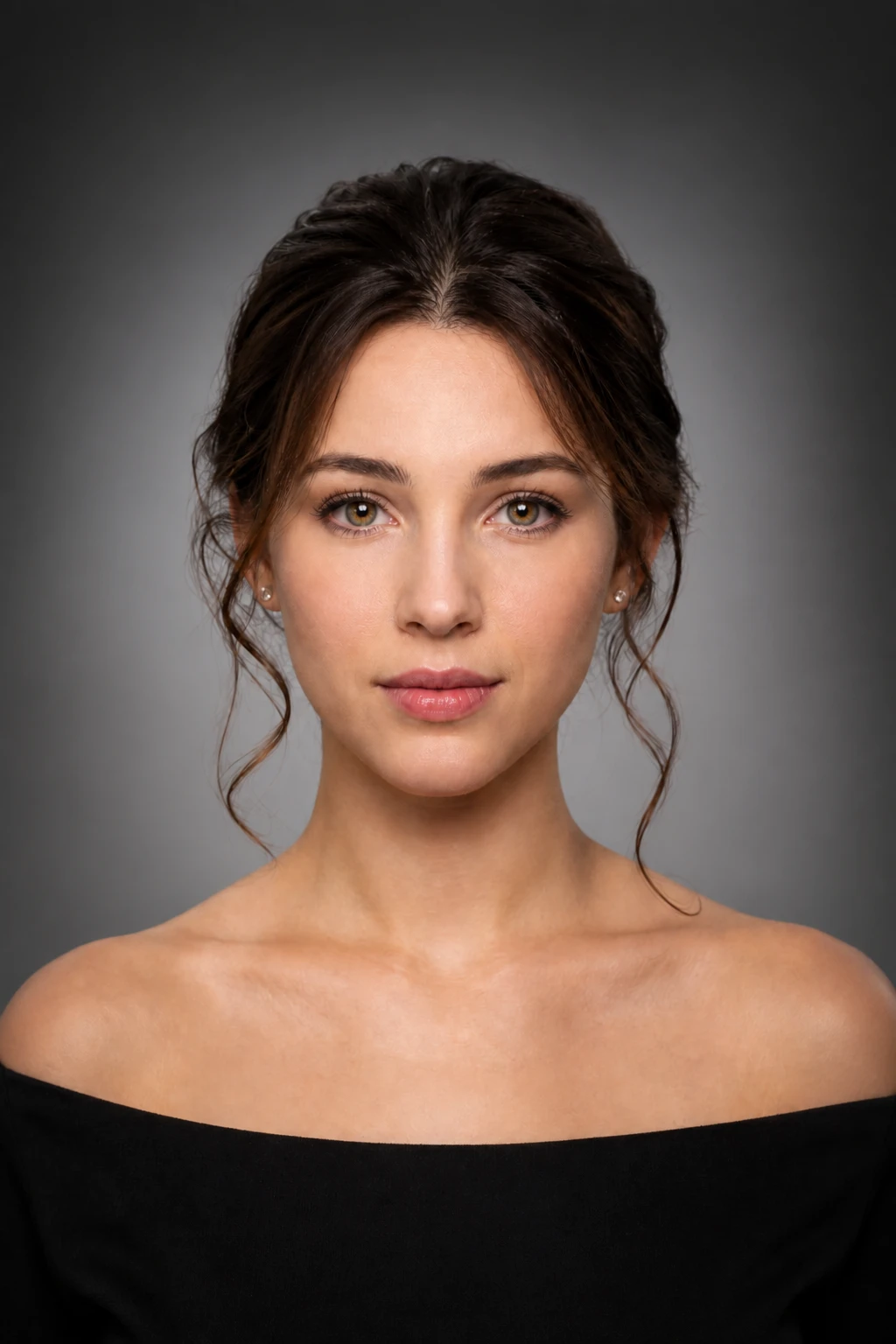
The same medium softbox at close, far, and gridded distances on a plain headshot — teaching how source size and distance change softness, contrast, and background spill.
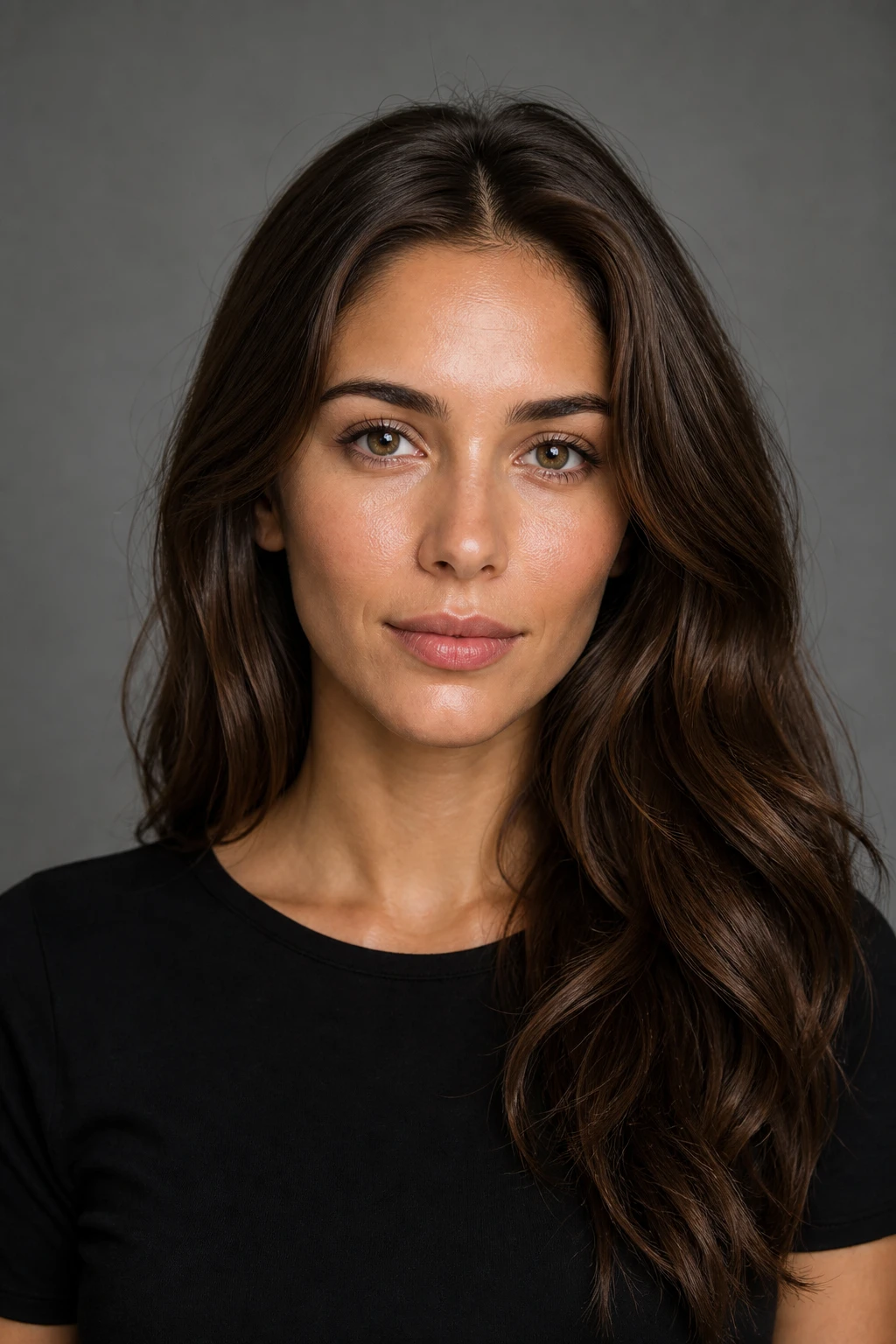
Move the box, not just the power.
Learning path
This setup appears in curated assignments — continue the sequence when you are ready.
- Step 3/8Beginner portrait lighting
Move the one light you have: source size is relative to the subject, so the same box gets softer as it comes closer and falls off faster as it does.
- Step 2/5Strobist Lighting 101
The law everything else obeys: move the box and both the shadow-edge softness and the falloff change together, with nothing else touched.
- Lights
- 1
- Contrast
- 3:1 close / 6:1 far
- Catchlight
- Soft rectangle catchlight scaling with distance
- Key position
- Medium softbox 30–45° camera-left; distance is the variable
- Mood
- Soft / Commercial / Documentary
- Quality
- Soft Light / Gridded
- Subject
- Female Beauty
- Environment
- Studio / White Seamless
Mood variations
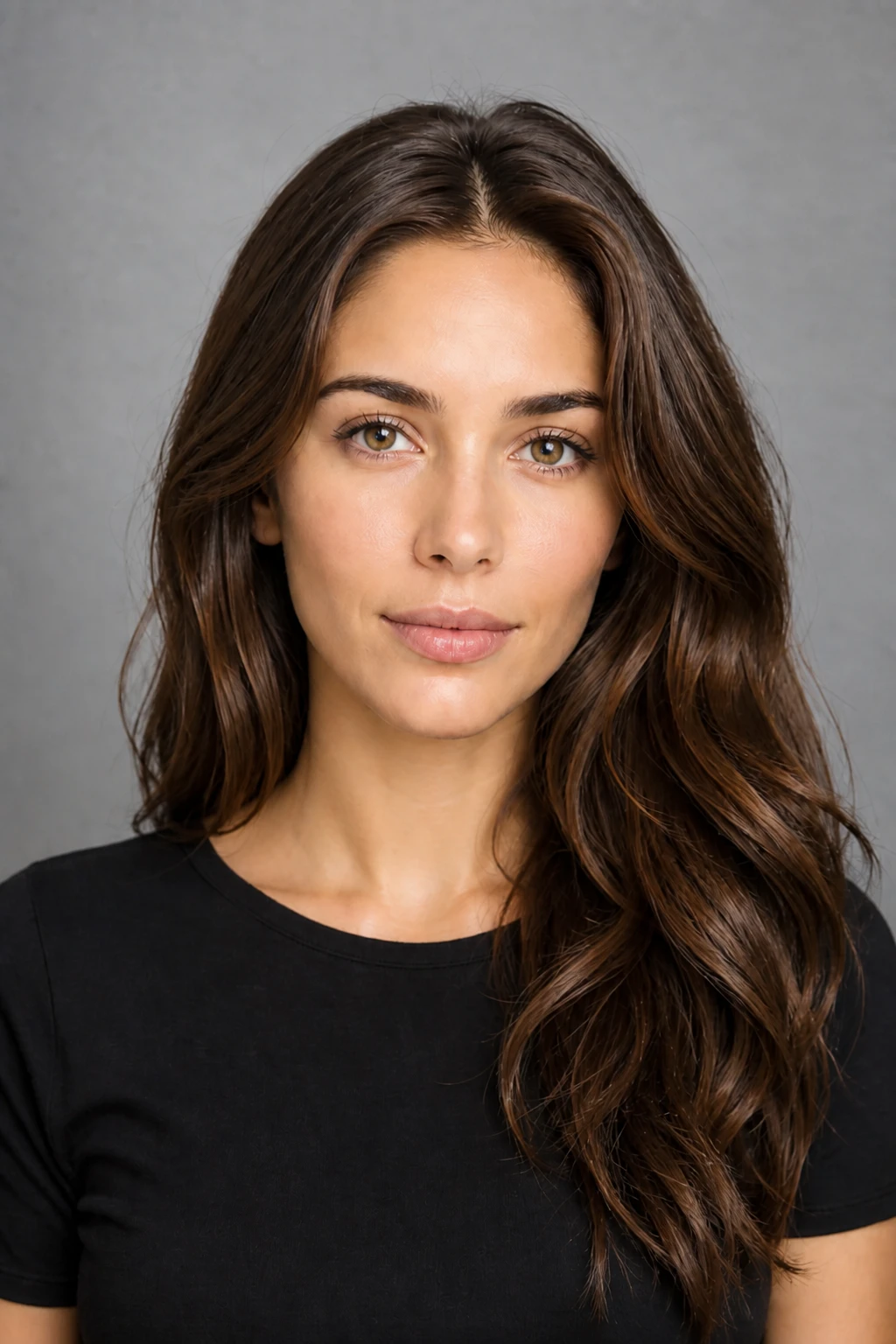
Close Soft Wrap
Move the softbox close for maximum wrap and the smoothest cheek transition.

Farther Harder Shape
Pull the same softbox back for a harder key with more defined jaw and nose shadow.
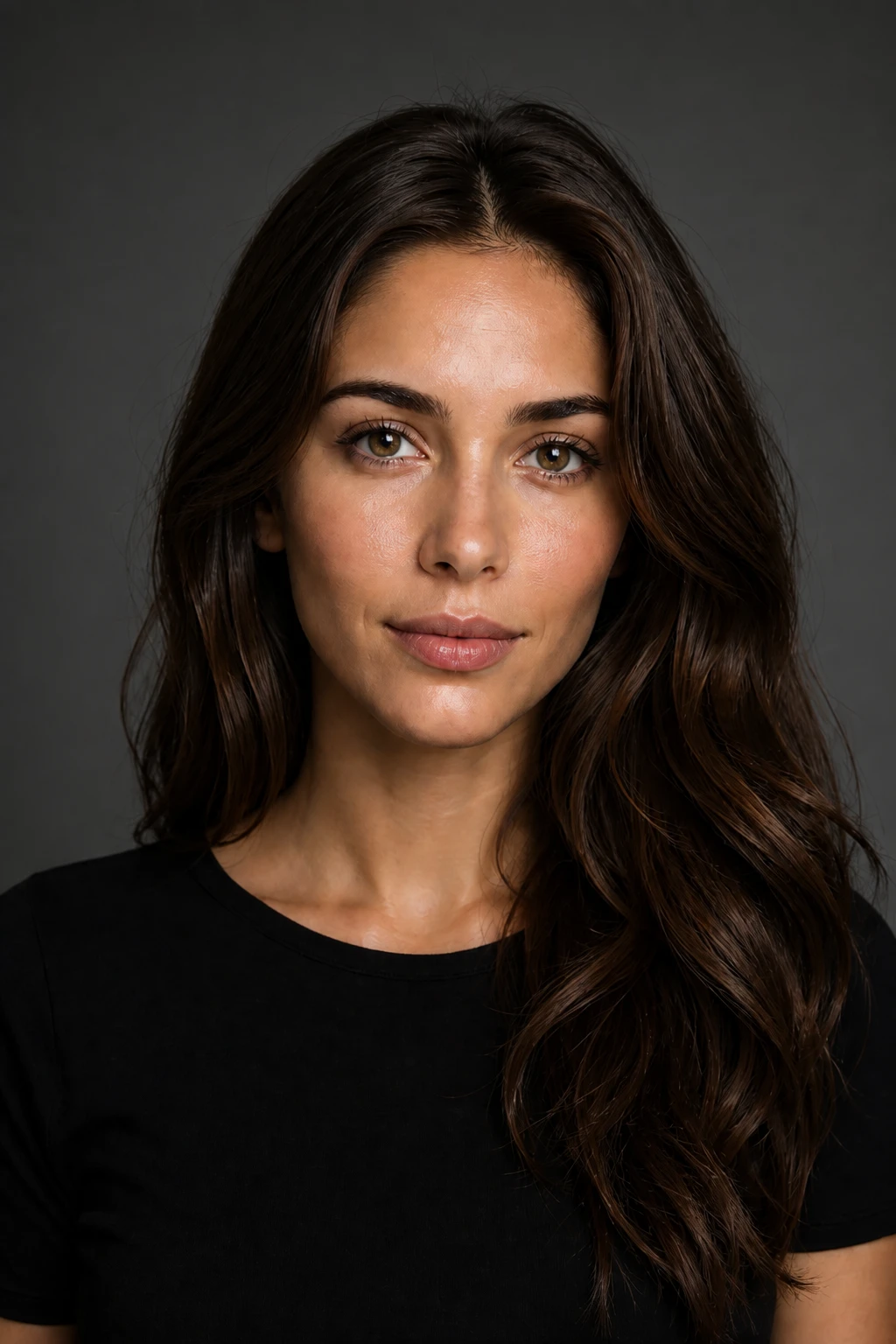
Grid Spill Control
Add a grid on the softbox to keep the background dark while maintaining the farther, more sculpted key.
Final look
Base setup
Softness is relative: a softbox closer to the face enlarges the apparent source and smooths shadow transitions; pulled back it behaves harder with more defined jaw shape and more spill on the background. A grid tightens the beam without changing the modifier size, isolating the lesson from power changes alone.
Camera & framing
ISO
ISO 100
Shutter
1/160 – 1/200s
Aperture
f/5.6 – f/8
Exposure
Lens
85 – 105mm portrait
Camera height
Eye level
Framing
Head and shoulders, full face in frame — chin, forehead, and both ears visible; comfortable headroom; no edge crop
Lens & framing
Key notes
- 1Keep power adjusted so exposure stays matched — the lesson is distance and modifier, not brightness.
- 2Close softbox: smooth cheek transition, wider spill on background.
- 3Far softbox: sharper nose shadow, more defined jaw, background gets brighter spill.
- 4Add the grid on the far position to show spill control without moving the box again.
Gear alternatives
Same lighting job — budget, mid, and pro tools. Highlighted cells match what this setup names.
Soft key
softbox
Soft wrap with controllable edges
- Budget
- Shoot-through umbrella
- Mid · this setup
- Rectangular softbox
Spill control
grid
Narrow the beam without changing source size much
- Mid · this setup
- Honeycomb grid
- Pro · this setup
- Grid + eggcrate / skirt
Negative fill / cutter
flag
Kill spill and deepen shadow side
- Budget · this setup
- Black foamcore / cardboard
- Mid · this setup
- Solid flag on stand
- Pro · this setup
- Flag + C-stand / arm